







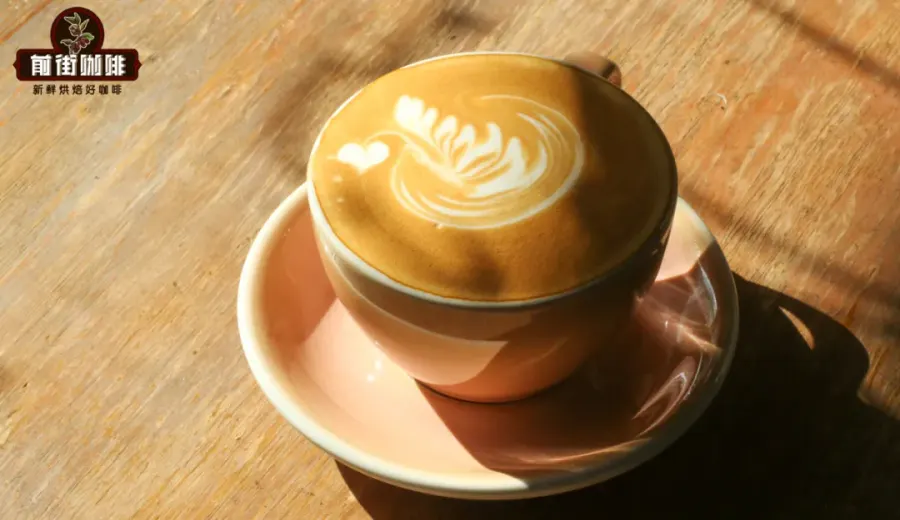
Introduction:Have you ever ordered a matcha latte at a café, only to find that it contains no coffee at all? This phenomenon is actually closely tied to the original meaning of the word "latte." This article starts with the original Italian meaning of "Latte," takes you through how the latte coffee evolved in the United States, and explains why many coffee-free drinks still carry the name "latte" today—so that the next time you look at a menu, you won’t be confused and can choose the flavor you truly want.
Ever ordered a matcha latte at a coffee shop, only to be served a completely coffee-free beverage? Have you ever wondered why something with “latte” in the name contains no coffee? This actually involves the original meaning of the Italian word “Latte,” and how this term has been reinterpreted across global coffee cultures. This article will explore the etymological evolution of “Latte,” revisit the origins of latte coffee in the United States, and analyze why so many coffee-free “lattes” still bear this name—helping you make more informed choices the next time you order.
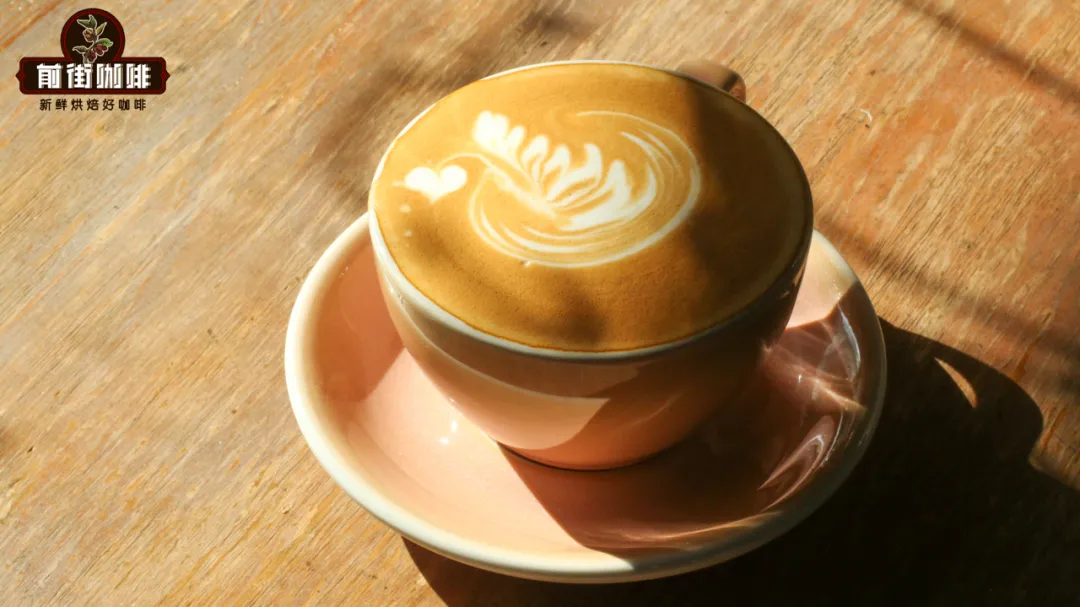
In many coffee shops, drinks like matcha latte, hojicha latte, red velvet latte, or even Ovaltine latte are increasingly common. Though these names include the word “latte,” many versions contain no coffee at all. Such naming conventions often confuse customers and even lead to misunderstandings. The industry is frequently asked: “If it doesn’t contain coffee, why is it still called a latte?” To answer this question, we need to start with the original meaning of “Latte” and understand how this word has transformed from Italian to global coffee culture.
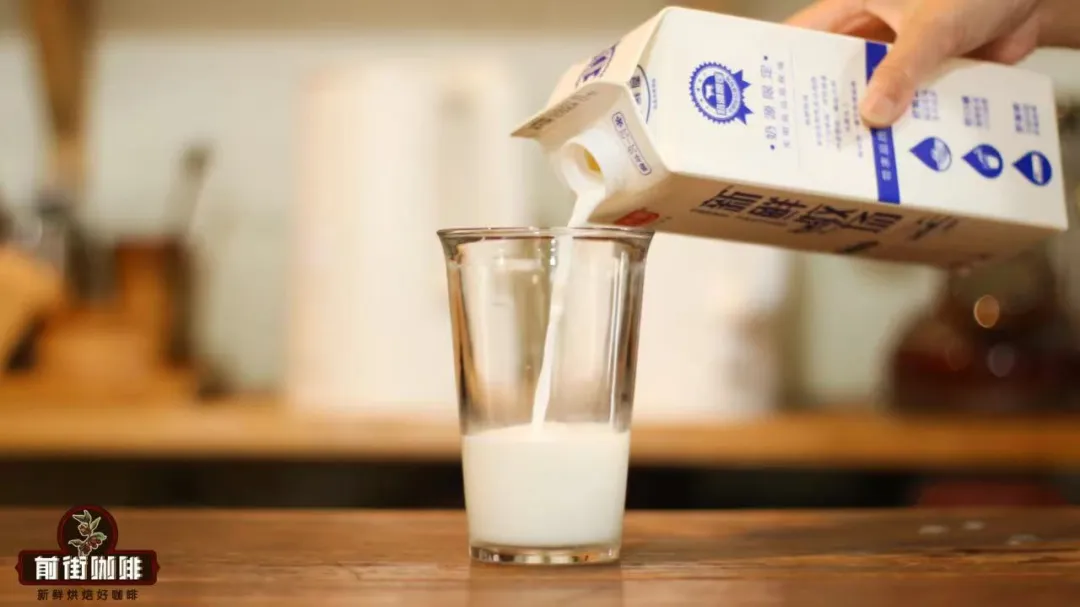
In fact, “latte” is the transliteration of the Italian word “Latte,” which originally simply means “milk.” Only when it’s said as “caffè latte” does it refer to “coffee with milk.” Therefore, if you just order “Latte” at an Italian café, the barista might simply serve you a glass of plain milk. In early versions of drinks like matcha latte or red velvet latte, the “latte” referred precisely to milk—so translated into Chinese, these drinks are essentially matcha milk or red velvet milk. It’s no surprise that they contain no coffee. However, over time, “latte” gradually became commonly understood as shorthand for “latte coffee,” which has led to the naming confusion we see today.
As early as the mid-19th century, the words “Caffè” and “Latte” were gradually included in Italian dictionaries, but they had not yet been combined into the commonly used phrase “Caffè latte.” It wasn’t until 1867 that American writer William Dean Howells, in his book “Italian Journeys,” first described a drink combining milk and coffee as “Caffe e latte.” However, at that time, the espresso machine had not yet become widespread, and such drinks were typically made by adding milk to pre-brewed espresso, and were not widely known. It was only after the invention of the espresso machine that these milk-based coffee drinks gradually became more accessible to the public, laying the foundation for what we now know as latte coffee.
By the 1950s and 1960s, a wave of Italian immigrants brought espresso machines to the United States and opened coffee shops locally. However, Americans at the time were not accustomed to the strong concentration of coffee produced by espresso machines, so cafés began to make localized adjustments. It is said that the first shop to offer a variant of cappuccino with a large amount of milk was the Caffe Mediterraneum in California. This new drink increased the proportion of milk to balance the bitterness of the coffee with a sweeter, creamier taste, greatly improving its acceptance. To distinguish it from traditional cappuccino, the café named it “Caffè e latte”—which later became the familiar “latte coffee.”
As this milk-forward coffee drink gained popularity, it gradually spread from California across the United States and, with the promotion of chain coffee brands and the rise of latte art, made its way around the world. In everyday usage, “Caffè latte” was also gradually shortened to “Latte.” Since the 1980s, many non-Italian consumers have come to routinely associate “Latte” directly with “latte coffee”—that is, a coffee drink with a high proportion of milk. Even in Italy itself, with the increase in tourism, when someone orders a “Latte,” baristas are more likely to serve a milk coffee rather than just plain milk.
So, if “latte” can easily mislead people into thinking it contains coffee, why do many coffee-free drinks still use this name? There are two main reasons. First, these drinks are very similar in form to latte coffee. Whether it’s a matcha latte, hojicha latte, or red velvet latte, they are all prepared using large amounts of steamed milk and often decorated with milk foam (common in hot drinks). Their overall presentation is nearly identical to that of a latte. Therefore, using the term “latte” intuitively conveys the texture and appearance of these beverages, helping consumers better understand what they’re getting.
Secondly, many cafés believe that using the professional term “latte,” which originates from the coffee field, helps maintain an association between these coffee-free products and coffee culture, enhancing the overall cohesion and professionalism of the menu. As a result, instead of labeling them as “milk drinks,” shops prefer to call them “lattes.” However, these coffee-free lattes are usually categorized under sections like “Non-Coffee” or “Plant-Based Milk Drinks” on the menu. By paying attention to the categories or simply asking the staff, you can easily avoid any misunderstanding.
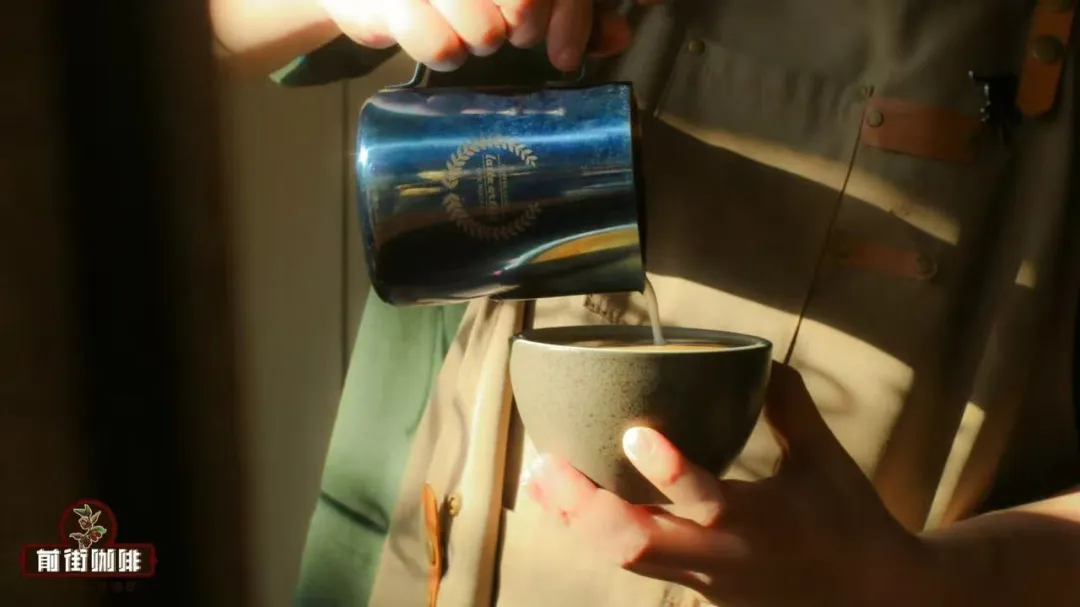
In summary, the reason a matcha latte contains no coffee is that the “latte” in its name originates from the original Italian meaning of “Latte”—milk. As coffee culture evolved, the term “latte” gradually came to be understood as “milk coffee,” which also explains why many coffee-free drinks still carry this name today. Understanding this history and etymology can give you more confidence when facing an array of coffee menu options, allowing you to choose the flavor you truly wish to try.
The above content is compiled by CoffeeHunters, a coffee news website.


