







Introduction:Have you ever wondered whether the temperature of the cup used for pour over coffee affects its aroma and overall flavor profile? To explore this question, we conducted an experiment using Kenyan Assarica beans as the base. By comparing three conditions—high-temperature preheated cups, room-temperature cups, and frozen low-temperature cups—we maintained consistent brewing parameters for a rigorous comparison. The results showed that while cup temperature does not significantly alter the total amount of aroma, it notably impacts the drinking temperature and flavor perception, thereby changing the overall tasting experience. Below is a detailed breakdown of the experiment and practical recommendations.
The aroma of coffee primarily consists of volatile compounds, the release rate of which is closely related to ambient temperature. Higher temperatures accelerate the dissipation of aroma, whereas lower temperatures help slow down its evaporation. For this reason, many coffee enthusiasts have begun to consider whether controlling cup temperature can “lock in” the coffee’s aroma, ensuring each sip is richly layered.
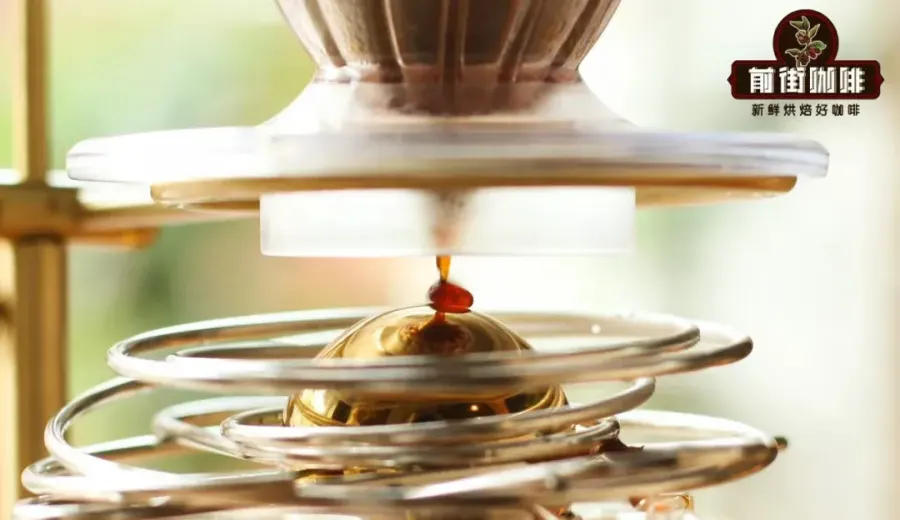
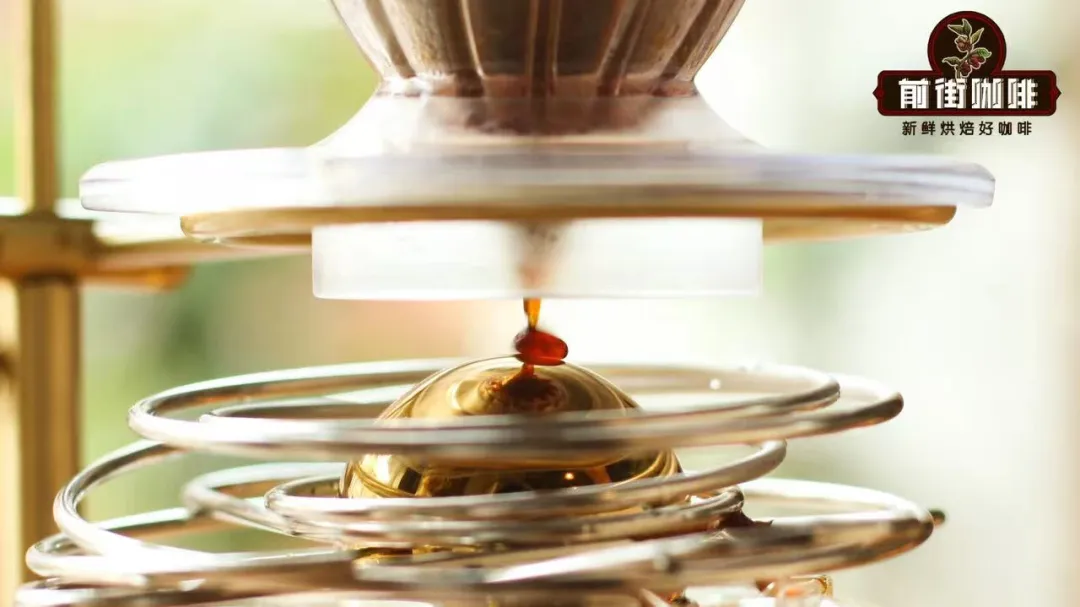
The Paragon micro-gold ball, once a topic of discussion in the market, leverages the cooling properties of metal to rapidly lower the liquid temperature upon pouring, thereby slowing the rate of aroma dissipation and allowing for a richer aromatic experience in the first sip. This raises an interesting question: what if we used a cold cup—such as one taken directly from the freezer—could that achieve a similar flavor effect?
To test this hypothesis, we specially designed an experiment examining how cup temperature affects coffee flavor. We selected Kenyan Assarica beans, which have a distinct flavor profile featuring pronounced notes of dark plum, cherry tomato, and fruity acidity, making them ideal for observing subtle flavor changes. In addition, to minimize human error, we maintained uniform brewing parameters and techniques throughout the experiment to ensure fairness and scientific rigor.
The brewing recipe used in the experiment was as follows: 15 grams of coffee grounds, ground to a fineness comparable to 75% through a #20 sieve (using the EK43 grinder set at the 9.5 mark)—roughly the coarseness of fine sugar. A 1:15 coffee-to-water ratio was used with a V60 filter. Brewing followed a standard three-pour method at 92°C water temperature, with total extraction time kept to around 2 minutes. All variables were kept constant except for the temperature of the cup receiving the coffee.

The experiment was divided into three groups: the first used a “high-temperature cup,” preheated with hot water before brewing to maintain a high cup temperature, resulting in a final coffee-in-cup temperature of approximately 71°C; the second group used a “room-temperature cup,” kept at ambient temperature, yielding a coffee-in-cup temperature of about 68°C; the third group used a “low-temperature cup,” which was pre-cooled in the freezer, bringing the coffee-in-cup temperature to around 62°C upon pouring. Each group used the same brewed coffee, but differences in cup temperature led to noticeably varied tasting experiences.
In the high-temperature cup test, the elevated coffee temperature resulted in a noticeably hot entry, which tended to dull the taste buds. This made the first sip highlight only caramel sweetness and faint dark plum acidity, with overall flavors being muted—despite the strong aroma, it was difficult to discern subtle notes. However, as the coffee cooled slightly, flavor layers gradually emerged and the mouthfeel became clearer.
The room-temperature cup performed relatively balanced, with an entry temperature of about 68°C—not too hot—and allowed for a more direct experience of the dark plum and cherry tomato acidity and sweetness. The flavor profile was clearer than that of the high-temperature cup. As the temperature dropped, various nuanced flavors were gradually released, resulting in a stable and smooth overall performance.
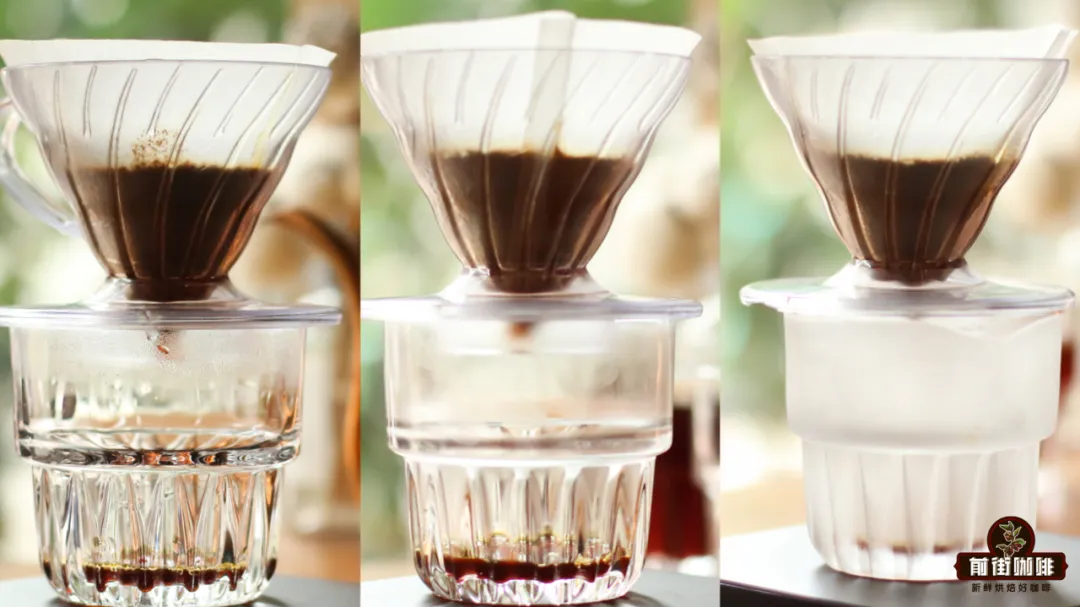
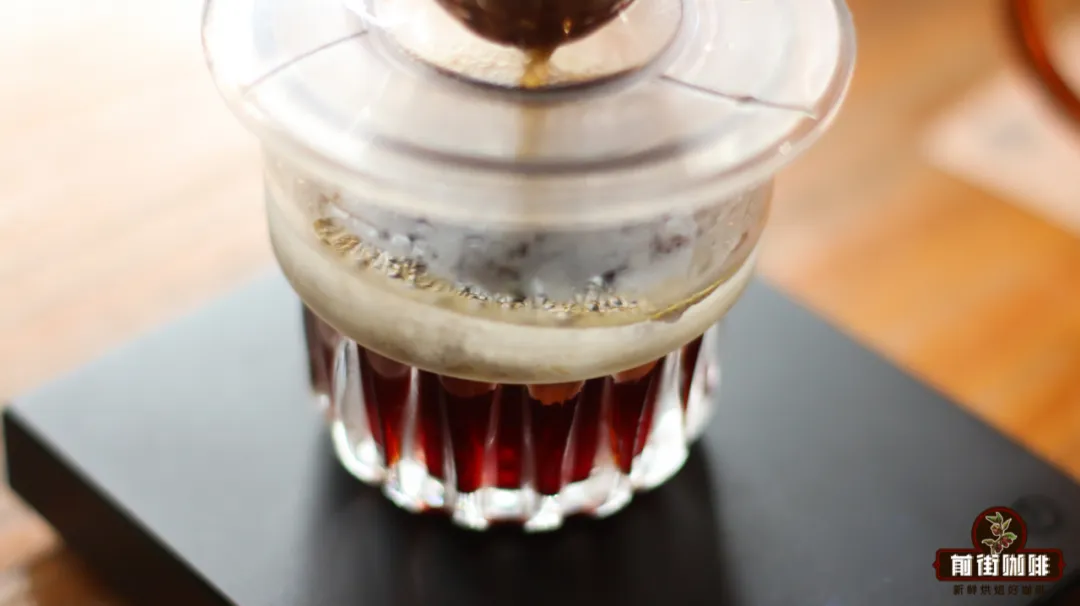
The most surprising results came from the low-temperature cup group. With the cup pre-cooled in the freezer, the initial coffee temperature upon pouring was around 62°C—a relatively skin-friendly warmth. It was not only non-scalding upon entry, but also immediately delivered pronounced fruit acidity and sweetness, including layers of dark plum, cherry tomato, Asian pear, and caramel. The overall flavor was fully revealed in the very first sip. However, due to slightly inhibited initial aroma release, the intensity of the aroma upon first sniff was marginally less than that of the other two groups.
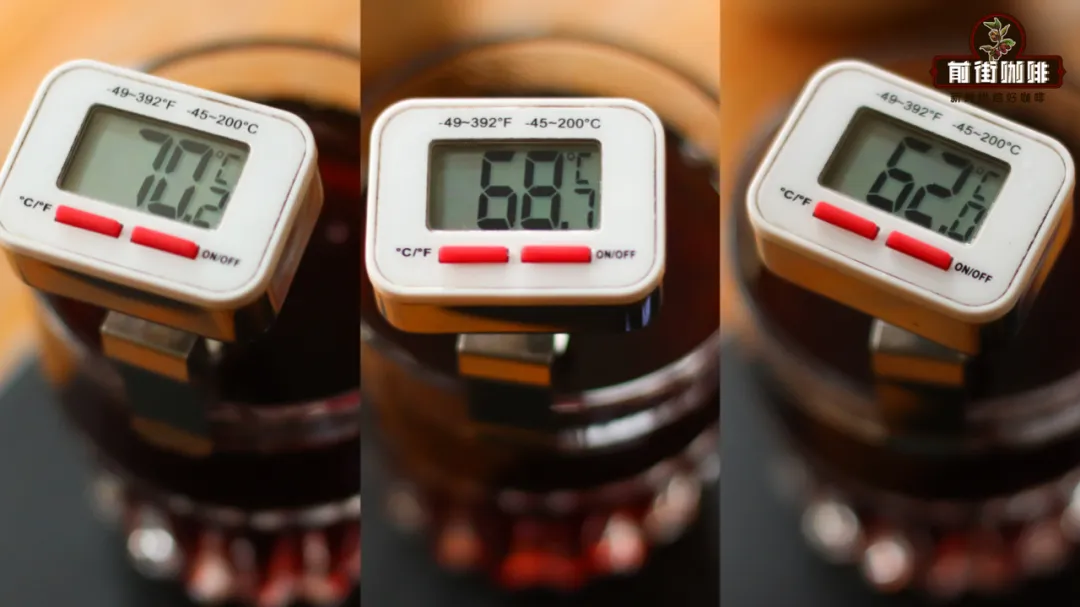
Combining the results from all three groups, it’s clear that while cup temperature has limited impact on the total amount of coffee aroma, it significantly influences entry temperature and overall flavor perception. High-temperature cups, due to their excessive heat, can dull taste sensitivity and hinder flavor expression; room-temperature cups offer balanced performance, suitable for most scenarios; low-temperature cups, with their moderate entry temperature, allow the taste buds to better capture flavor details—especially fitting for those seeking an explosive first sip.
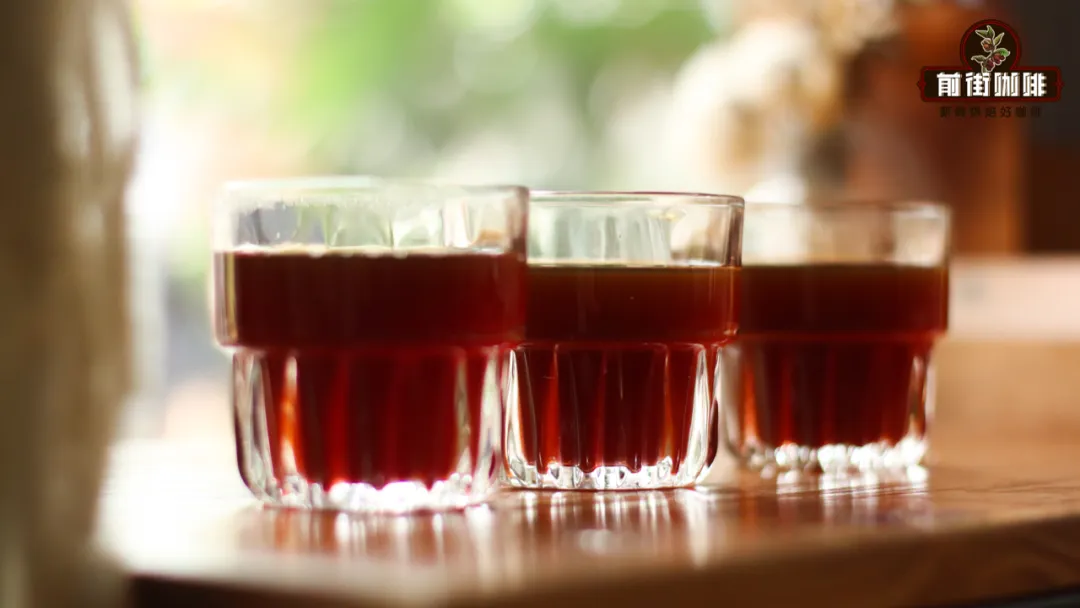
In practical application, cup temperature strategies can be flexibly adjusted according to season and environment. For example, during cold winter months, using a preheated high-temperature cup helps maintain coffee warmth and prevents rapid cooling that could detract from the overall experience. On days with moderate temperatures, if highlighting fruity acidity and aroma is desired, a room-temperature cup—or even pairing with tools like the Paragon micro-gold ball—can further enhance flavor expression. As for frozen cups, while they deliver an impressive first sip, care should be taken to avoid overly low temperatures that may suppress aroma release. Personal taste preferences should guide their use.
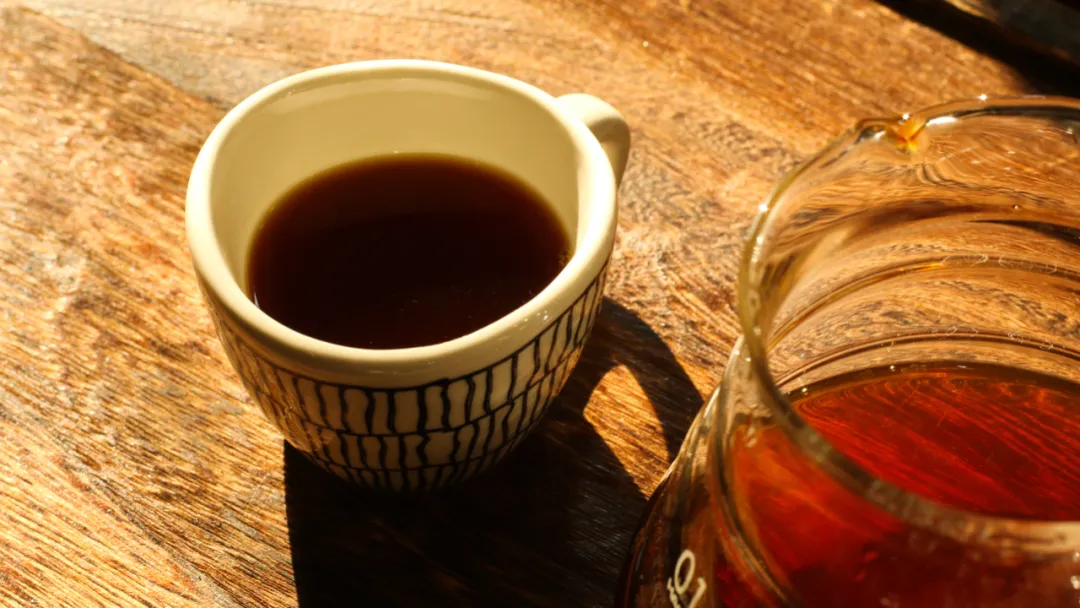
In summary, although cup temperature does not directly change the total amount of coffee aroma, it alters flavor perception and the overall tasting experience by influencing entry temperature and taste bud sensitivity. Understanding this difference allows both home brewers and café operators to select the most suitable cup temperature for different situations, ensuring every cup of coffee showcases its optimal flavor.
The above content is compiled by CoffeeHunters, a coffee news website.


