







Introduction:Want to enjoy coffee conveniently but can’t decide between drip bags and tea-bag style coffee pods? This article provides an in-depth comparison of the two in both hot brews and cold brews, examining key parameters such as grind size, coffee-to-water ratio, and steeping time. We’ll guide you through the real flavor differences between the two brewing methods and offer practical advice to help you make the best choice based on your needs.
During the hot summer months, the demand for energizing coffee remains high, and many are seeking more convenient brewing methods. Recently, a reader asked: Can coffee be brewed just like tea—by placing it in a filter bag and steeping directly? After all, drip bags require multiple pours and careful water control, making the process relatively cumbersome, whereas tea-bag style coffee seems simpler and more straightforward. To answer this question, we conducted hot and cold brew tests using the same medium-light roasted coffee beans, comparing both drip bag and tea-bag style methods. We carefully recorded grind size, coffee-to-water ratio, and steeping time, giving you a comprehensive understanding of their real-world performance and differences.
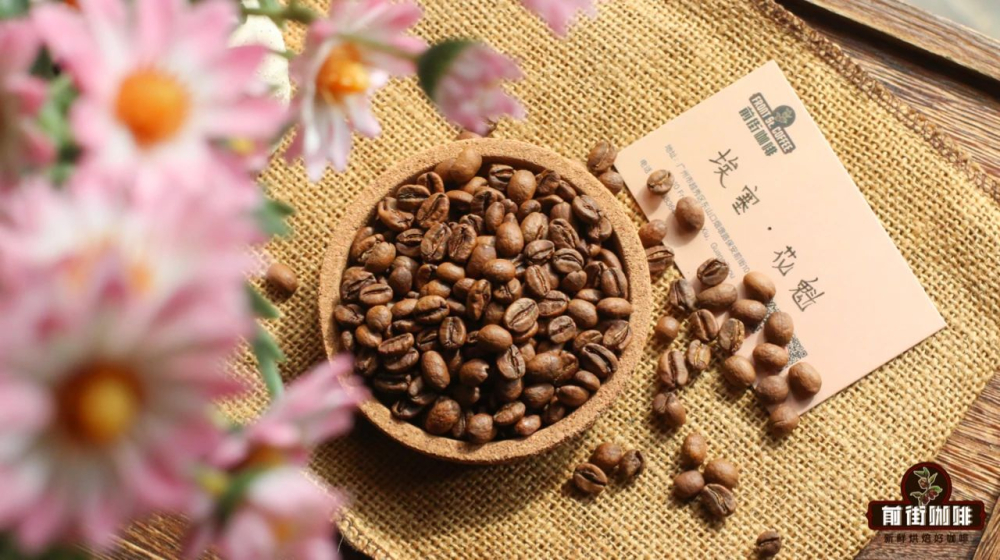
Before diving into the brewing methods, let’s talk about choosing the right coffee beans. For beginners, it’s especially important to select a specialty coffee bean with distinct and easily recognizable flavors. If you enjoy floral notes, look for beans with prominent floral and fruity aromas; if you prefer bright acidity, go for options that combine black tea and berry flavors; if you favor balanced taste without strong acidity or bitterness, those profiles will suit you better; and if you’re after a rich and full-bodied mouthfeel, consider dark roasted beans that have undergone multiple manual selections with low defect rates—these usually offer clear aromas and pronounced aftertaste.
Let’s first revisit the more familiar drip bag coffee. Most drip bags on the market come with pre-ground coffee packed in non-woven fabric filter bags. During brewing, the “ears” on either side of the bag are hung over the rim of a cup, suspending the filter bag inside to mimic the pour-over method. Simply pour in the appropriate amount of hot water and wait for the filtrate to drip through—you can quickly enjoy a ready-to-drink black coffee. As a type of drip coffee, the flavor profile of drip bags is influenced by multiple factors including coffee bean variety, grind size, coffee-to-water ratio, water temperature, and pouring technique.
As for tea-bag style coffee, although also a convenient option, its principle is closer to immersion brewing. These products use small sealed bags similar to tea bags; during brewing, the entire filter bag is placed directly into water, allowing the soluble compounds in the coffee to naturally seep out. It’s said that as early as the 18th century in France, people used to put coffee powder into cloth bags, tie them tightly, and then boil them in hot water. Once the concentration was sufficient, the bags were removed. Modern tea-bag style coffee evolved from this ancient method.
To provide a more objective answer, we conducted a practical comparative test, preparing both drip bag and tea-bag style versions using the same coffee beans for hot and cold brews, and compared their flavor, strength, and overall performance through actual tasting. This test covered the two most commonly used brewing methods in daily life, helping you understand which one better suits your needs.
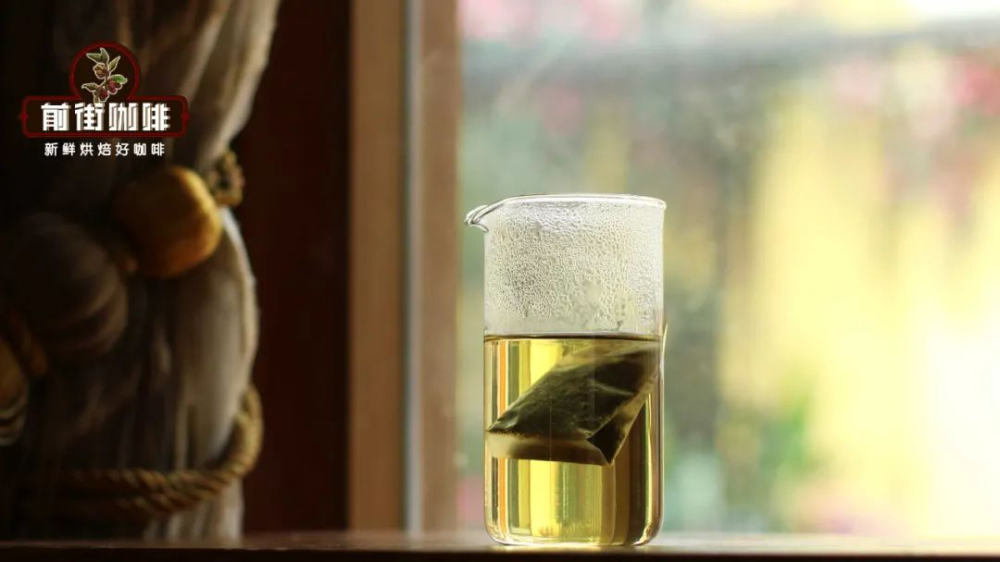
In terms of filter bag specifications, the tea-bag style coffee used in this test came in a mini size of 5.5*7cm, suitable for about 10g of medium-light roasted coffee powder. Meanwhile, standard commercial drip bags typically use composite filter materials made of coarse and fine mesh non-woven fabrics, with an unfolded size of about 7.5*9cm, also holding 10g of coffee powder. The coffee beans used in this test were Duncan Estate · Caturra, grown in Panama. Thanks to its unique geographical environment and natural sun-drying processing method, it exhibits delicate and diverse floral and fruity aromas, along with a honey-like sweetness. Due to limited availability, the coffee beans used in this test were reserved for specific channels only.
For grind size, both methods used the same setting, approximately equivalent to grind size 9.5 on the EK43s grinder (or grind size 24 on the hand grinder C40), aligning with common pour-over parameters to ensure that variables were focused on the brewing method rather than grind coarseness.
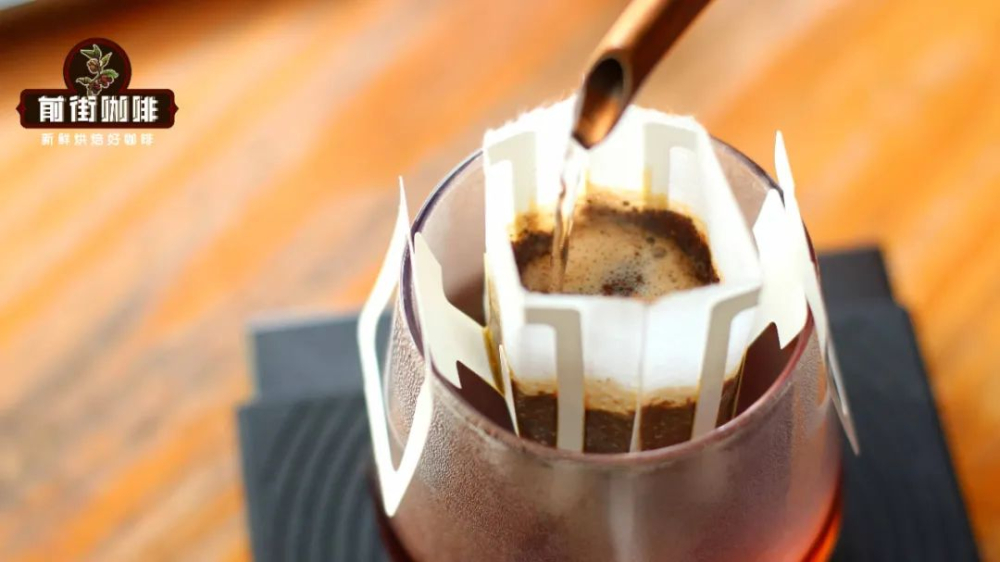
In the hot brew test, the drip bag coffee parameters were set as follows: 10g of coffee powder, a coffee-to-water ratio of 1:15, water temperature at 93°C, using a slow, small stream of water in three pours, for a total of 150g of hot water. The specific steps were: first, pre-wet with 20g of hot water, wait briefly, then pour the second pour of 65g, and when the liquid inside the filter bag reached about 80% full, pour the final 65g until all the filtrate had dripped through. The tea-bag style coffee, on the other hand, involved placing the filter bag directly into the cup and pouring in 150g of hot water all at once. Due to the barrier of the non-woven fabric material, the contact between the coffee powder and water was less direct, requiring a longer extraction time. In practice, after waiting over 20 minutes, the coffee liquid’s temperature had noticeably dropped and the concentration still hadn’t reached the desired level. The final tasting results showed that the drip bag version had vivid flavors, with clear tropical fruit aromas. On the palate, it presented sweet-and-sour notes of strawberry, dried mango, and pineapple, with rich dried fruit aromas and a lingering hint of grape fragrance. The tea-bag version, however, performed rather plainly, with a light and thin flavor, only faint dried fruit and floral notes, no noticeable acidity, and an overall lack of complexity.
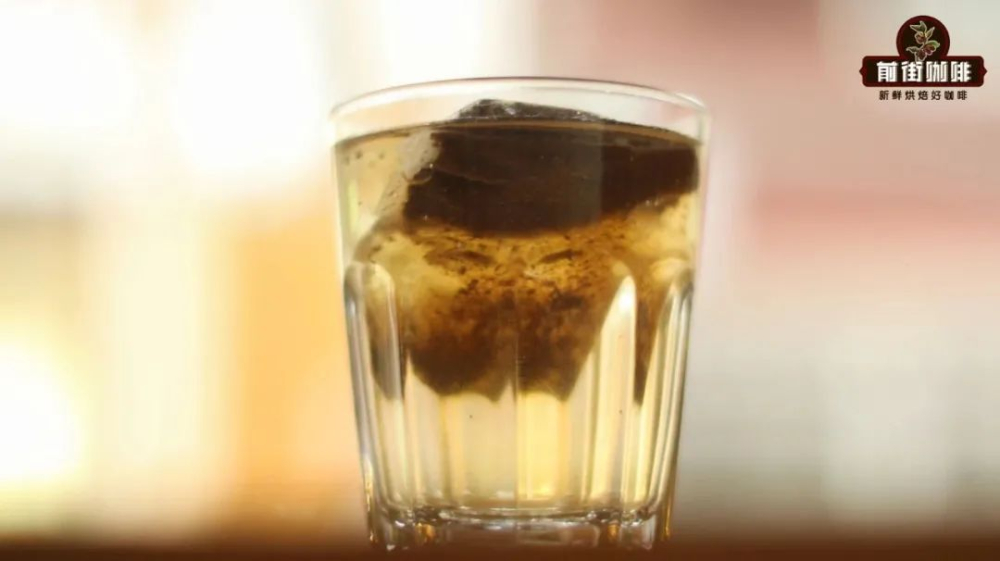
For the cold brew test, we used 20g of coffee powder, with a coffee-to-water ratio set at 1:11, for a total of 220g of water, steeped in room-temperature water for 8 hours. The drip bag cold brew steps were: open the drip bag and pour the coffee powder into a sealable container, add 220g of room-temperature water and stir well, seal the container, and refrigerate. Occasional stirring during the process can promote even extraction. After 8 hours, simply filter and it’s ready to drink. The tea-bag cold brew was even simpler—just place two tea bags into the container, pour in 220g of room-temperature water, seal and refrigerate, occasionally turning the container. Once extraction is complete, just remove and discard the tea bags without any additional filtering.
Both cold brew versions had similar overall flavors, but with subtle differences. The drip bag version produced a cleaner, more refreshing cold brew, with flavors dominated by raisin and citrus notes. The tea-bag version, because the coffee powder was enclosed in non-woven fabric and released its contents more intensely during water contact, resulted in a richer overall flavor, presenting notes of blueberry and black tea, along with a hint of orange aroma.
In summary, if you prefer hot drinks, drip bag coffee outperforms in both flavor expression and strength, whereas the lower extraction efficiency of tea-bag coffee can lead to weak flavors. But if you’re aiming to make cold brew, the tea-bag format is worth trying—its filter bag design helps concentrate the release of coffee flavors, resulting in a creamier and smoother cold brew experience.
The above content is compiled by CoffeeHunters, a coffee news website.


