







Introduction:Did you know that the origins of Vienna coffee are linked to coachmen? This classic coffee, adorned with cream, actually has an evolutionary history spanning over three hundred years—from the Einspänner (single-horse carriage coffee) found on the streets of Austria to later innovations by the Blue Bottle House, culminating in the cream-topped coffee we are familiar with today. This article will delve into the historical background and cultural roots of Vienna coffee, and provide both traditional and modern methods of preparation, along with pour over parameters and coffee bean recommendations, so you can recreate this classic at home.
Among many coffee beverages, cream often stands out for its smooth texture and mild milky aroma, lending coffee a rounded and layered mouthfeel, making it a key element in balancing bitterness and enhancing flavor. One of the earliest classic representatives to combine cream with coffee is none other than Vienna coffee. However, this drink actually has another more down-to-earth name locally—Einspänner, or “single-horse carriage coffee.”
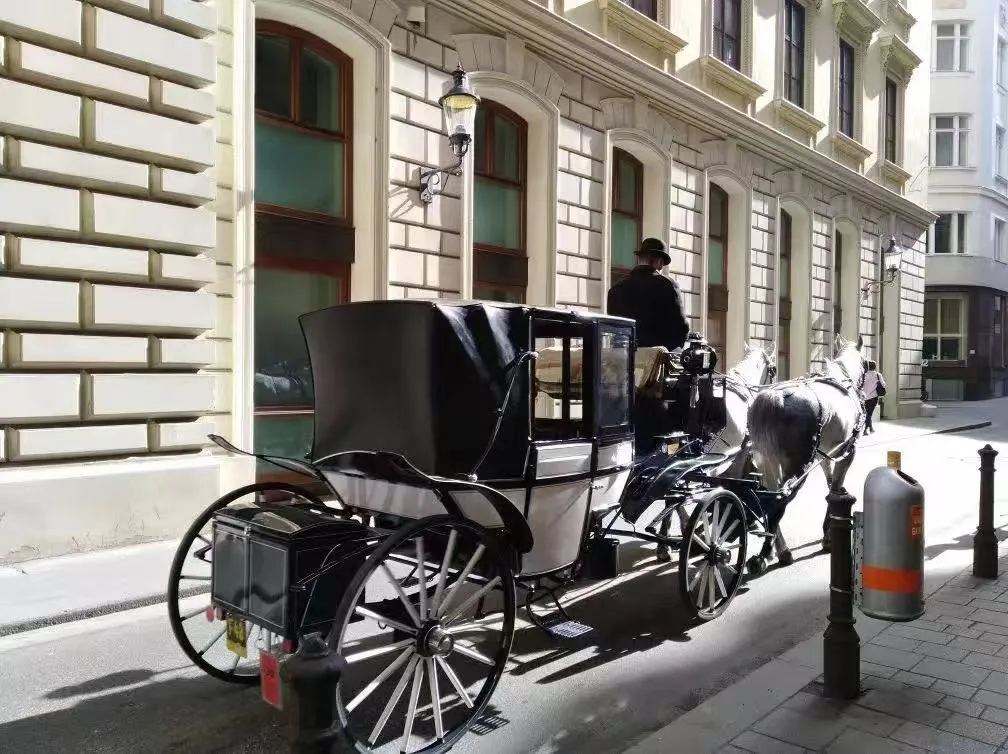
Despite the name containing “Vienna,” this coffee is not commonly found on the formal menus of local cafés. That doesn’t mean it doesn’t exist; rather, Austrians are more accustomed to calling it “Einspänner.” The term originates from German, originally referring to a lightweight carriage that could accommodate only one driver. It was a common mode of transportation in European cities during the 19th and 20th centuries and has since become one of Austria’s cultural symbols.
There are several versions regarding the origins of Vienna coffee, but most revolve around the figure of the “coachman.” One story goes that, to stay awake and maintain stamina on cold nights, coachmen would add cream to their black coffee—both to warm up and to prevent overstimulation from caffeine. Another theory suggests that this practice helped reduce the chances of the coffee spilling during bumpy rides. Either way, these tales have added quite a bit of legend to this cup of coffee.
Interestingly, attempts to add cream to coffee actually predate the “coachman’s coffee” by two hundred years. And the pioneer behind this was none other than Jerzy Franciszek Kulczycki, who later founded Vienna’s second coffeehouse—the Blue Bottle House. In 1684, he assisted Austria in lifting the siege of Vienna during wartime and was rewarded with a batch of coffee beans left behind by the Turks, along with other prizes. Using these resources, he opened one of the earliest coffeehouses in Vienna.
However, the Turkish method of brewing coffee—boiling ground coffee with water and drinking it along with the grounds—was too bitter and hard for locals to accept. To make the coffee more palatable to Austrian tastes, Kulczycki began modifying the process—for instance, using a cloth filter to remove coffee grounds, and adding sweeteners like honey, milk, cream, and spices. This created a milder, more approachable version of coffee, which is also seen as the prototype of cream-based coffee and latte-style drinks.

Over time, this cream-infused coffee beverage gradually gained popularity and became part of Austrian coffee culture. For example, Café Tomaselli, which opened in Salzburg in 1703, became famous for its cream coffee and even attracted the young Mozart as a regular. This historic café remains one of the must-visit landmarks for tourists in Salzburg to this day.
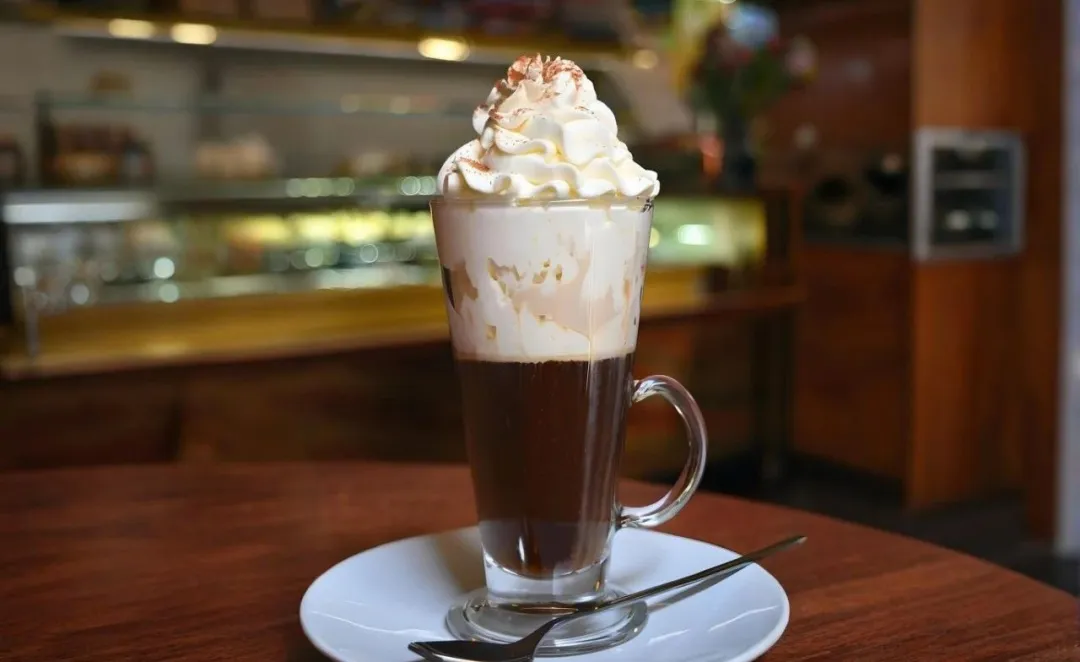
When it comes to the actual preparation of Vienna coffee, there are generally two versions: traditional and modern. The traditional method of making Vienna coffee is very simple: just prepare a cup of black coffee and top it with freshly whipped cream. For a more refined presentation, a highball glass can be used, and according to personal taste, sugar or a small amount of liqueur can be added to balance the bitterness of the coffee.
The choice of black coffee is quite flexible—pour over, Americano, or Long Black are all acceptable, but if you want to stay close to the traditional flavor, it is recommended to use a medium to dark roasted blend, such as a certain brand’s dark cocoa-based blend, composed of Yunnan small-seed variety and Brazilian Red Bourbon, offering rich notes of nuts and caramel, which pair excellently with cream. If you prefer a single-origin flavor, the brand’s PWN Golden Mandheling is also a great option, featuring complex layers of spice, caramel, and dark chocolate.
In terms of preparation order, whip the cream first, then brew the coffee, and finally place the cream on top of the coffee to complete the drink. Recommended extraction parameters are: 15 grams of coffee, a 1:15 coffee-to-water ratio, 88°C water temperature, using a KONO filter, with a grind size roughly equivalent to the 11th notch on the Ek43 (approximately 75% passing through a 20-mesh sieve), employing a three-stage pouring method. After brewing, sugar can be added to taste before topping with cream. When enjoying, you can gently stir with a spoon to blend the creamy aroma with the coffee flavors.
In the modern era, Vienna coffee takes on even more diverse forms. The base is no longer limited to black coffee—milk coffee, mocha, or various flavored milk coffees can all serve as the foundation; the topping of cream can also be enhanced with chocolate chips, nut fragments, or even decorated with piping or sculpting techniques for visual appeal. For example, you can create a toffee-flavored latte, top it with whipped cream, and sprinkle with cocoa powder and crushed nuts to craft your own creative version.
To elevate the flavor of the cream, it is recommended to add a suitable amount of flavored syrup—such as vanilla, caramel, or hazelnut syrup—during the whipping process. This imparts a richer layering to the cream, making the overall flavor of the coffee more multidimensional. This method is highly flexible and perfect for experimentation and creativity at home.
The above content is compiled by CoffeeHunters, a coffee news website.


