







Introduction:Want to understand what makes Colombian Ombligon coffee unique? From its peculiar fruit shape and genetic background to its cultivation characteristics in mid-to-high altitude regions, this article provides an in-depth analysis of this coffee variety that once shone brightly in the WBC competition. It also offers practical pour over suggestions and extraction parameters so you can fully experience its complex flavors of grapes, blueberries, and spices at home.
Among the many specialty coffee varieties, Colombia’s Ombligon (big belly button) has gradually caught the attention of coffee enthusiasts with its distinctive appearance and captivating flavors. If you’ve seen this name on a café’s coffee menu, you might have wondered: why is it called “big belly button”? What’s so special about it? This article will take you from the origin of the variety and the growing environment, all the way to exploring its processing method, pour over parameters, and most representative flavor profile.
[Image placeholder: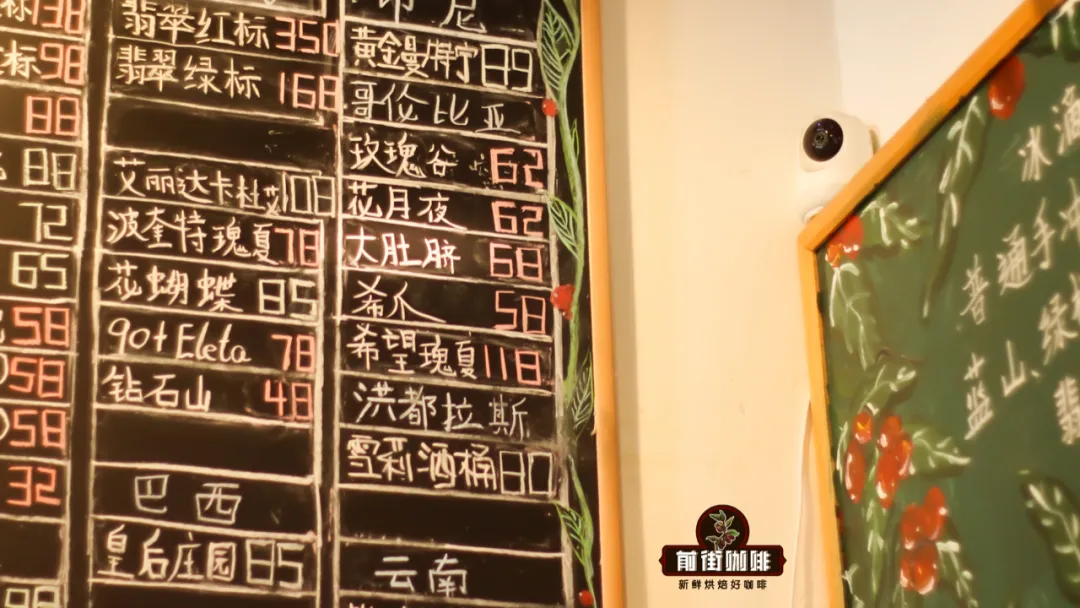 ]
When many people hear the name “big belly button” for the first time, they often feel puzzled or even find it a bit unusual. In fact, the name directly reflects its physical appearance. Just like the dimpled structure at the bottom of a navel orange, the coffee fruit of Ombligon also has a similar “belly-button-like” formation at its base, resembling a human navel—hence the name. In Spanish, it is called “Ombligon,” which means “belly button.”
Besides its unique shape, the fruit and coffee bean of Ombligon are also significantly larger than those of typical Arabica varieties, almost approaching the size of Maragogype and Pacamara beans. Because of this, farmers need to adjust the spacing of their dehulling equipment when processing these beans to avoid damage caused by their large size. This is also one reason why it presents certain challenges in production.
[Image placeholder: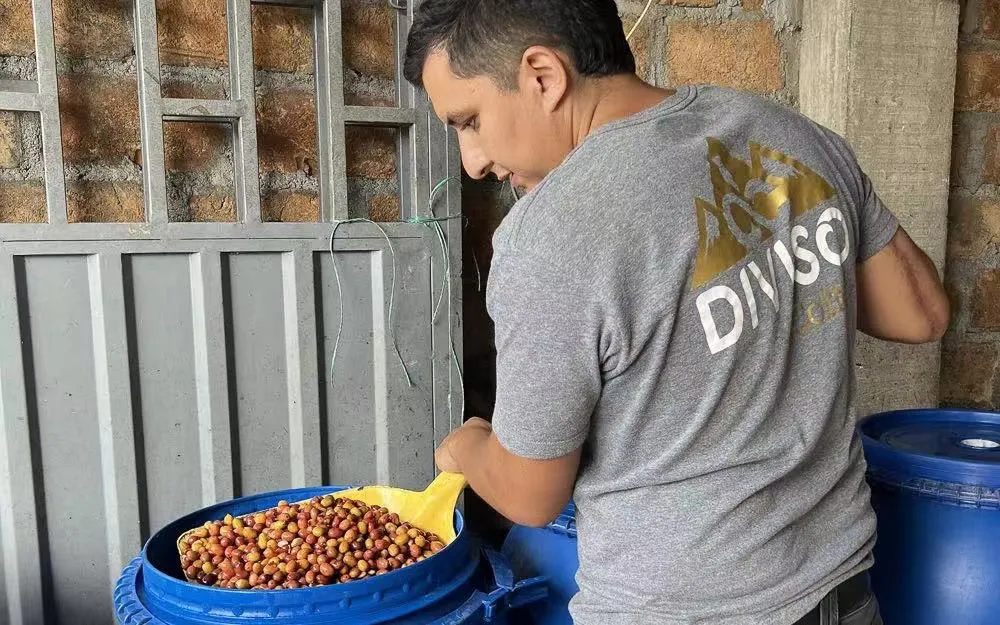 ]
Currently, Ombligon is primarily cultivated in Colombia’s Huila region. Interestingly, this variety was originally discovered by local farmers by chance. At the time, its origins were unclear, and it was speculated to be a natural mutation from Ethiopia. Later, through genetic analysis conducted by international coffee organizations, its lineage was revealed—it turns out that Ombligon has approximately 60% Ethiopian landrace genetics and 40% genetic background from native Colombian varieties.
In addition, some local experts also speculate that it may have some mutational connection to Pacamara, Bourbon, or even Castillo. Regardless of its origin, Ombligon exhibits agronomic traits similar to Caturra, including wide leaves, dense fruit clusters, vertically growing branches, and relatively high yields. More importantly, it shows good resistance to common leaf rust, making cultivation and management easier—an important reason why it is gradually gaining favor among farmers.
[Image placeholder: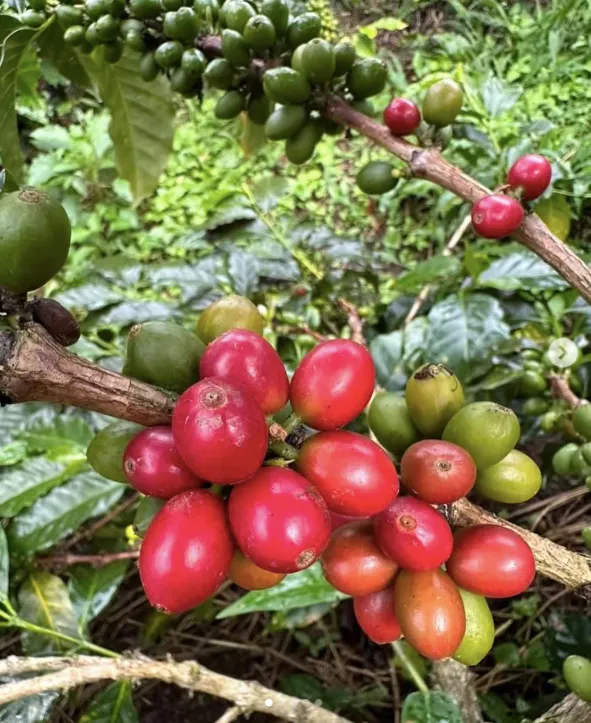 ]
Ombligon truly rose to prominence on the stage of the 2023 World Barista Championship (WBC). Australian competitor Jack Simpson used Ombligon coffee beans from Finca El Diviso to compete and successfully secured third place. After the competition, he stated that it was the complex flavors and layered profile of these beans that deeply appealed to his taste buds and perfectly matched the theme he wanted to present in the competition. Since then, Ombligon has gradually become one of the most talked-about varieties in major competitions.
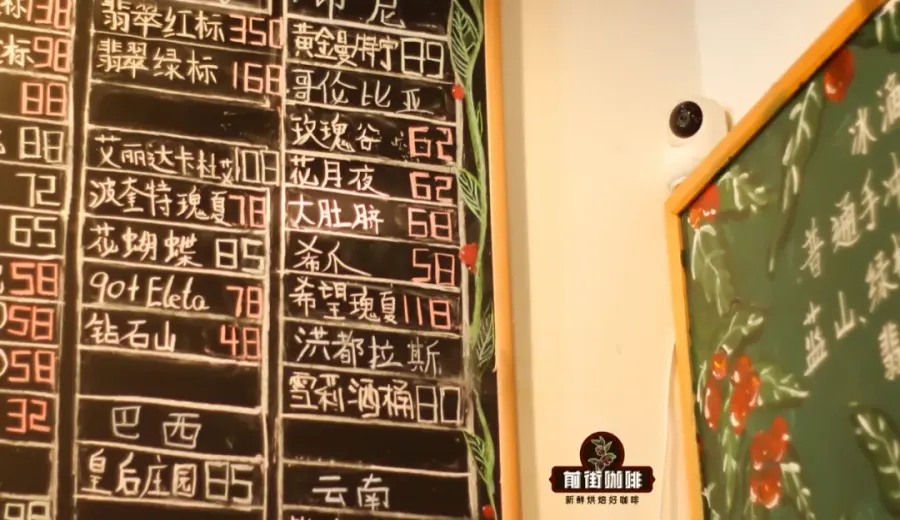
A well-known coffee brand also added Ombligon from Finca El Diviso to its menu last year, sparking a lot of curiosity and discussion among customers. This coffee is processed using a double anaerobic natural method and is carefully grown at an altitude of about 1700 meters, ultimately delivering an astonishing flavor profile.
According to tasting notes, this Ombligon exhibits rich flavors of grapes, oranges, and blueberries, accompanied by the bright acidity and sweetness of tropical fruits like pineapple juice. With careful sipping, you can also detect subtle hints of spice and fermented wine-like aromas. Although the anaerobic processing gives the beans a darker surface color, making them look like dark roast, they are actually medium-light roasted, so the brewing logic for light roast beans still applies.
[Image placeholder: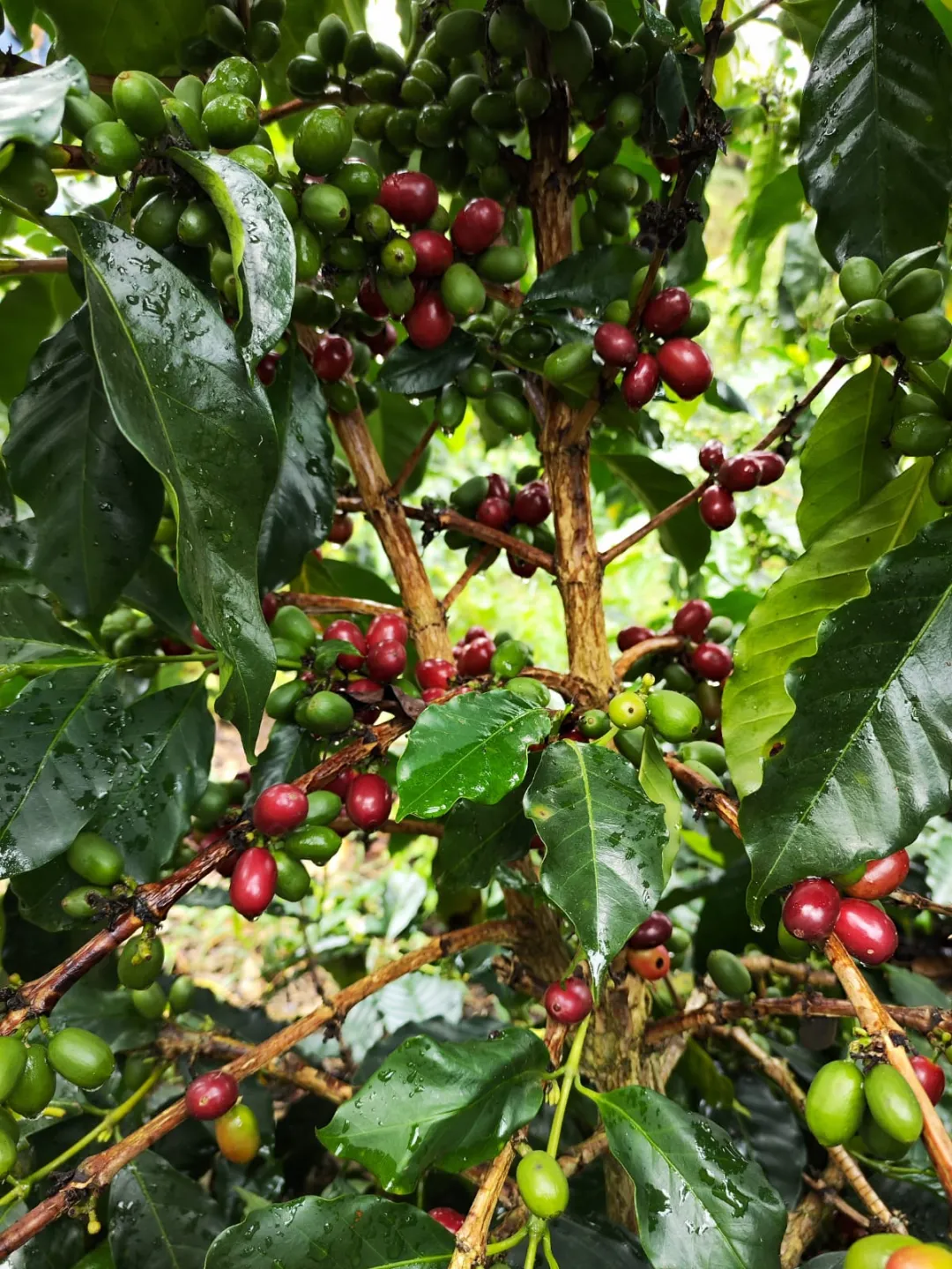 ]
For home pour over brewing, it is recommended to use a V60 dripper, with water temperature controlled between 90–93°C. The suggested coffee-to-water ratio is 1:15, and grind size should be around the fineness of fine sugar (approximately 75% through a #20 sieve). Total brew time is recommended to be around 2 minutes, and you can fine-tune grind size and water temperature according to personal taste preference to achieve the best flavor balance.
In terms of flavor profile, at higher temperatures, you can clearly perceive the bright acidity of blackcurrant paired with the refreshing sweetness of oranges and pineapples, reminiscent of a fruit-forward juice blend. As the temperature drops, notes of chocolate, spices, and a mildly intoxicating fermented wine aroma gradually emerge. The overall profile is multi-layered, with a long-lasting aftertaste—making it a premium coffee well-suited for slow, enjoyable sipping.
The above content is compiled by CoffeeHunters, a coffee news website.


