







Introduction:The world’s most expensive coffee variety, Geisha, shares a similar name but offers vastly different flavors. What exactly sets Panamanian and Ethiopian Geisha apart? This article traces its origins from the forests of Kaffa, Ethiopia in 1931, details how Geisha made its way to Panama, and how it rose to fame through the Best of Panama (BOP) competition. We’ll also delve into the story behind the T2722 designation, the difference between “Gesha” and “Geisha” spellings, and provide practical buying tips to help you distinguish authentic Geisha and find your preferred flavor profile.
Geisha coffee has long held the title of the world’s most expensive coffee, yet many people often wonder: why is Panama always emphasized when discussing Geisha? Are Panamanian and Ethiopian Geisha really the same thing? In fact, although both originate from the same coffee variety, differences in cultivation environment, historical background, and naming conventions have resulted in distinctly unique flavors and market positions.
This article will take you from the initial collection in Ethiopia’s Kaffa Forest in 1931, exploring how Geisha traveled through Kenya and Costa Rica before being discovered at Panama’s Hacienda Esmeralda, where it gained international acclaim at the Best of Panama (BOP) competition and became a legend in the specialty coffee world. We’ll also uncover the origin of the T2722 variety designation and decode the commercial strategies behind many so-called “Geisha” coffees on the market.
The close association between Geisha and Panama is no accident. On one hand, it was Panama that brought this once-obscure variety onto the global stage; on the other hand, it’s closely tied to how Geisha was initially discovered and spread in Ethiopia. Let’s rewind history and start with Geisha’s rise in Panama.
Geisha was first discovered in 1931 in Ethiopia’s southwestern Kaffa Forest. At the time, British border forces officer Colonel Richard Whalley led an expedition into the region to collect coffee samples with both disease resistance and commercial potential — Geisha was one of them. Interestingly, instead of retaining its original local name “Gesha,” the coffee was misrecorded as “Geisha” due to a phonetic error, and this name continued to be used when it later appeared in Panama.
Subsequently, Geisha seeds were taken to various countries for trial planting, including Kenya, Uganda, and Tanzania. It eventually arrived in Costa Rica’s CATIE (Centro Agronómico Tropical de Investigación y Enseñanza) in 1953. At CATIE, due to its good resistance to fungal diseases, it was cataloged and given the number “T2722,” becoming one of the varieties preserved by the institution. However, despite its strong disease resistance, Geisha’s yield was only half that of regular Arabica coffee, making it unattractive in an era focused on high yields.
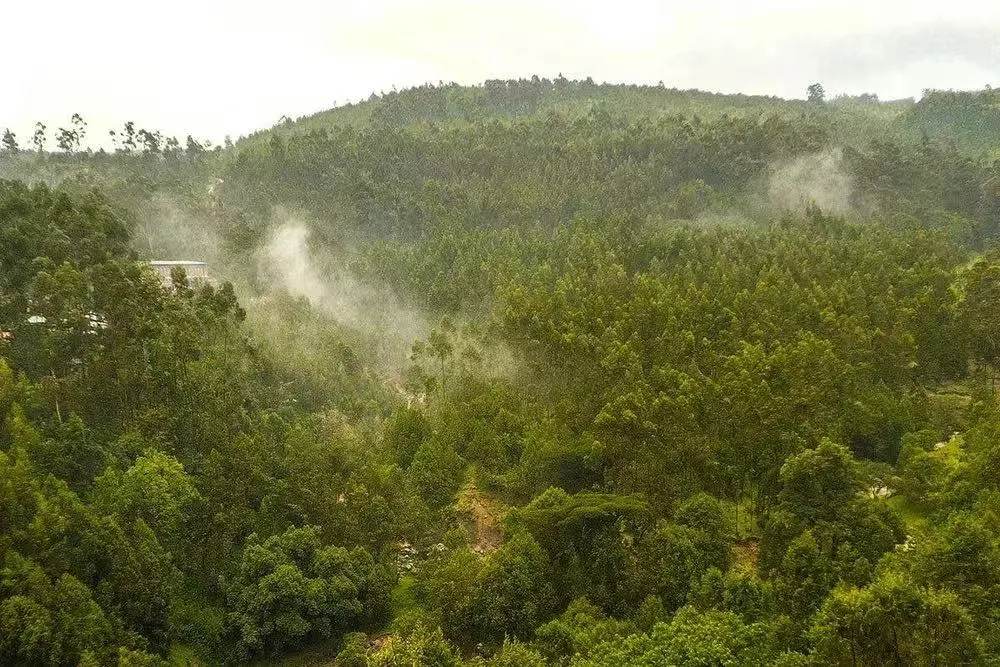
Fast forward to the 1960s, when CATIE introduced Geisha seeds to Panama, and some local farmers began small-scale cultivation. However, it wasn’t until the 21st century that Geisha was truly “discovered.” In 2004, Hacienda La Esmeralda entered their Geisha into the BOP international competition and achieved outstanding success — not only winning the championship but also stunning the global specialty coffee community.
In fact, Hacienda La Esmeralda had been growing Geisha earlier but hadn’t paid it much attention. It wasn’t until the 1990s, when coffee leaf rust ravaged most of their trees, that Geisha stood out due to its remarkable resistance, catching the eye of farm owner Daniel Peterson. He promptly transplanted the Geisha to higher-altitude plots and managed it separately, hoping to unlock its full potential.
That decision proved to be right. Under higher altitudes and more favorable microclimates, Geisha exhibited unprecedented flavor characteristics. During cuppings in 2003, the coffee displayed intense white floral aromas, bright citrus and bergamot acidity, and a clean green tea-like finish with a hint of honey sweetness. This distinctive flavor profile later became widely known as the “Geisha taste.”
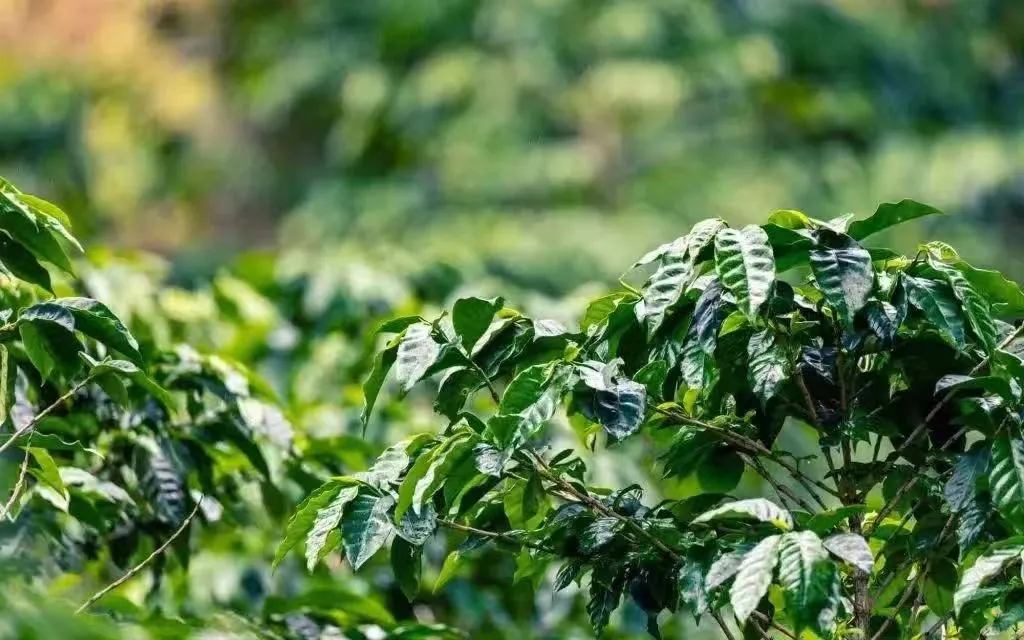
In 2004, Hacienda La Esmeralda decided to enter this extraordinary-tasting Geisha into the BOP. Not only did it win the championship, but it also claimed the top spot for three consecutive years, with auction prices reaching new highs each time. This victory not only catapulted Panamanian Geisha to fame but also established the “Geisha taste” as a classic hallmark of the specialty coffee market.
As Panamanian Geisha skyrocketed in popularity, many producers began searching for the roots of Geisha, hoping to find the original variety similar to T2722. Among them, Adam Overton, owner of Gesha Village Estate, was the most successful. He personally traveled deep into Ethiopia’s Bench Maji region, locating varieties in the surrounding forests genetically close to T2722, including “Gori Geisha” and “Geisha 1931,” which he cultivated and promoted under the native name “Gesha.”
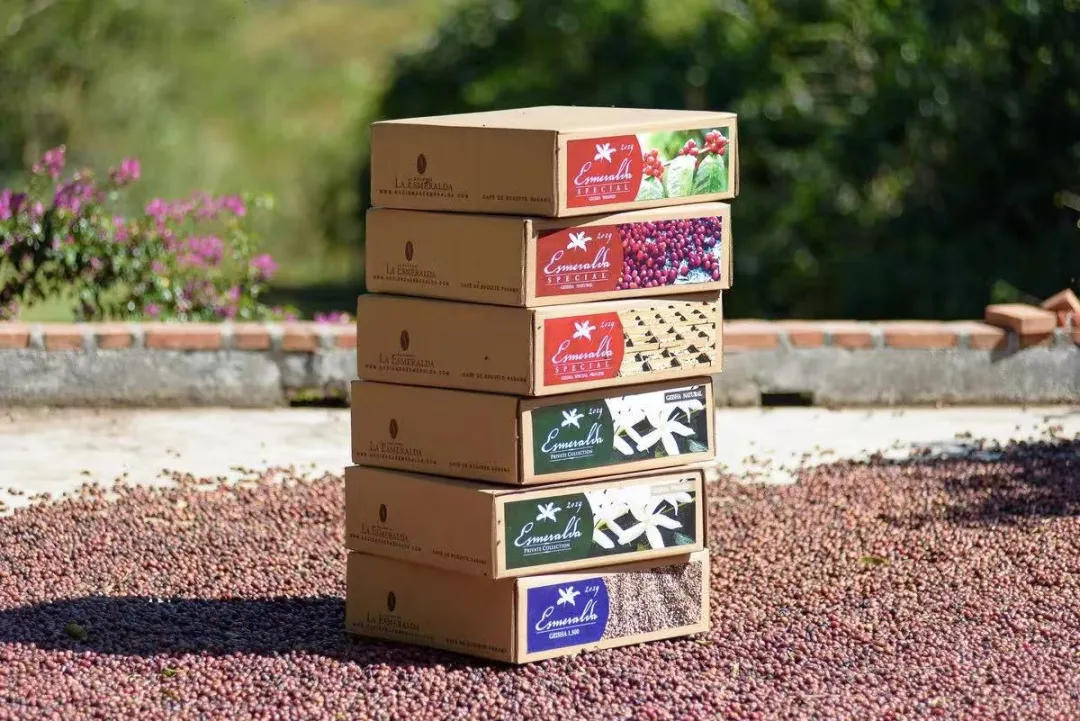
However, as the commercial value of the name “Geisha” soared, many subpar products also emerged on the market. Numerous coffees, merely because they came from a forest in Ethiopia or had somewhat similar flavors, began labeling themselves as “Geisha,” leading to confusion among consumers during selection.
To differentiate the purified and celebrated T2722 variety grown in Panama, the industry usually labels Panamanian Geisha with “(T2722)” or emphasizes its origin. The World Coffee Research organization has also specifically designated this variety as “Panama Geisha (T2722)” for clear identification. Therefore, when we talk about “Geisha,” unless specified otherwise, we might not be referring to the same thing.
Additionally, observing the spelling of the variety name is another key clue to identifying its origin. The Ethiopian original is generally spelled “Gesha,” without the letter “i”; whereas the verified and named T2722 variety from Panama is commonly spelled “Geisha.” This seemingly minor difference actually carries rich historical and geographical significance.
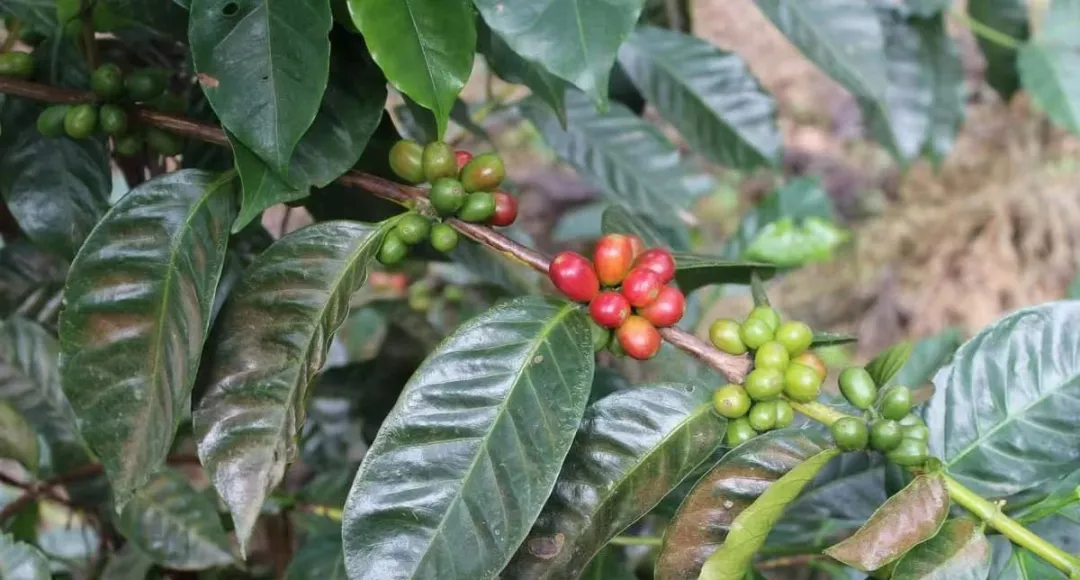
If you want to experience the true “Geisha taste,” it’s recommended to choose T2722 varieties grown in Panama, especially at elevations above 1,500 meters. Although countries such as Colombia and Honduras now also grow Geisha, differences in microclimate, soil, and processing methods often result in flavor profiles quite distinct from the Panamanian version.
A classic and accessible option is the “Panama Boquete · Geisha (T2722)” listed by a certain coffee brand, suitable for pour over or drip-bag brewing. It’s recommended to use a medium-light roast, with water temperature controlled at 90–92°C and grind size about that of fine sugar, to highlight its delicate floral and citrus notes.
In summary, what makes Panamanian Geisha special is not just its origin in Panama, but also the fact that it is the T2722 variety — a verified cultivar that thrives in high-altitude environments. Ethiopian Gesha, on the other hand, is its original version, potentially offering wilder and more varied flavors, but equally worth trying. By understanding the distinctions in spelling, origin, and variety number, you’ll be able to choose your favorite Geisha with greater precision.
The above content is compiled by CoffeeHunters, a coffee news website.


