







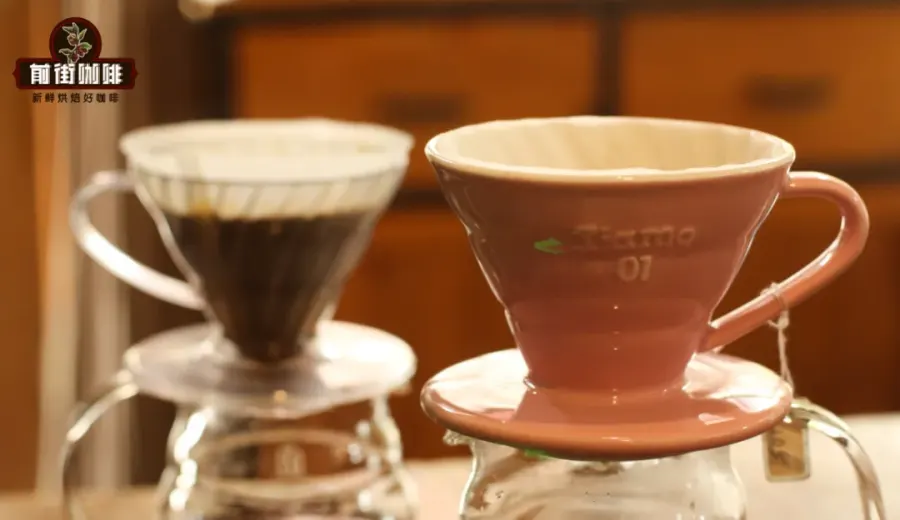
Introduction:The material of your pour over dripper isn’t just about looks — it can subtly affect the brewing temperature and ultimately the flavor of your coffee. Ceramic and resin drippers, due to their differing thermal conductivity and specific heat capacities, may lead you to think there’s something wrong with the beans or your technique if they’re not preheated or used properly. This article dives deep into how these two materials actually impact extraction efficiency, explains why ceramic drippers can result in weaker coffee when not pre-warmed, and offers practical tips on preheating and adjusting parameters so you can achieve your ideal cup based on your dripper's material.
In the world of pour over coffee, the material of the dripper is more than just a matter of feel or appearance — it plays a key role in shaping the flavor of your coffee. Many coffee enthusiasts have noticed that even when using the same beans, grind size, and coffee-to-water ratio, switching the dripper material can lead to noticeably different flavors in the brewed coffee. This difference is closely related to two physical properties of the dripper: thermal conductivity and specific heat capacity.
Thermal conductivity refers to how quickly a material transfers heat — the higher the value, the faster the heat transfer. Specific heat capacity, on the other hand, is the amount of heat a substance needs to absorb or release to change its temperature by one degree. Materials with high specific heat capacity change temperature more slowly. These two characteristics together determine how much heat the dripper "takes away" from the hot water during brewing, which in turn affects the final brewing temperature and the resulting coffee flavor.
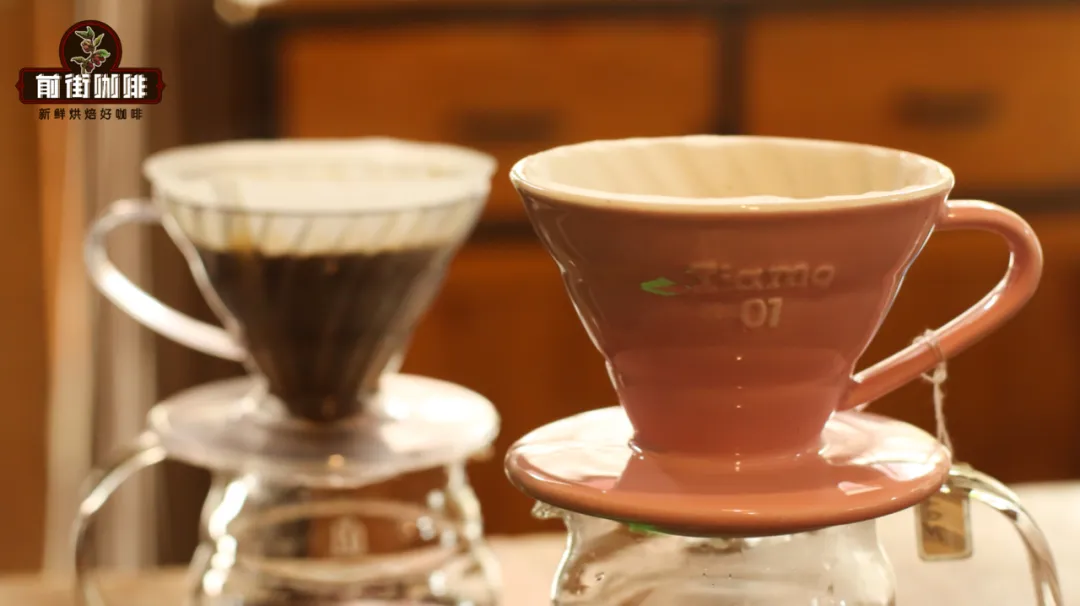
For example, when you use a dripper with both high thermal conductivity and high specific heat capacity without preheating it, the dripper will quickly absorb a large amount of heat from the hot water, causing a significant drop in the actual brewing temperature. Once the water temperature drops, the extraction efficiency of soluble substances in the coffee also decreases — especially those high-molecular compounds that contribute to bitterness and a rich mouthfeel, which are often under-extracted as a result.
Ceramic drippers are a prime example of this type of material. Due to their relatively high specific heat capacity and moderate thermal conductivity, they absorb more heat than other materials (like resin) when not preheated, leading to a more noticeable drop in brewing temperature. This explains why many people find their coffee tasting less bitter or even overall weaker when using an unpreheated ceramic dripper — it’s actually a result of lower overall extraction efficiency.
However, ceramic drippers also have their advantages. Once fully preheated, their high specific heat capacity helps maintain the liquid temperature during brewing, slowing down heat loss and keeping the brewing environment relatively stable throughout the process. Therefore, when using a ceramic dripper, be sure to preheat it thoroughly with hot water before brewing. This not only raises the initial water temperature but also allows the dripper to continue insulating and maintaining heat during the brew.
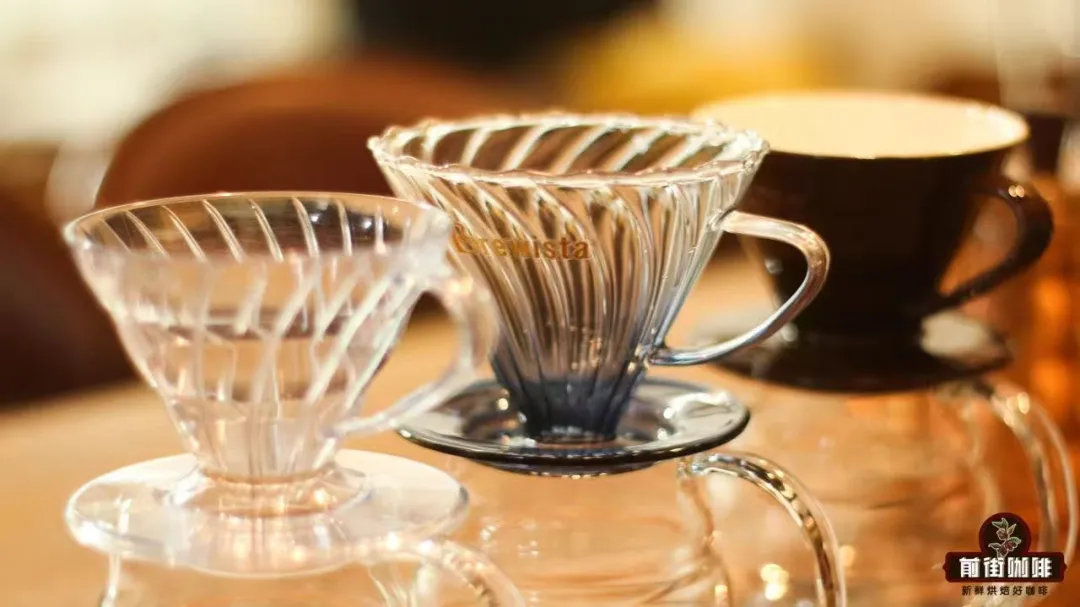
In comparison, resin drippers usually have lower specific heat capacity and thermal conductivity. This means they absorb less heat from the hot water during brewing, and the temperature drop is relatively smaller. As a result, under the same conditions, using a resin dripper often maintains a higher actual brewing temperature, helping extract more flavor compounds from the coffee, including those that contribute to bitterness and body. But beware — too high a temperature can also lead to over-extraction, resulting in burnt or off flavors.
During actual brewing, if you’re using a ceramic dripper, it’s recommended to preheat it by soaking it in hot water close to the brewing temperature (around 90–96°C) for about 30 seconds to 1 minute before pouring. This not only preheats the dripper but also warms up the filter paper and server, reducing subsequent temperature loss. In addition, based on actual tests, an unpreheated ceramic dripper can cause the water temperature to drop by 3–5°C, which can significantly affect the extraction of bitterness and aroma, especially for light to medium-light roasts. It’s advisable to adjust by grinding slightly finer or extending the brewing time to compensate for the lower temperature.
In summary, ceramic and resin drippers each have their own physical characteristics and ideal use cases. Understanding the differences in their thermal conductivity and specific heat capacity can help you make more precise adjustments during pour over brewing — whether in your preheating routine, water temperature control, or fine-tuning grind size and brew time — allowing you to brew a cup that better matches your expectations based on the material of your dripper.
The above content is compiled by CoffeeHunters, a coffee news website.


