








Introduction:Have you ever heard that “coffee beans taste better after resting,” yet don’t quite understand the science behind it? In fact, the key to resting coffee beans isn’t to create new flavors, but to allow the residual carbon dioxide produced during roasting to fully dissipate—preventing it from interfering with extraction. This article delves into the science of degassing, helping you understand how different roasting methods and levels affect the ideal resting period, and shares practical sensory judgment tips to help you pinpoint each bean’s peak flavor window and elevate your pour over experience.
Many coffee enthusiasts have heard that “resting beans can improve flavor,” but the true purpose of resting is not to create fresh flavors, but rather to gradually release the carbon dioxide built up during the roasting process, reducing its interference with extraction. Most of a coffee’s flavor profile is established during roasting. After roasting, the beans continue to emit gases, entering what is known as the resting and flavor appreciation stage. When the rate of carbon dioxide release drops to the point where it no longer significantly disrupts the dissolution of flavor compounds, the coffee has reached its optimal drinking window.
So, how long should coffee be rested? There’s no fixed answer—it can range anywhere from 4 to 30 days, depending on the roasting method, roast level, and the roaster’s style. This article will start with the principles of degassing, combine them with hands-on experience, and guide you on how to use sensory evaluation to determine each coffee bean’s best flavor state.
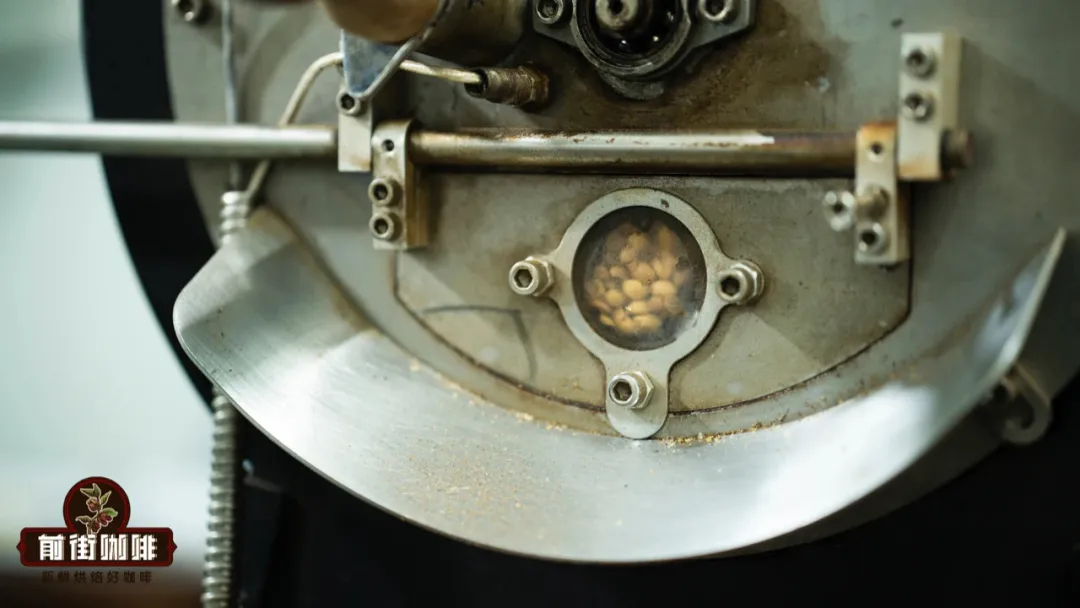
First, we need to clarify a common misconception: resting does not “generate” more premium flavors. Many people assume that freshly roasted beans will simply become tastier if “left to rest,” but in reality, the main stage of flavor development occurs during roasting, where high temperatures trigger Maillard reactions and caramelization, producing rich aromas and textures within the beans. Once roasting is complete and the beans have cooled, flavor generation slows down significantly.
From this point onward, the coffee beans will continue to release internal carbon dioxide, entering the so-called resting and flavor appreciation period. During this process, while some oxidation still occurs, in most cases, oxidation actually accelerates flavor loss rather than creating new high-quality compounds. The reason coffee tastes better after resting is because the reduced carbon dioxide allows flavor compounds to be released more smoothly during extraction.
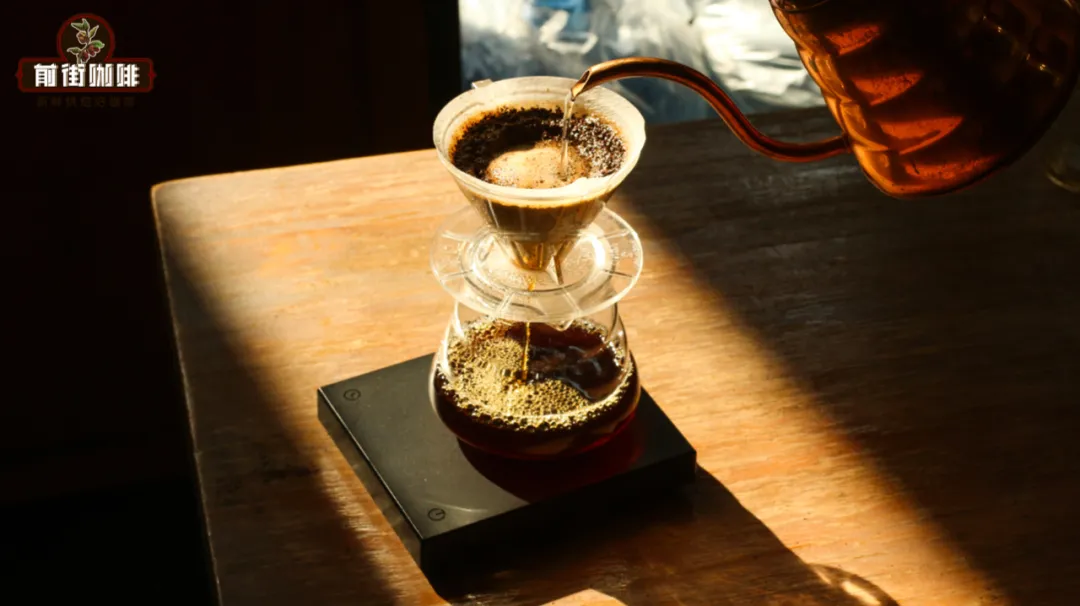
During roasting, high temperatures not only produce aromas and flavors, but also generate a large amount of carbon dioxide. If these gases are not fully released by the time of extraction, they will be dissolved first, hindering the release of flavor compounds. If you use consistent extraction parameters—such as water temperature, grind size, and brew time—and the carbon dioxide content is relatively high, the actual amount of flavor compounds that can be extracted will decrease.
In other words, achieving a fuller and cleaner cup often hinges on minimizing carbon dioxide interference, allowing flavor compounds to be fully released. Resting is precisely the method by which, over time, these gases naturally dissipate, thereby improving extraction efficiency. When carbon dioxide release drops to a level that no longer significantly affects extraction, the coffee enters its optimal drinking period.
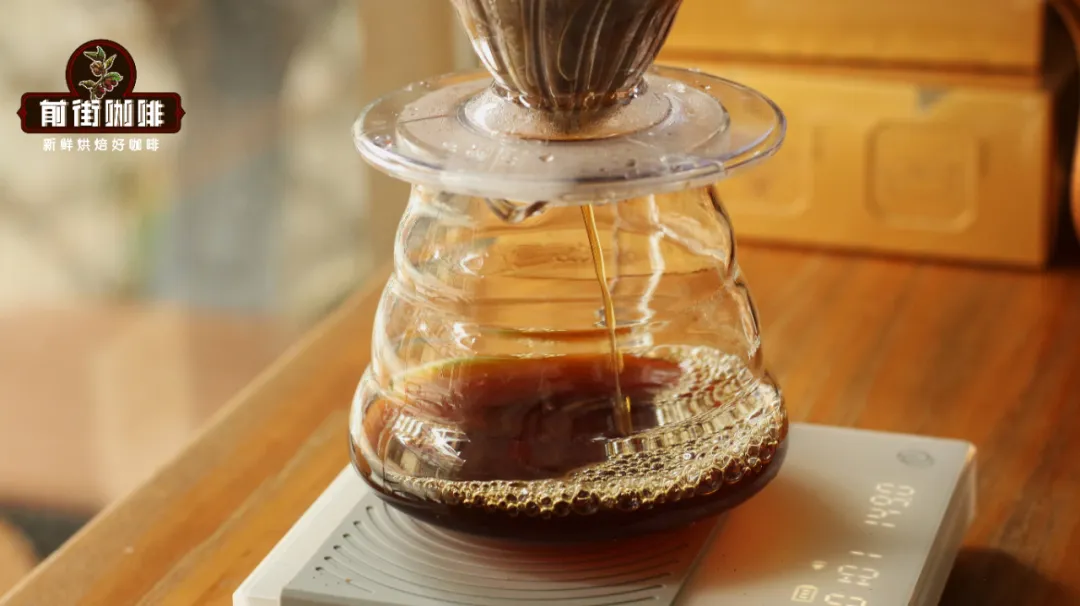
So how long should beans be rested? There’s no universal answer—recommended durations on the market range from 4 to 30 days, largely because different roasting methods, levels, and styles greatly influence carbon dioxide content and degassing speed. For example, the mainstream roasters on the market can be divided into three types: direct-fire, semi-direct-fire, and hot-air. Among them, direct-fire roasting generates more carbon dioxide due to direct heat transfer, thus requiring the longest degassing time; semi-direct-fire comes next; whereas hot-air roasting, with its faster air circulation, releases carbon dioxide more quickly, typically needing the shortest resting time.
Additionally, roast level plays a role: dark roasts, due to their longer roasting times and higher temperatures, usually accumulate more carbon dioxide and require a longer time to release it; light roasts, on the other hand, release it more quickly. Finally, each roaster has their own unique style and may use different parameter curves and techniques, all of which can impact degassing performance. As a result, recommended resting periods can vary widely among producers. In such cases, the most reliable approach is to rely on your own sensory judgment.
It is recommended that upon receiving your coffee beans, first check the roast date, then begin brewing every 1 to 2 days starting from the fourth day, observing any changes in flavor.Note that the first three days after roasting are usually when carbon dioxide is released most intensely.During this period, it’s not advisable to brew immediately. By keeping your brewing parameters consistent, you can record the flavor profile of each brew. When you eventually find that the flavor no longer improves significantly—or even starts to show a stable and balanced profile—that’s very likely the bean’s optimal drinking window.
Make a note of this timeframe, and in the future, when encountering beans of similar style or roast level, you’ll be able to plan your tasting time more accurately. If you wish to experience peak flavor earlier, you can also adjust brewing parameters based on past tasting notes—such as slightly increasing water temperature or extending brew time—but be cautious, as this may also extract more impurities or undesirable flavors, so careful evaluation is needed.
The above content is compiled by CoffeeHunters, a coffee news website.


