








Introduction:When extracting espresso, if you often encounter splattering coffee or uneven extraction, it’s likely caused by channeling due to uneven distribution of the coffee puck. This article delves into two main causes—coffee grounds clumping and improper distribution techniques—and explains in detail how correct leveling and tapping methods can effectively improve puck distribution, enhancing extraction stability and flavor consistency.
Many home and café baristas who brew espresso often face a tricky issue: even when the coffee puck appears perfectly flat, extraction may suddenly start with intense spraying from one spot, or result in overall uneven extraction. This phenomenon is what we commonly call “channeling.” A flat-looking puck doesn’t necessarily mean an evenly structured interior—in fact, the real problem often lies beneath the surface.
Based on observation and hands-on experience, channeling often stems from two primary causes: severe clumping of coffee grounds, and uneven distribution during dosing and tamping. The latter, in particular, is an issue for many who, after directly dosing into the portafilter without a distributor, skip proper leveling and redistribution steps, causing uneven stacking of coffee grounds. This then creates “shortcuts” with the least resistance during extraction, allowing hot water to pass through only specific areas and compromising overall extraction quality.

To understand the root of the problem, let’s revisit how the coffee puck is formed. Typically, ground coffee is poured into the portafilter—either using a professional distributor or directly into the portafilter itself. This initial step already determines the foundational distribution of the coffee bed. Distributors help ensure that coffee grounds fall evenly into the basket, reducing the chance of concentrated stacking; however, this extra step also means a bit more time. On the other hand, many choose to dose directly into the portafilter to save time. While faster, this method can easily lead to uneven accumulation of grounds in one area, which—if not properly addressed—can plant the seeds for channeling.
Once coffee grounds accumulate in one part of the portafilter, the next step—“leveling”—becomes crucial. A common method is to use your index finger or the base of your palm to push higher grounds toward lower areas, evening them out. This is a traditional and intuitive way to distribute the coffee. However, there’s one key point to keep in mind during this process:Your finger should only push the coffee forward, never downward.Pressing down too hard will compact parts of the puck prematurely, making it difficult for even shaking or tapping to redistribute those compacted areas afterward, and actually increasing the likelihood of water channels forming.
Additionally, before performing this step, it’s recommended to wash your hands to avoid oils or foreign particles affecting the flow of the coffee grounds and ultimately the quality of extraction.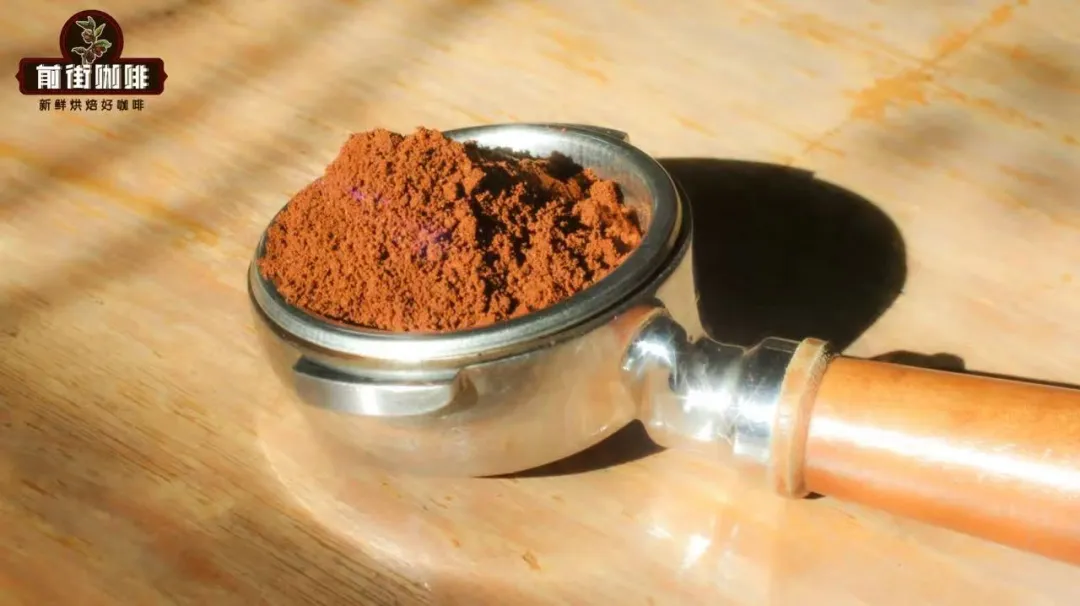
After the initial leveling, the next step is equally important—that is, performing a second redistribution of the coffee bed through appropriateshaking or light tapping of the portafilter.This step is often a turning point for many extraction issues, and improper handling can worsen unevenness.
Some people tend to grip the portafilter tightly and then knock it forcefully against the table or another surface, hoping to make the surface look flatter. But in reality, this action causes the coffee grounds to gather toward the direction of the knock. Although the surface may appear level, it actually creates a dense mass in one area, so that during extraction, water will only pass through these least-resistant spots, leading to obvious channeling.
The correct approach is:Hold the portafilter lightly and control the tapping force, focusing on slight shaking and minimal knocks.This allows the coffee grounds to redistribute evenly rather than concentrating in one spot. As a result, the internal density of the puck becomes more uniform, contributing to improved extraction stability and flavor balance.
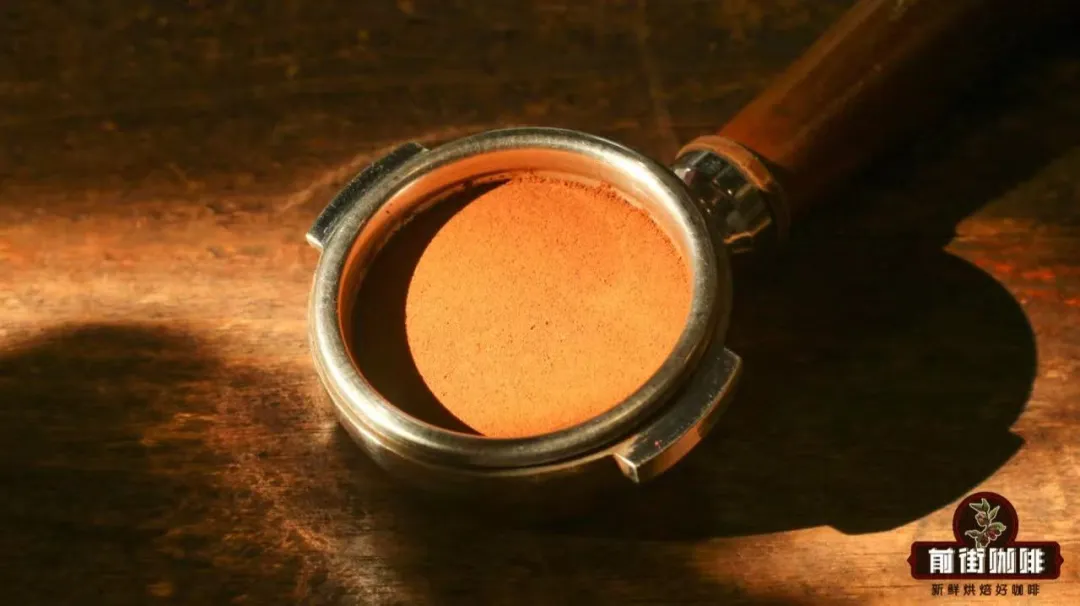
In summary, to avoid channeling during espresso extraction, the key isn’t whether the puck surface looks flat, but whether the coffee bed inside is uniformly distributed. By using the right dosing method, careful leveling, and proper secondary distribution techniques, you can effectively improve puck structure, ensuring each shot of espresso delivers more consistent and rich flavors.
The above content is compiled by CoffeeHunters, a coffee news website.


