







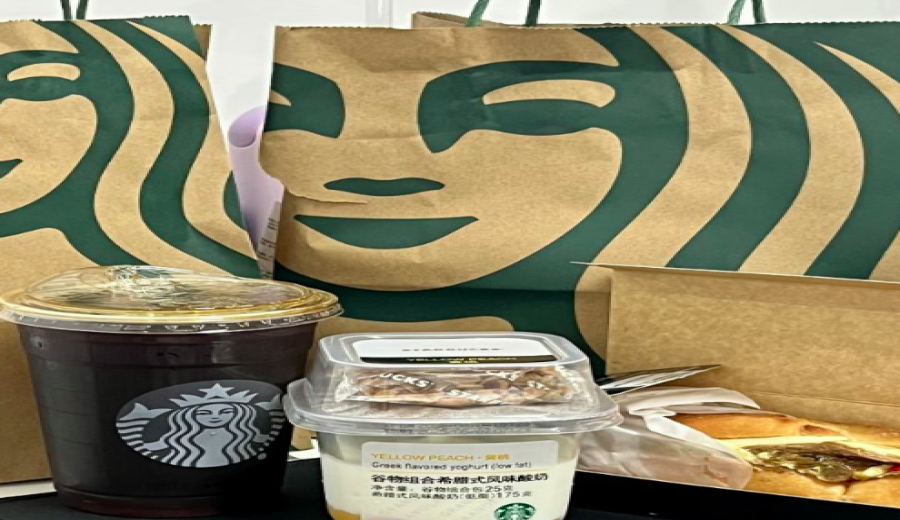
Introduction:When the subsidy war between JD.com and Meituan’s food delivery services spilled over to Starbucks, the usually high-priced coffee and pastries were slashed to astonishingly low prices thanks to stacked coupons. The rush of consumers led to many stores selling out of food items well before closing, while staff faced unprecedented pressure from the surge in orders. How is this platform competition reshaping the coffee delivery ecosystem? From consumer excitement to firsthand insights from frontline employees, we explore the industry shifts and practical takeaways behind the scenes.
The recent subsidy battle between JD.com and Meituan unexpectedly thrust Starbucks into the spotlight. Thanks to coupon stacking, breakfast combos that normally cost dozens of yuan were suddenly available for just over ten, with some customers even scoring Starbucks drinks for less than four yuan. Such steep discounts tempted even those who’d previously hesitated to try Starbucks pastries, driving them to join the buying frenzy.
Social media posts featuring order screenshots showed that “bread and coffee” combos, when combined with platform-issued discount vouchers, could be had for just over ten yuan. Some customers even shared that they purchased a Starbucks drink for just over three yuan, leaving many amazed with comments like “I never thought I could drink Starbucks at this price.” However, not everyone wanted multiple coffees, so some customers holding larger coupons such as “60 minus 25” or “60 minus 45” turned their attention to cakes and breads they’d normally consider too expensive.
These baked goods, originally priced mostly around seventy or eighty yuan, could now be taken home for just twenty or thirty yuan after discounts, making them popular choices for several days’ worth of breakfast or afternoon tea. As a result, many of Starbucks’ pastries, breads, and yogurts quickly became top-selling delivery items. Numerous stores ran out of food before closing time, putting up “no food items available” signs—a situation employees themselves described as “very rare.”
Starbucks’ baked products have always been priced on the higher side, and in the past, staff often had to deal with unsold, expired food at the end of each day. Now, seeing food cabinets empty much earlier, many employees remarked that it was “like a scene of great prosperity,” though they also expressed mixed feelings about this unusual phenomenon.
From a consumer perspective, the discounts brought by this platform battle are a welcome delight. Many netizens exclaimed, “Keep it up, JD.com and Meituan,” noting that with the discounts, the delivery prices of premium brands like Starbucks have drawn closer to those of budget-friendly ones like Luckin, making them more willing to try drinks or foods they wouldn’t normally buy. Many also pointed out that this delivery war not only boosted short-term sales for the brands but also helped attract a wave of new customers.
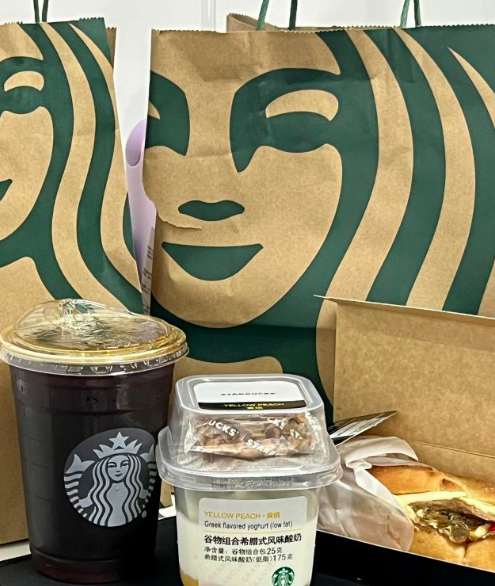
However, for frontline store employees, this battle has been a source of stress. Most employees reported that since the platform subsidies began, the number of orders they had to handle daily had multiplied several times over, leading to a sudden spike in workload. Some staff admitted that the recent workload had become overwhelming, joking, “While the platforms’ gods fight it out, the unlucky ones are us, rushing to prepare orders at the counter.” Many users on community platforms like Xiaohongshu have also shared similar experiences, highlighting the hard work of frontline employees.
This coffee delivery storm triggered by the subsidy battle has not only altered consumer purchasing behavior but also prompted the industry to re-examine the impact of platform competition on brands and employees. From astonishing discounts to food cabinet sell-outs, to the fatigue expressed by staff—the every aspect reflects the subtle changes within the coffee delivery ecosystem. For consumers, while enjoying the discounts, perhaps a bit more understanding for the hardworking individuals behind the scenes is also in order; for brands and platforms, finding balance amid competition will be a key point to watch moving forward.
The above content is compiled by CoffeeHunters, a coffee news website.


