







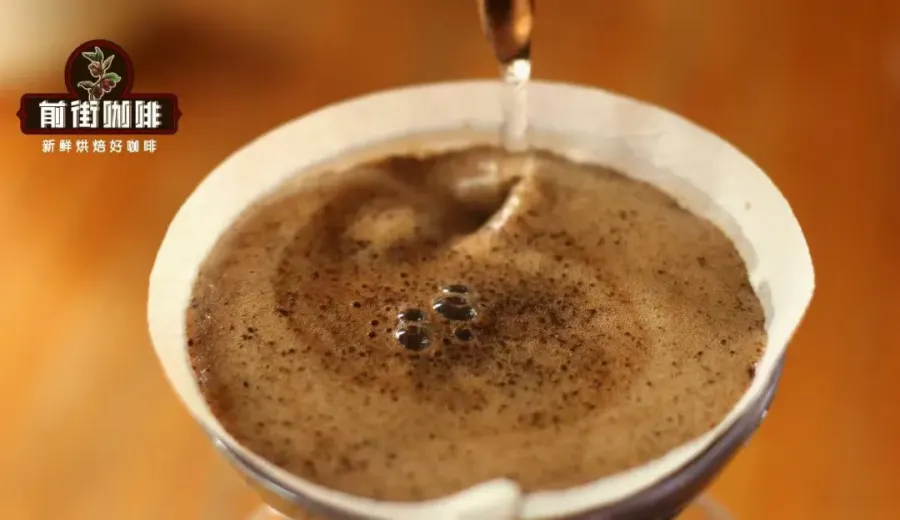
Introduction:The One-Pour Tornado is a visually striking and technically advanced pour over technique that creates a swirling current within the filter cone, delivering an extraction result distinctly different from traditional one-pour methods. This article delves into its operational principles, key differences from the three-pour method, and provides practical parameter examples to help you master this advanced technique, improving extraction stability and flavor expression.
In the world of pour over coffee, the "One-Pour" method is beloved by many coffee enthusiasts for its simple and smooth pouring technique. Evolving from this foundation, the "One-Pour Tornado" is an advanced approach that combines visual aesthetics with a unique extraction logic. By generating a distinct vortex effect in the filter cone, it influences the dispersion of coffee grounds and extraction efficiency. This article will detail the practical steps of this technique, compare it with the common three-pour brewing method, and analyze how adjusting grind size, water temperature, and filter choice can optimize overall extraction performance.
As the name suggests, the "One-Pour Tornado" builds upon the One-Pour method by using a specific pouring technique to create a tornado-like swirling motion within the filter cone. This rotation not only adds visual appeal but also alters the distribution of the coffee bed to some extent, thereby affecting the clarity and layering of flavors. However, this technique has certain requirements regarding coffee grounds density and roast level, and is particularly well-suited for low-density or dark roasted beans to achieve its full potential.
Compared to a standard One-Pour, the Tornado method is noticeably more challenging. There are two main difficulties: first, successfully creating a stable vortex in the filter cone, and second, maintaining good extraction efficiency even during fast pouring. Many who attempt it manage to get the water spinning, but often at the cost of uneven extraction, resulting in flawed final flavors. Therefore, mastering the correct pouring angle, water flow focus point, and pouring rhythm is key to achieving a successful Tornado pour.
How to successfully create a vortex in the filter cone?
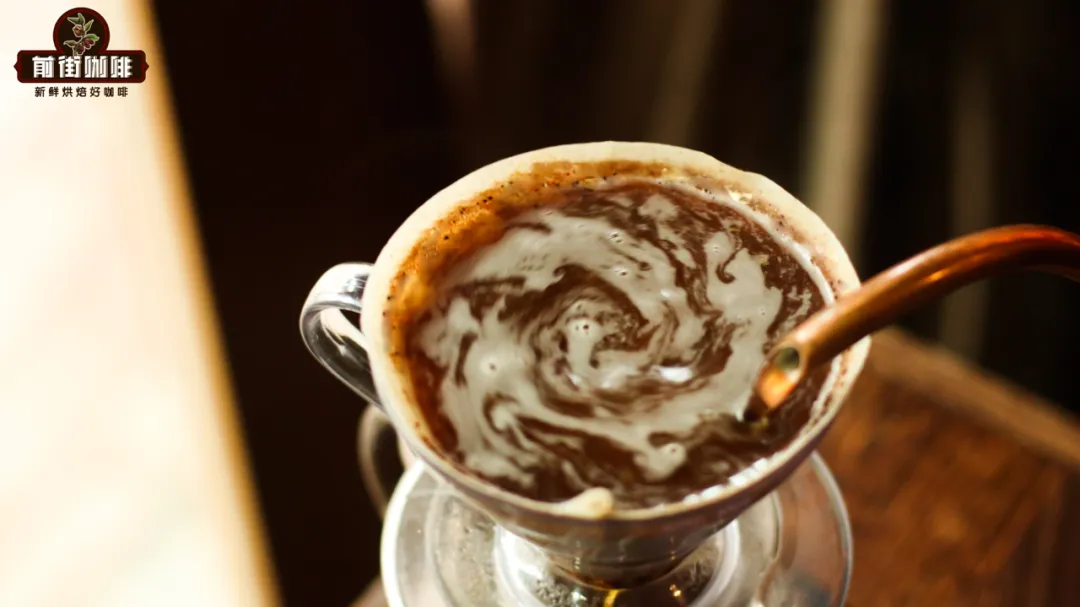
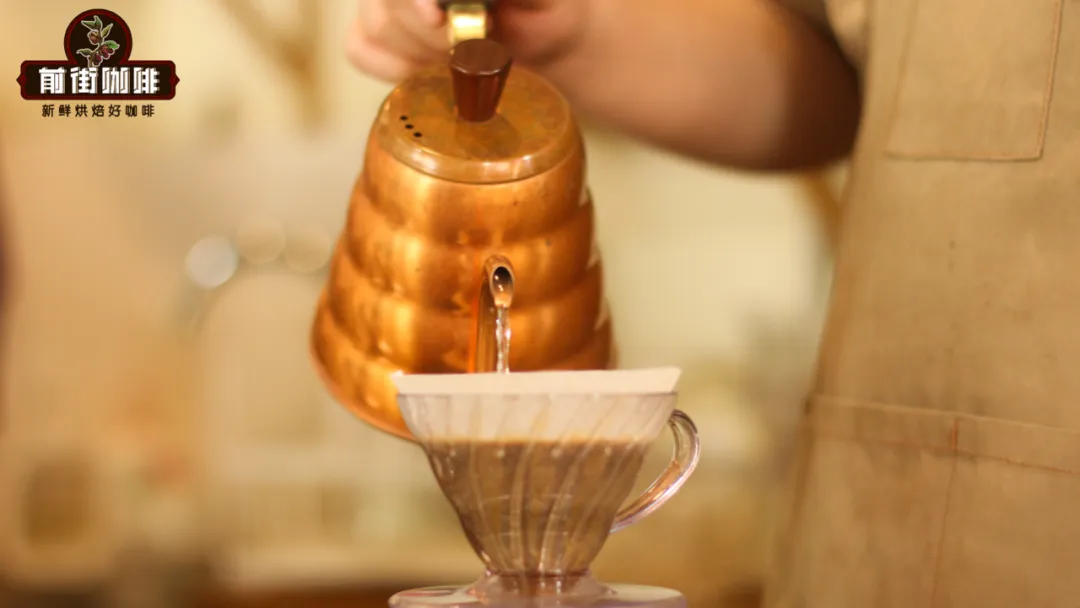
In practice, the vortex usually occurs during the latter part of the main extraction phase in the second stage of the One-Pour. At this point, a larger volume of water and a strong flow are used to drive the liquid’s rotation. The specific approach is to wait until the coffee bed has been initially lifted, then choose a fixed point and pour water in a targeted, fixed-location, and high-volume manner. "Targeted" means the direction of pouring should align with the circular motion of the rising coffee bed; "fixed-location" means focusing on a single point—though slight up-and-down movement is allowed, side-to-side shifting should be avoided; "high-volume" indicates both the pouring speed and water volume need to increase significantly.
However, many people attempting this step find that the vortex does not appear as expected. Common reasons include a poor pouring angle, ineffective water flow to drive rotation, or inaccurate pouring position. To improve success rates, try bringing the kettle spout as close to the edge of the filter cone as possible to reduce turbulence interference. Additionally, increasing the water volume in the kettle can boost water pressure. It's also recommended to pour the water at a slightly angled trajectory against the wall of the filter cone, using the collision between water and the wall to generate a reverse swirling flow, further encouraging vortex formation.
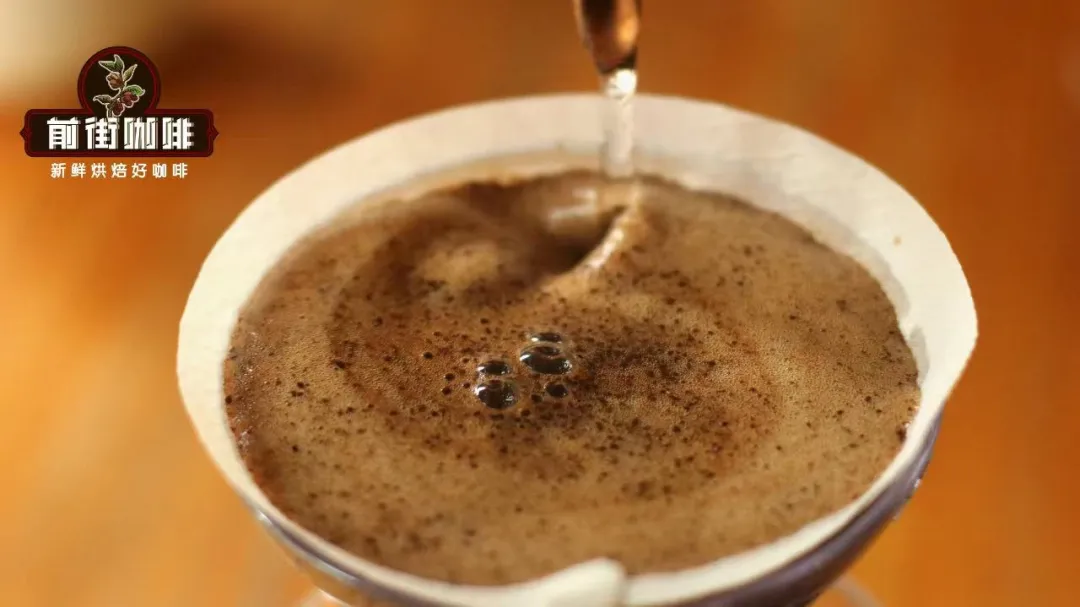
Be aware that this pouring method can easily produce what’s known as "bypass water"—hot water that passes through the filter paper without fully contacting the coffee grounds, which can lead to uneven extraction. Therefore, if choosing this method, it’s advisable to use a filter cone with fewer flow-guiding ribs and less bypass water, such as the Kono or Infinity dripper, which can effectively mitigate these issues.
Core Differences Between the One-Pour Tornado and the Three-Pour Method
Compared to the traditional three-pour or standard one-pour method, the Tornado’s biggest difference lies in its pouring strategy: the former emphasizes pouring a large volume of water in a short time to quickly form a rotation and mobilize the coffee bed, but this also significantly shortens the contact time between coffee grounds and hot water, reduces stirring frequency, and thus extraction efficiency is more easily compromised.
To compensate for this loss in extraction, adjustments can be made in areas such as water temperature, grind fineness, and filter choice. For example, moderately increasing the water temperature can accelerate the release of soluble substances, while adjusting the grind to a slightly finer setting helps prolong the contact time between coffee and water. Additionally, selecting a filter cone with a slower flow rate—other than the V60—can also help extend the overall extraction time, thereby improving the completeness of flavor extraction.
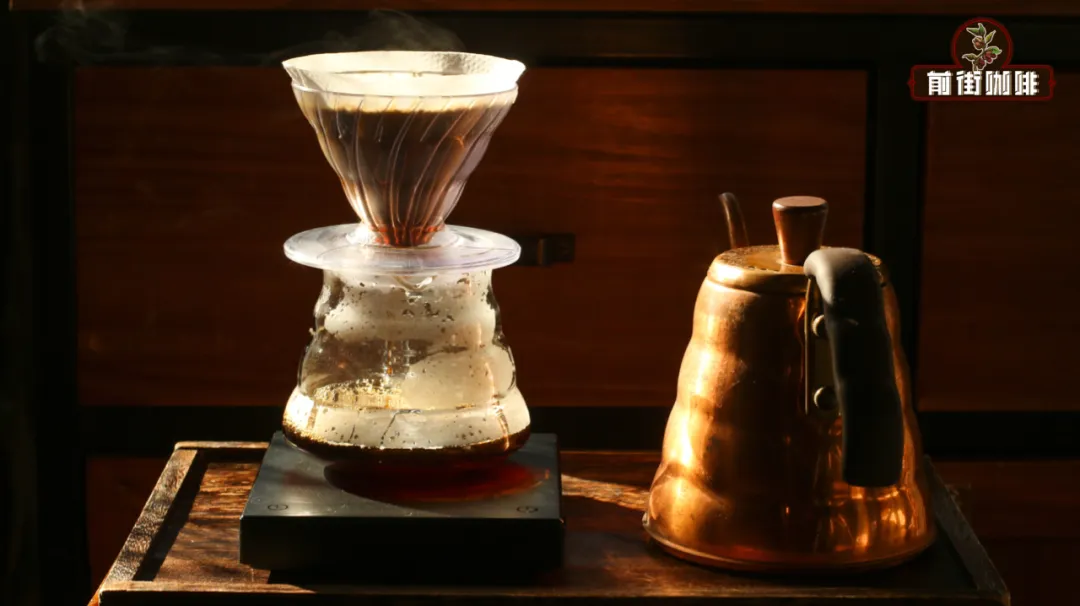
Practical Parameters and Brewing Process
Below is a set of parameters tested in practice and suitable for the One-Pour Tornado: using 18 grams of medium-roasted Panamanian Hua Hu Die (Butterfly) beans, with a 1:15 coffee-to-water ratio, ground at setting 7 on the Ek43 grinder (approximately 85% passing through a #20 sieve), and a water temperature of 96°C. Compared to a conventional One-Pour, these parameters feature a finer grind and higher temperature, aiming to compensate for the under-extraction caused by rapid pouring.
The first step of brewing is the bloom phase, using 36 milliliters of hot water—twice the coffee dose—for about 30 seconds to facilitate degassing. After blooming, proceed to pour the remaining 234 milliliters of hot water all at once using a large, wide circular motion. This pouring process is divided into two stages: first, raising the coffee bed to about half the height of the filter cone (approximately six-tenths full), and then, after the bed has risen, quickly locating a fixed point to create a vortex by pouring in a targeted, fixed-location, and high-volume manner.
Once all the hot water has been poured, simply wait for the coffee to finish dripping through before removing the filter cone. The actual measured total extraction time was about 1 minute and 34 seconds, with both concentration and extraction yield reaching certain levels—the extraction yield was 19.7%, indicating that the soluble substances in the coffee were adequately released. In terms of flavor profile, notes of white floral, citrus, honey, and green tea were clearly distinguishable, with an overall balanced presentation, though the mouthfeel was slightly thin, which could be improved by switching to a different filter cone.

In summary, although the One-Pour Tornado is more challenging both visually and technically, mastering the correct pouring techniques and adjusting extraction parameters will allow you to successfully wield this method and bring more variety and enjoyment to your daily pour over practice. Beginners are advised to practice the vortex pour with water first, ensuring stable control of the water flow before moving on to actual coffee, to avoid wasting materials and improve learning efficiency.
The above content is compiled by CoffeeHunters, a coffee news website.


