








Introduction:Want to quickly enjoy a pure-flavored milk-brewed coffee, but find traditional methods time-consuming and with a fermented aftertaste? In fact, by mastering milk temperature, grind size, and a few simple techniques, you can significantly shorten the brewing time and reduce unwanted fermentation notes. This article delves into the principles of milk brewing, how it differs from cold brew, and provides practical parameters such as 60–70°C milk and a fine grind, along with step-by-step instructions and filtration tips, helping you easily master this rich and smooth coffee drink.
Many friends who enjoy trying milk-brewed coffee often encounter the issue where traditional methods require long steeping times, yet the final product still has a noticeable fermented flavor, making the taste less satisfying. If you also want to reduce brewing time while minimizing that off-putting fermentation taste, the answer is actually quite simple—by adjusting the milk temperature and coffee grind size, you can effectively improve the result. This article will guide you through how to quickly extract a rich and delicious coffee using hot milk, including the ideal milk temperature range, selection of coffee grind fineness, necessary stirring and filtration techniques, along with a full demonstration and practical parameters to help you easily make a tasty and convenient milk-brewed coffee.
After trying it out, many have found that traditional milk brewing is not only time-consuming, but the resulting coffee often comes with a fermented taste that affects the overall flavor profile. This has led to searching for a faster and better-tasting method. In fact, by appropriately increasing the milk temperature and grinding the coffee finer, you can effectively shorten the extraction time while reducing undesirable fermentation notes. The reason traditional methods require long steeping is mainly due to the inherent properties of milk and the use of a coarser grind, which leads to low extraction efficiency—flavor compounds are slowly released over time, which can also easily produce a fermented taste. If you’re looking to get a fragrant, smooth milk coffee in a short time, simply adjust these two key parameters.
Although raising the milk temperature and grinding the coffee finer may seem simple, because milk and water have different physical properties, there are still many details worth paying attention to during actual brewing. Next, we’ll take an in-depth look at how to use these techniques to quickly brew a flavorful milk coffee.
To effectively shorten the extraction time, the first thing to adjust is the milk temperature. Similar to water temperature principles, the temperature of the milk directly affects how quickly flavor compounds dissolve in the coffee—the higher the temperature, the faster the flavors are released. However, higher isn’t always better; it’s recommended to keep the temperature between60°C and 70°C. Above 70°C, the internal components of the milk may be damaged by the high heat, leading to poor texture and aroma, and the taste may not be as smooth as at slightly lower temperatures. Even when cooled down, the texture doesn’t fully recover, as the high temperature causes irreversible changes to the milk’s composition. Therefore, choosing60-70°Cthis range not only helps flavor compounds dissolve quickly but also preserves the milk’s texture and aroma.
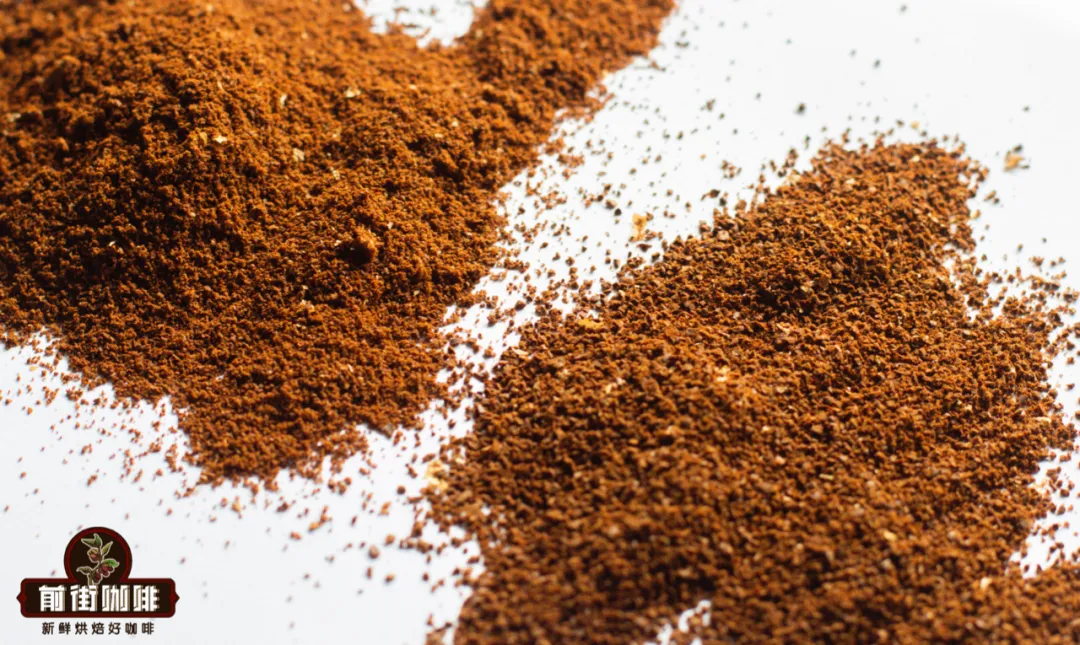
Another key adjustment is the grind size of the coffee. In principle,the finer, the better. The finer the coffee is ground, the larger the total surface area, which helps flavor compounds dissolve more quickly in the milk. There’s no need to worry about the coffee powder clumping due to being too fine and hindering extraction (this is more of a concern in cold brew, which you can refer to in related articles). Because the steeping time is relatively short, the coffee powder doesn’t have enough time to clump up, and the continuous flow of milk during the process aids even extraction. This is different from cold brew, which involves long static steeping.

To quickly complete your milk brew, besides temperature and grind, stirring is also a step that shouldn’t be overlooked. Because milk itself is complex in composition, its extraction efficiency is much lower than that of pure water, so timely stirring promotes the dissolution of flavor compounds, thereby improving overall extraction efficiency and shortening the required time. Additionally, the filtration stage also requires special attention to equipment selection. Since the immersion method is used, a filter is ultimately needed to separate the coffee grounds. However, milk is denser, and if using paper filters, the speed will be noticeably slower, requiring a longer wait. To speed up the filtration process—if conditions allow—it’s recommended to usea metal filter with larger gaps. Although some fine particles may still pass through, the filtration speed will be much faster. Note, however, that this method’s filtration effectiveness is slightly inferior to paper filters and may slightly affect the overall clarity of the coffee. Whether to use it can be decided based on personal preference.
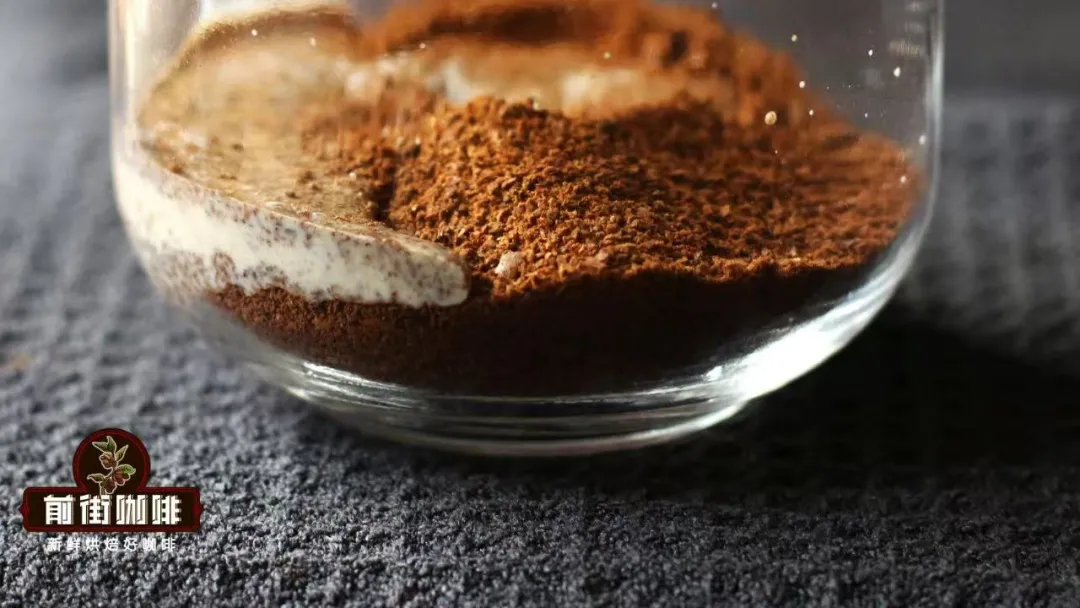
Here’s an actual brewing example: this time, we selected a medium-dark roasted coffee bean from Brazil's Queen Estate, which has a moderate roasted aroma that perfectly complements the sweetness of the milk. It has a soft flavor profile, featuring nutty, creamy, and chocolatey notes, making it very suitable for milk brewing. Of course, you can also switch to other beans according to your personal taste. The specific parameters used are as follows: coffee dosage25g, grind setting adjusted to Ek43’s7th notch(finer than typical hot brew grind, about 4 notches finer), coffee-to-milk ratio of1:13, milk temperature maintained between65°C and 68°C, with an overall steeping time set to10 minutes. First, grind the coffee and pour it into a container, then heat the milk to the specified temperature and pour it over the coffee grounds. Stir with any tool and start the timer. It’s recommended to cover the container during steeping to prevent dust from falling in and reduce aroma loss, and to stir again atthe 3rd and 5th minute. After 10 minutes, you can proceed to filtration.

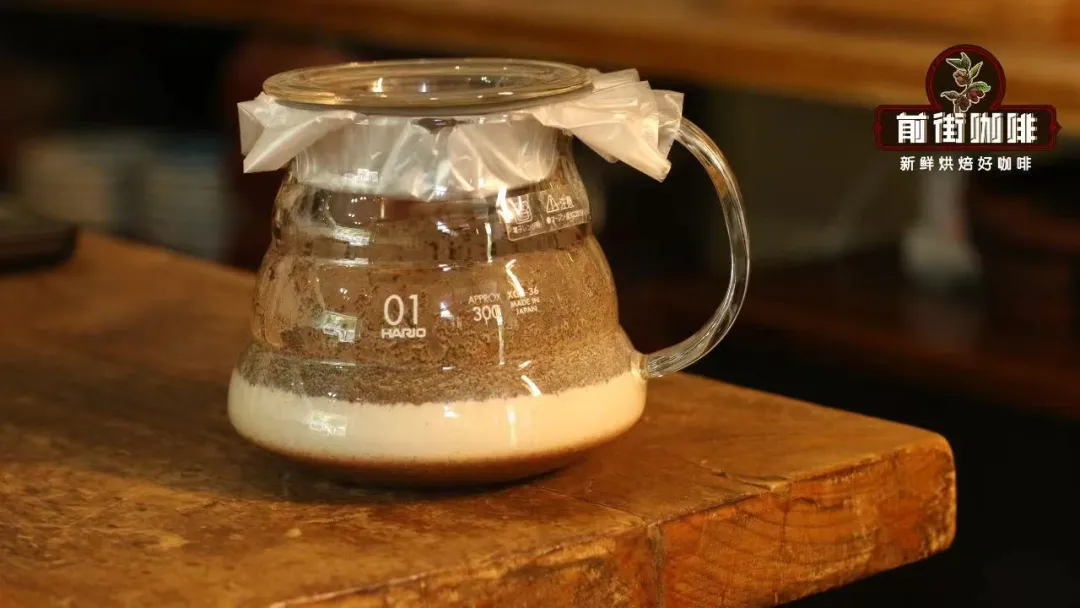
Once filtered, try this cup of milk-brewed coffee—the first sip reveals the perfect combination of “silky” and “rich.” The milk and coffee flavors complement each other, each highlighting their unique characteristics, with distinct nutty and chocolatey notes, a smooth and mellow mouthfeel, and a long-lasting aftertaste. The overall performance is surprisingly good. It’s important to note that although this method effectively increases extraction yield, it is still somewhat under-extracted, just relatively more than usual. We increase the coffee dosage to boost overall concentration, preventing the coffee flavor from being completely masked by the milk. Overall, this is a milk brewing method that is quick to make, easy to operate, and delivers excellent flavor—perfect for anyone wanting to quickly enjoy a rich, milky coffee.

The above content is compiled by CoffeeHunters, a coffee news website.


