







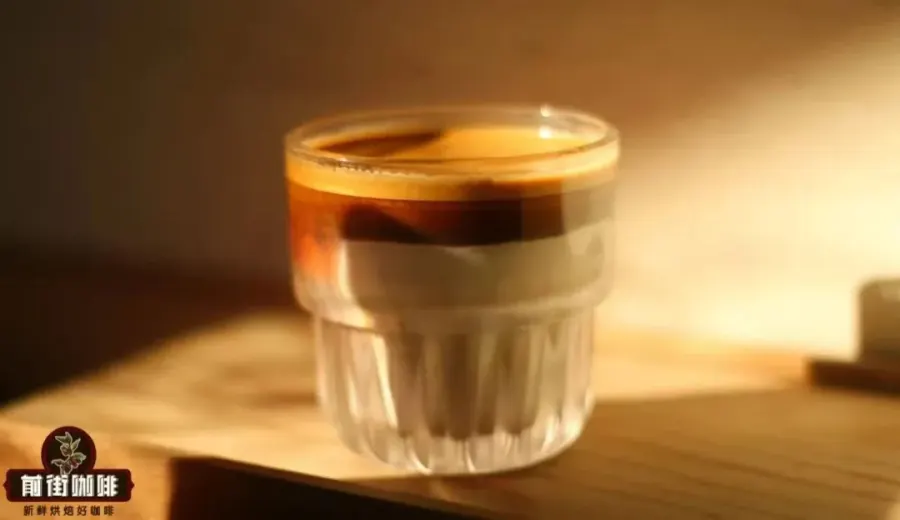
Introduction:Dirty coffee, with its visual and flavor double impact, has become a must-try beverage for many coffee enthusiasts. Among them, using an ice cup is crucial to maintaining the layered effect. But should you choose a chilled or frozen ice cup? This article conducts practical tests to deeply compare the two in terms of temperature difference performance, flavor presentation, and layering longevity, while also analyzing precautions when using a frozen cup and the best milk pairings, helping you master the essence of making this popular Dirty coffee.
Dirty coffee, with its striking appearance and the contrasting textures of hot and cold, has been widely popular since the rise of dirty drink trends and remains one of the signature offerings in many cafés even as of 2025. The charm of this creative combination of espresso and cold milk mainly comes from the strong contrast created by their non-mixing. From visual to taste, Dirty offers a unique drinking experience.
To maintain the layered effect between the espresso and milk, most shops use an ice cup. An ice cup helps delay thermal blending, thereby preserving the visual and textural layers of the coffee and milk. However, the choice between a chilled cup and a frozen cup often sparks debate. Some believe that a frozen cup, being colder, should better prolong layering, but the reality may not be as simple as imagined.
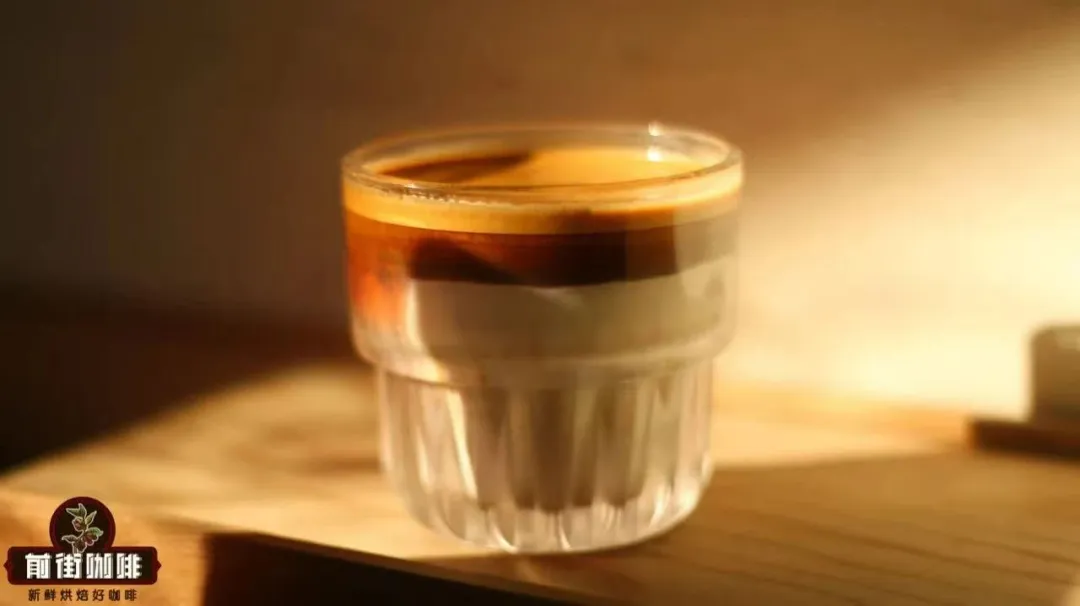
Generally speaking, most Dirty coffees on the market use chilled ice cups, which means pre-cooling the cup in a standard refrigerated environment (about 0°C to 4°C). However, some netizens and a few shops have started experimenting with freezing cups to even lower temperatures, such as the common -18°C home freezer or even extreme -86°C deep-freezing equipment, aiming to further enhance layering and texture. So, which method is superior?
To answer this question, this experiment compared chilled and frozen ice cups under the same conditions, altering only the cup temperature while keeping other factors constant — including coffee dosage (20g), extraction time (30 seconds), extraction yield (40ml), and the use of chilled milk (180ml). This way, the impact of ice cup temperature on the overall performance of Dirty can be observed more precisely.
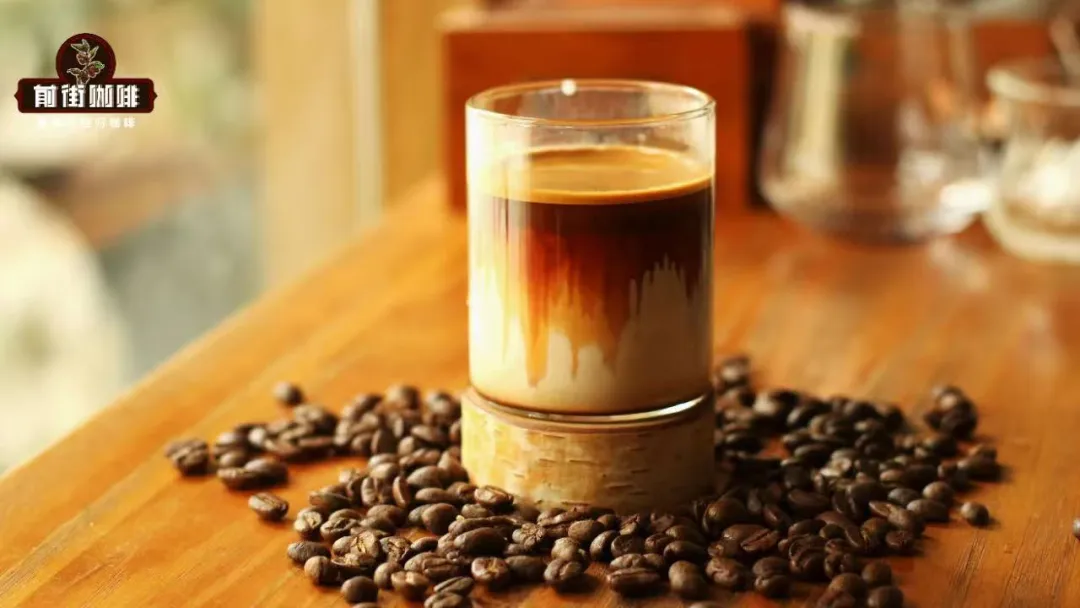
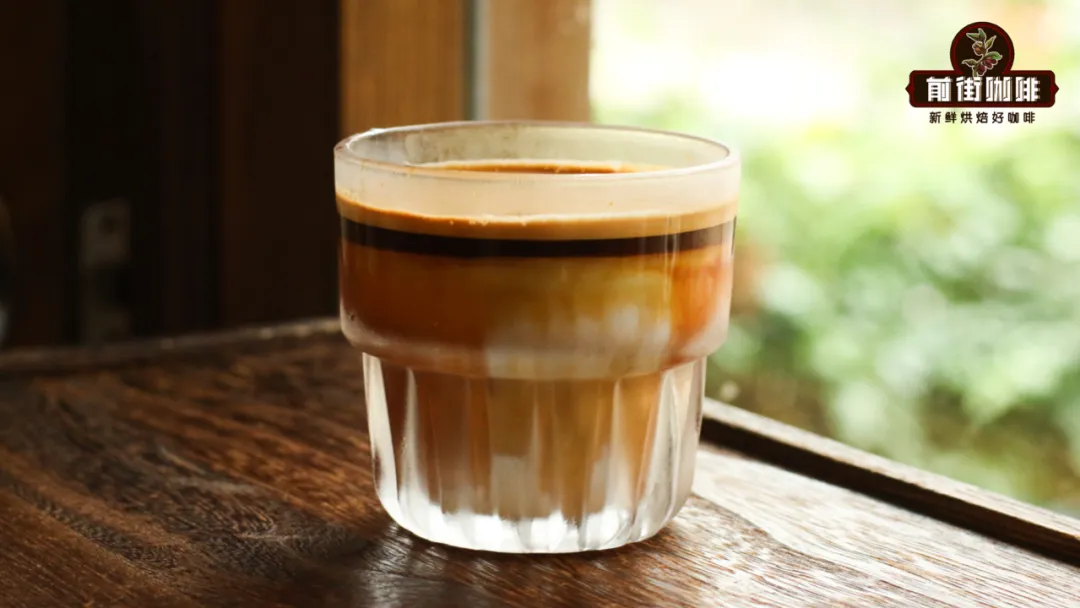
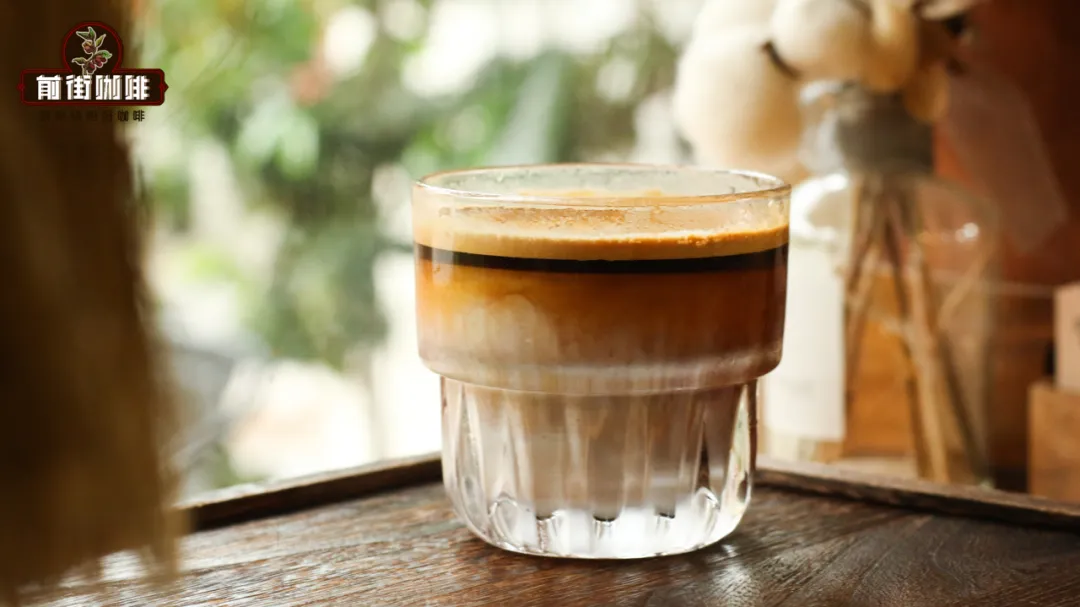
The experimental results showed that Dirty made with a chilled cup displayed a clear layered effect immediately after preparation. The first sip clearly revealed the richness and warmth of the espresso, contrasting with the coolness and smoothness of the milk. As time passed, although the temperature difference gradually narrowed, a good visual and basic textural layering was still maintained within 5 minutes.
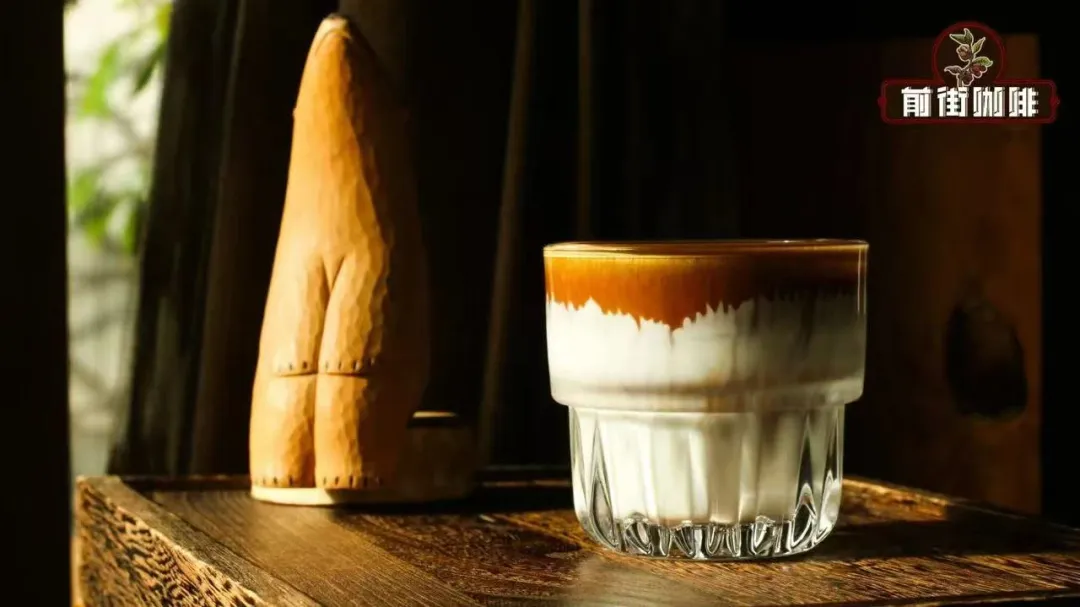
In contrast, Dirty made with a frozen cup delivered a much stronger initial sensory contrast due to the significantly lower starting temperature of both the cup and the milk, resulting in a more pronounced temperature difference between the espresso and milk. However, this advantage did not last long, as the milk’s own very low temperature (measured at around 1°C) not only affected aroma release but also led to an overall thinner texture and reduced smoothness. Moreover, the low temperature of the frozen cup accelerated the cooling rate of the espresso, resulting in noticeable blending of the layers within 1 to 3 minutes.

From both data and actual tasting experience, although the chilled cup does not achieve as astonishing an initial temperature difference as the frozen cup, it more stably maintains the layering effect and overall flavor balance. The frozen cup, while providing a stronger sensory stimulation in the first sip, leads to a decline in aroma and taste quality due to the excessively low milk temperature, and the layering also lasts for a shorter time.
Here’s a little scientific tidbit: when milk is below approximately 4°C, its density gradually decreases, which is actually not conducive to supporting a stable layering with the espresso. At the same time, overly low temperatures also inhibit the release of aromatic molecules in the milk, affecting the overall flavor complexity.
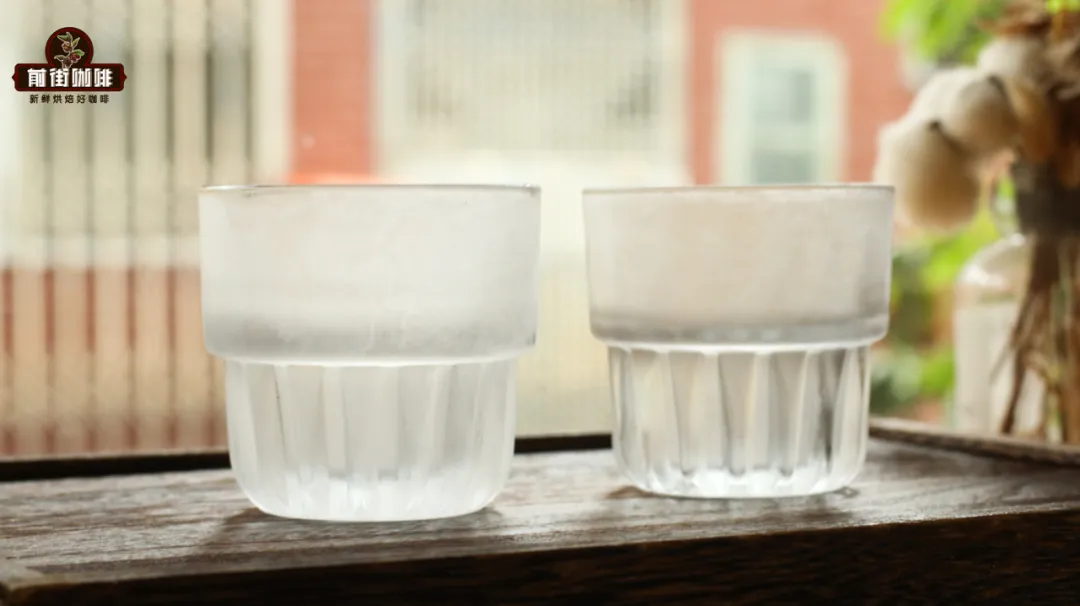
So, is the frozen cup completely unsuitable for making Dirty? Not really. If you choose the right milk and pay attention to some details, the frozen cup can still deliver decent results. In particular, using concentrated milk (i.e., a high-concentration, low-moisture dairy product) can effectively counteract the negative impact of low temperatures on taste and aroma. High-concentration concentrated milk, in a low-temperature environment, can instead present a firmer, smoother texture, reducing the “overly rich” or “heavy” feeling caused by extremely low temperatures.
Additionally, if you choose to try Frozen Cup Dirty, it is recommended to drink it more quickly. Low temperatures cause the espresso to cool rapidly, shortening the temperature difference window with the milk and significantly advancing the time when the layers blend. If you can finish it in one go at the moment when the hot-and-cold contrast is most pronounced, not only will you experience the best possible textural contrast, but you might also occasionally find slightly coagulated milk at the bottom of the cup due to the extreme cold — though not recommended for consumption, it can be considered a unique little surprise of the frozen cup.
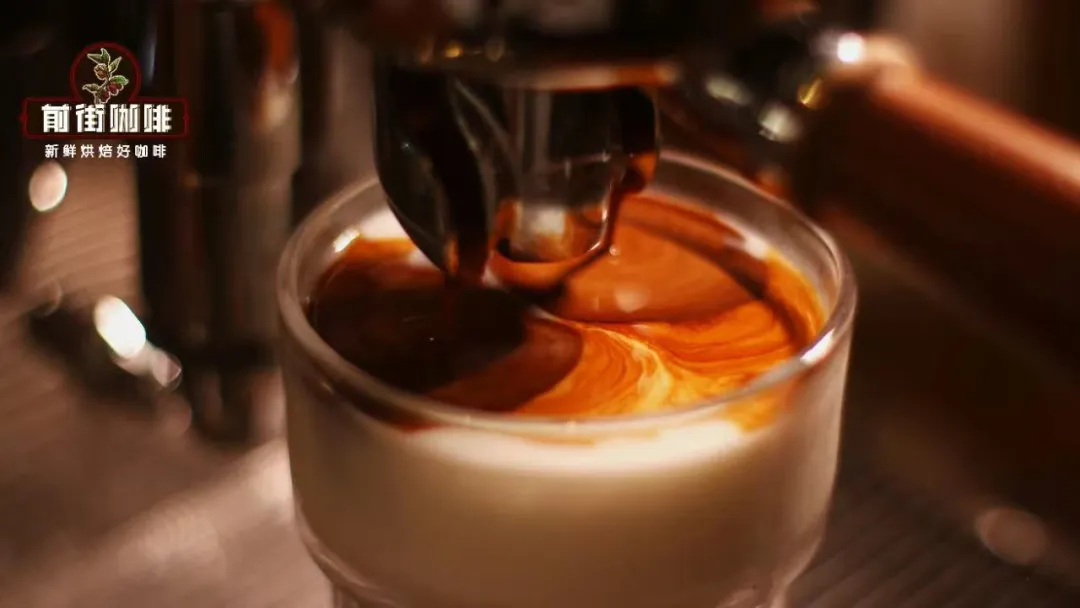
Finally, addressing some common concerns: when using a frozen cup, inadequate sealing or insufficiently dried cups may increase the risk of bacterial growth and can also lead to cup breakage in extremely low temperatures. Therefore, if you want to try -86°C ultra-frozen Dirty at home, be sure to use low-temperature-resistant cups and ensure they are completely dry and sealed before freezing.
In summary, the chilled ice cup is more reliable in stably maintaining the layering and overall flavor of Dirty, making it suitable for most consumers and shops; while the frozen cup, though able to deliver a stronger initial sensory impact, requires pairing with concentrated milk and attention to drinking timing to unleash its potential. No matter which method you choose, understanding the principles and details can help you enjoy this uniquely distinctive Dirty coffee more confidently.




The above content is compiled by CoffeeHunters, a coffee news website.


