







Introduction:The “egg-beating” pour over stirring technique has garnered significant attention in recent years, reportedly enhancing the sweetness of coffee. However, it can also lead to issues such as clogging and an overly heavy wateriness. A brand conducted three rounds of testing, adjusting variables such as blooming, brew ratio, water temperature, and grind size to explore the impact of this technique on flavor, and provided practical parameter suggestions to help you master this unique brewing method.
Pour over brewing methods continue to evolve, and one technique—“egg-beating stirring”—has recently re-entered the conversation. This method, which mimics the motion of beating eggs by quickly stirring the coffee grounds with chopsticks during the main extraction phase, is said to noticeably boost the sweetness of the coffee. To verify its actual effects, a brand carried out three rigorous comparative experiments. Starting with a medium-light roasted sundried Ethiopian bean without blooming, they gradually adjusted the brew ratio, introduced a blooming step, and thoroughly analyzed the relationship between grind size, water temperature, pouring technique, and flavor release.
Many coffee enthusiasts who have tried this technique reported a clear improvement in sweetness, but some also encountered slower drawdown, thin aftertaste, or even clogging. How exactly does the egg-beating stirring method work? What parameter adjustments can optimize the extraction results? This article will break down each round of experimental setups in detail—including the type of coffee beans used, dose, water temperature, grind setting, filter type, and specific pouring and stirring techniques—and compare the flavor differences with conventional three-stage brewing, helping you understand the pros, cons, and areas for improvement of this technique in practice.
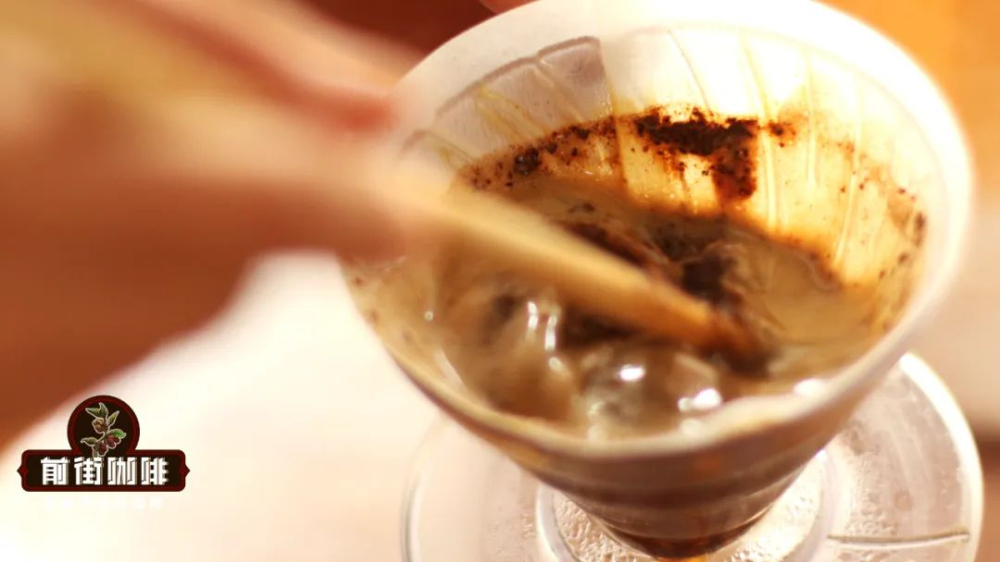
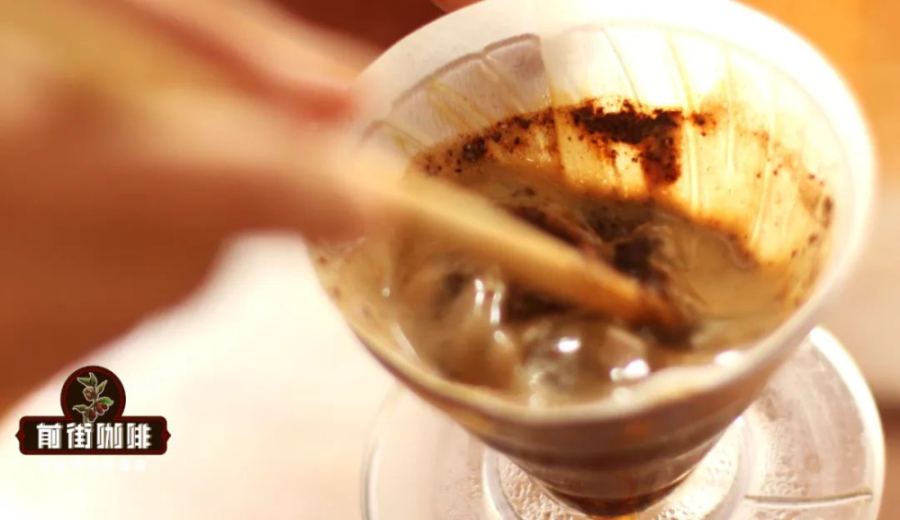
As the name suggests, the “egg-beating stirring method” draws inspiration from the rapid circular motion of chopsticks when beating eggs. After pouring water, the technique involves using chopsticks to stir the coffee grounds in a single direction deep within the bed, thereby disrupting the normal extraction rhythm and prompting faster dissolution of flavor compounds. Supporters of this method believe that acidity and sweetness in coffee are mostly released in the early to mid stages. By skipping the blooming step and stirring directly during the main extraction, these flavors emerge earlier, thereby enhancing overall sweetness. However, this approach can also lead to over-extraction or damage to the coffee bed structure, negatively affecting taste balance.
In the first round of testing, a brand selected a medium-light roasted sundried Ethiopian bean from Sidamo—ALo Hatessa. The dose was set at 15 grams, using a Hario V60 filter with an EK43s grinder setting of 10.5 (approximately medium-coarse), water temperature at 90°C, and a brew ratio of 1:16. Unlike conventional methods, the first stage skipped blooming. Instead, 150 grams of hot water were poured in a large circular stream, raising the liquid level to about four-fifths full in the V60, taking roughly 20–25 seconds.
Next, a pair of ordinary chopsticks were used to mimic the motion of beating eggs, stirring the grounds in a single direction for about 10 seconds. The coffee was then allowed to draw down. When the time reached 1 minute and 10–15 seconds and the coffee bed was about to become exposed, the final 90 grams of hot water were poured using a center-only method to avoid further accelerating the drawdown. The total extraction time extended to approximately 2 minutes and 30 seconds—noticeably longer than conventional three-stage brewing. For comparison, the same beans were also brewed using the brand’s standard shop parameters (1:15 brew ratio, 92°C water temperature, 10 grind setting, three-stage pouring of 30+95+100 grams).

In terms of flavor, the conventional group delivered clear citrus and passionfruit acidity, accompanied by tropical fruit aromas such as mango, pineapple, and lemon, with a milky candy-like sweetness in the aftertaste—overall balanced and layered. In contrast, the egg-beating stirring group did show more pronounced sweetness, with bright fruit notes like orange, blueberry, cantaloupe, black tea, and strawberry cream, but the acidity was weaker, the aroma less layered, and the aftertaste shorter. Some drinkers also detected a slight wateriness, making the overall profile seem somewhat thin.
To address the slow drawdown and flavor imbalance issues from the first round, the second test switched to a raisin honey-processed Mirassou Strawberry Candy bean, resetting the brew ratio to 1:15 while keeping other parameters largely unchanged to see if clogging and flavor problems improved. The results showed that the egg-beating stirring method in this round did not exhibit significant clogging, with an overall extraction time of about 1 minute and 51 seconds. Flavor-wise, the sweetness was extremely prominent, with almost no perceivable acidity—akin to directly tasting a strawberry-flavored candy. However, due to the lack of support from later-stage compounds, the overall taste remained one-dimensional, lacking complexity and lingering sweetness.
After the first two rounds, the team realized that a coarse grind and skipping the blooming step might prevent the full release of larger molecular compounds within the coffee grounds, thereby affecting the aftertaste. Thus, in the third round, the brand reintroduced the blooming stage, selecting a Panamanian washed Flower Dance bean with a more balanced flavor profile, hoping to unlock more flavor potential through the degassing process. The parameters were set as follows: 15 grams dose, 1:15 brew ratio, 90°C water temperature, EK43s grinder setting 10.5, using a Hario V60 filter. The pouring process was adjusted to: first blooming with 30 grams of hot water poured in a circular motion for 30 seconds, followed by 120 grams of hot water poured in a large circular stream with 10 seconds of simultaneous stirring, and finally the remaining 75 grams poured when the coffee bed was nearly dry. The total extraction time was approximately 2 minutes and 23 seconds.
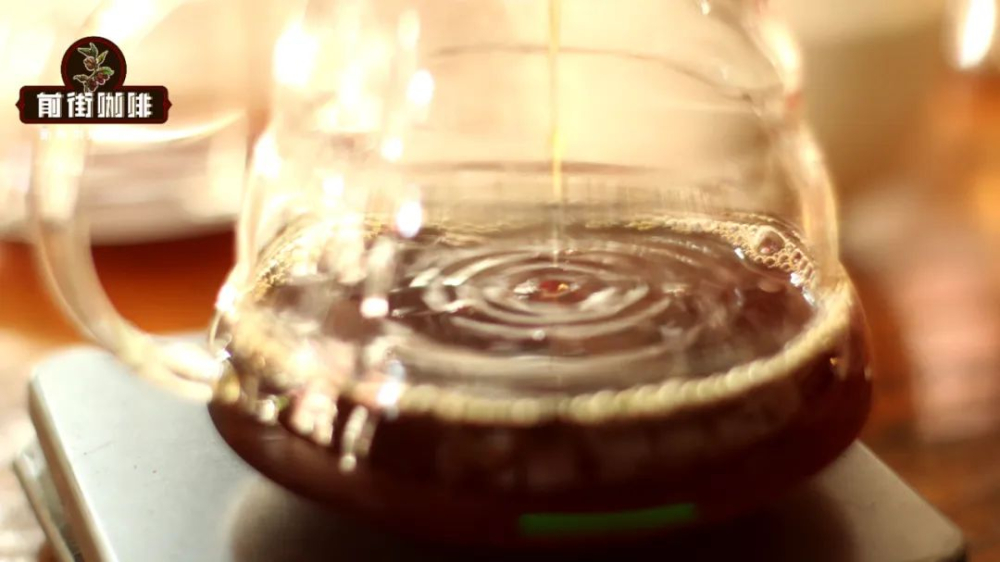
The results showed that adding a blooming step to the egg-beating stirring method not only effectively resolved the clogging issue, but also delivered a more complete flavor profile. The cup exhibited clear notes of citrus, grapefruit, cantaloupe, and sunflower seeds, with bright acidity, moderate sweetness, and a green-tea-like aftertaste that lingered. Both body and layering were superior to the previous two rounds. This adjustment proved that an appropriate blooming phase is crucial for maintaining the coffee’s aftertaste and overall balance—especially when using a stirring method, where the release of gases and larger molecular compounds from the coffee bed must be carefully managed.
The above content is compiled by CoffeeHunters, a coffee news website.


