







Introduction:A blogger resold Mixue iced lemon tea at a scenic spot at prices higher than the original, earning over 200 yuan in just three hours, sparking heated discussion online. Is such behavior legal? Can the brand restrict resale prices? Does using the brand logo constitute infringement? This article analyzes the compliance of secondary sales from a legal perspective and reminds consumers to be aware of related risks and responsibility allocation.
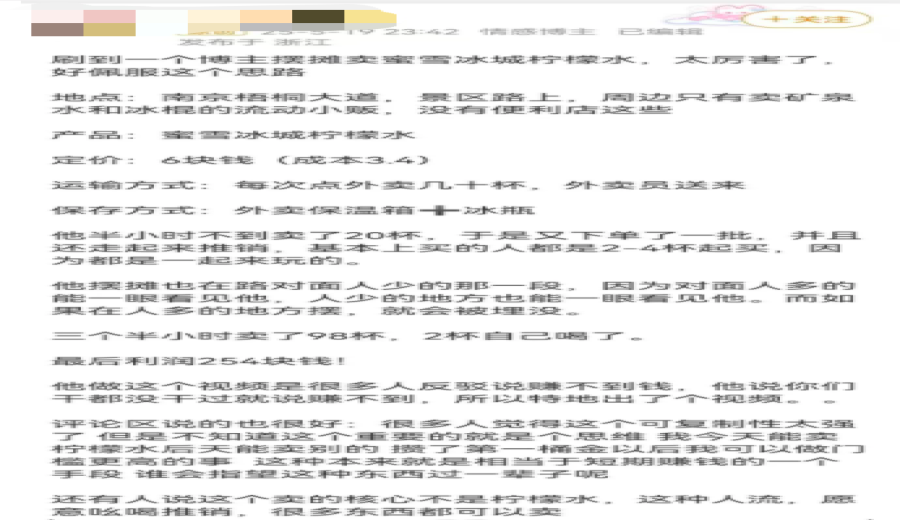
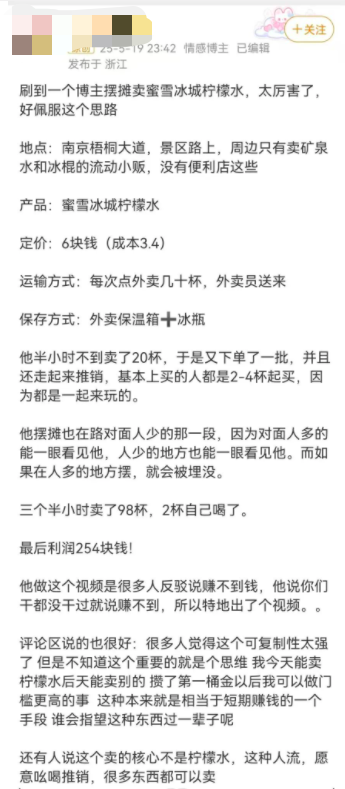
Recently, a video of a blogger setting up a stall at a scenic area to resell Mixue iced lemon tea has gone viral online. The blogger used a food delivery platform to order a large quantity of the lemon tea at once, then maintained its freshness with insulation equipment before reselling it at a price higher than the original. In just three and a half hours, they made a considerable profit.
It is understood that the blogger purchased the iced lemon tea at a cost of about 3.4 yuan per cup (original price 4 yuan) and sold them for 6 yuan each. Within three and a half hours, a total of 98 cups were sold (two of which were consumed by the blogger themselves), yielding a total profit of 254 yuan. While many netizens praised their business acumen, others raised questions about the legality of secondary sales.
After the video was exposed, public opinion was divided. Some believe that at high-traffic locations such as scenic spots, beverage prices are inherently higher, so 6 yuan for a cup of lemon tea is relatively reasonable. However, many also expressed concerns about whether such behavior violates relevant regulations, especially regarding food safety responsibilities and the use of the brand.
Some observers pointed out that in some regions of China, such as Henan and Sichuan, Mixue employees occasionally sell drinks from carts outside their stores, mainly in places with heavy foot traffic like parks or schools. These cases are usually permitted by the brand to boost sales, but the selling prices are generally consistent with those in-store and do not involve arbitrary price increases. As a result, the blogger’s price hikes have also led some to speculate whether this is the action of an individual employee.
In response to the incident, Mixue customer service stated that they had received related feedback and would hand it over to internal departments for verification to determine whether it was an employee’s unauthorized sale or a resale by an external party.
From a legal standpoint, professional lawyers analyzed that if the reseller purchased the goods through legitimate channels and did not engage in counterfeiting, price gouging, or infringement of others’ rights, it generally does not constitute a violation. However, if the reseller does not hold a business license or has not applied for relevant itinerant vendor permits as required, they may be in breach of local regulations governing mobile vendors.
The lawyer further explained that once a product is legally purchased and the transaction is completed, the consumer has the right to dispose of the product, and the brand has no authority to restrict individual resale behavior. If the brand attempts to control or limit resale prices, it may instead violate the relevant provisions on vertical monopoly agreements under the Anti-Monopoly Law.
In addition, regarding the reseller’s use of the “Mixue” brand logo and trademarks at their stall, the lawyer believes that if the purpose is merely to indicate the product’s origin, without any malicious intent to mislead or damage the brand image, and the usage is reasonable, it generally does not constitute trademark infringement.
This incident has also sparked public discussion on the distinction between outdoor sales by stores and individual price markups. For consumers, whether purchasing or reselling, attention should be paid to related legal responsibilities and food safety issues to avoid losing more than gaining.
The above content is compiled by CoffeeHunters, a coffee news website.


