








Introduction:Although cold brew coffee boasts a refreshing flavor, the filtering process often leaves people waiting anxiously, especially when making large batches. This article delves into the science behind how coffee’s finest particles clog filter paper and presents a comparative test of three professional barista-recommended methods to speed up filtration: pre-packed filter bags, coffee grounds pre-layering at the bottom of the filter paper, and the use of lab-grade vacuum filtration setups. These solutions help readers choose the most suitable method based on their needs and significantly improve cold brew efficiency.
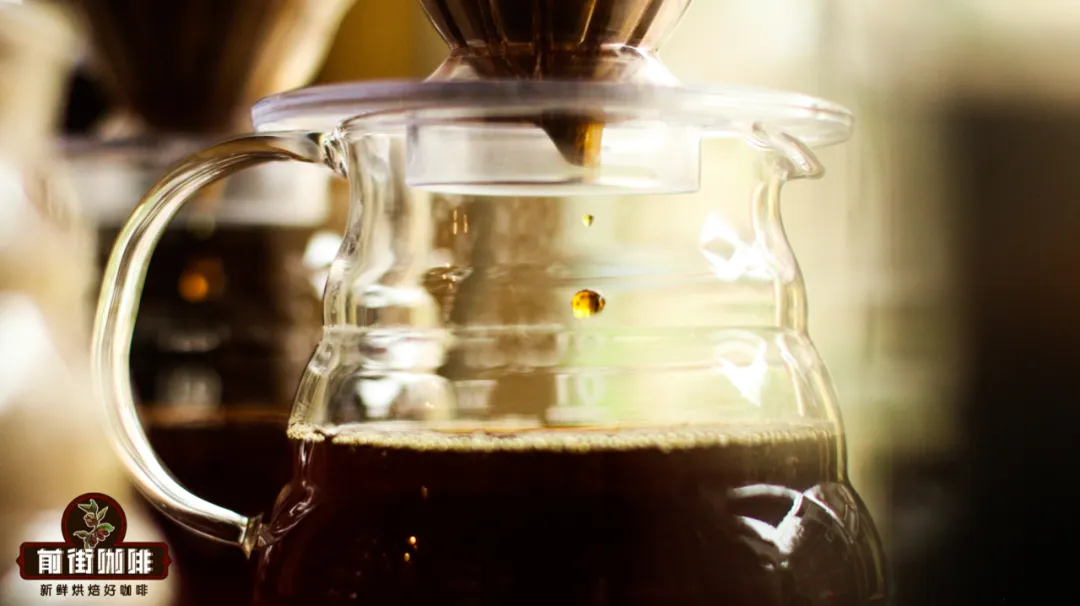
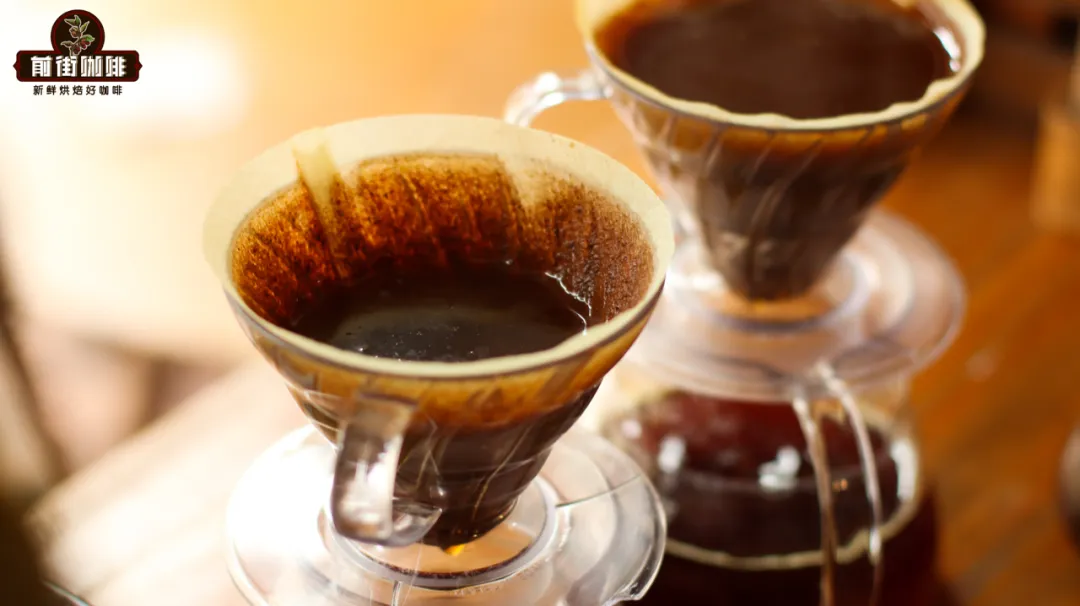
On hot summer days, homemade iced cold brew coffee has become the go-to choice for many coffee enthusiasts, but many find themselves battling a slow filtration process before they can even enjoy the flavor. Why is cold brew filtration so slow? The key lies in the microscopic fine particles in the coffee grounds that gradually clog the tiny pores of the filter paper, drastically reducing the space for liquid to flow through and leading to filtration times that can take hours or even longer.
If you’re only brewing a small cup of cold brew, waiting patiently might not be an issue. But if, like many home users, you’re accustomed to making several hundred milliliters or even over a liter at a time, the bottleneck in filtration becomes particularly evident. What methods can effectively shorten this wait? Below, we’ll introduce three practical and widely used techniques by professional baristas to speed up filtration, analyzing their respective pros and cons to help you make the best choice based on your actual conditions.

Method 1: Pre-packed Filter Bags or Cloth
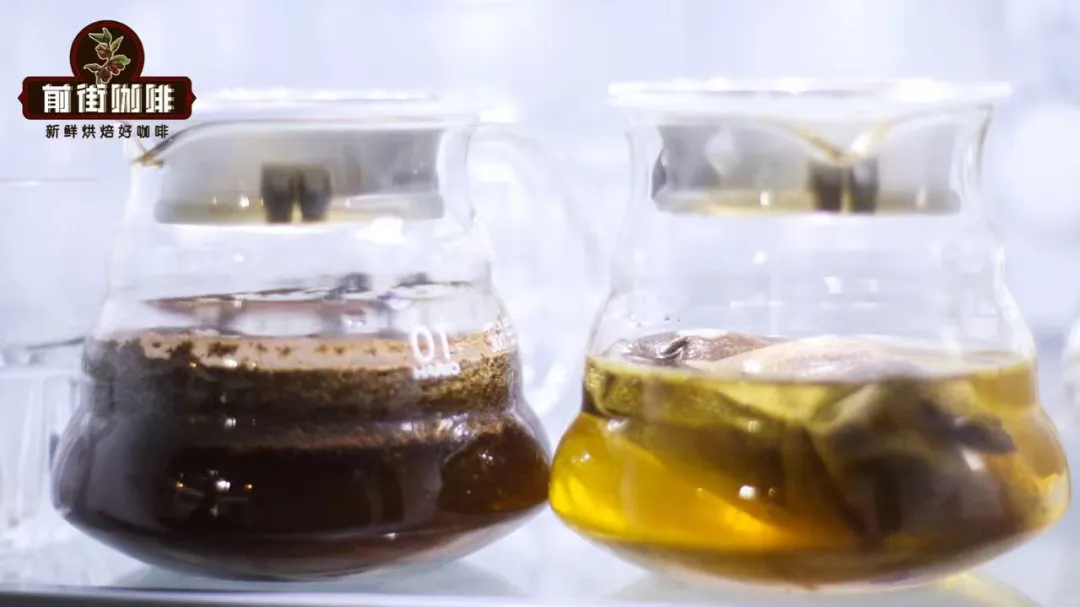
This is one of the most common and simplest solutions. The principle is to seal the coffee grounds in a dedicated tea bag, filter pouch, or fine filter cloth before brewing, then immerse the entire package in cold water. With this pretreatment, the coffee grounds remain enclosed within the filter material throughout the brewing process, eliminating the need for additional filtration steps and completely avoiding the problem of fine particles clogging the filter paper.
The advantage of this method is not only the elimination of a separate filtration step but also the effective maintenance of extraction efficiency, resulting in a final cup with richer and more robust flavors.But please note, filter bags or cloth cannot intercept all the finest particles like high-density filter paper can, and a small amount of fine sediment may still seep through, causing the coffee liquid to appear slightly cloudy. If you notice noticeable suspended particles in the final coffee, it’s recommended to give it a quick secondary filtration with regular filter paper, which usually takes just a few seconds to achieve a refined result.
Method 2: Pre-layering Coffee Grounds at the Bottom of the Filter Paper
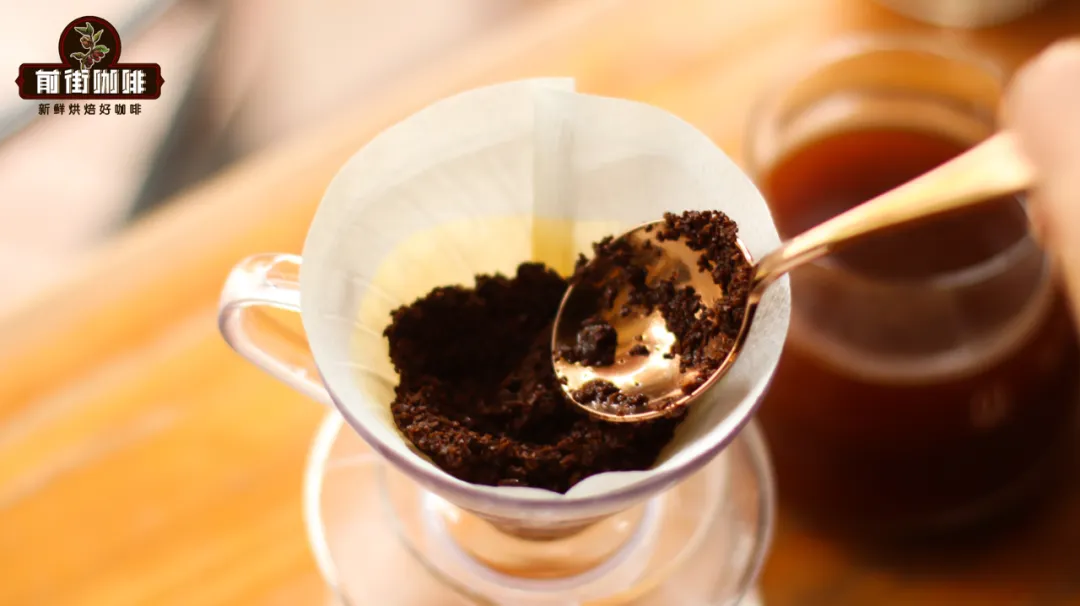
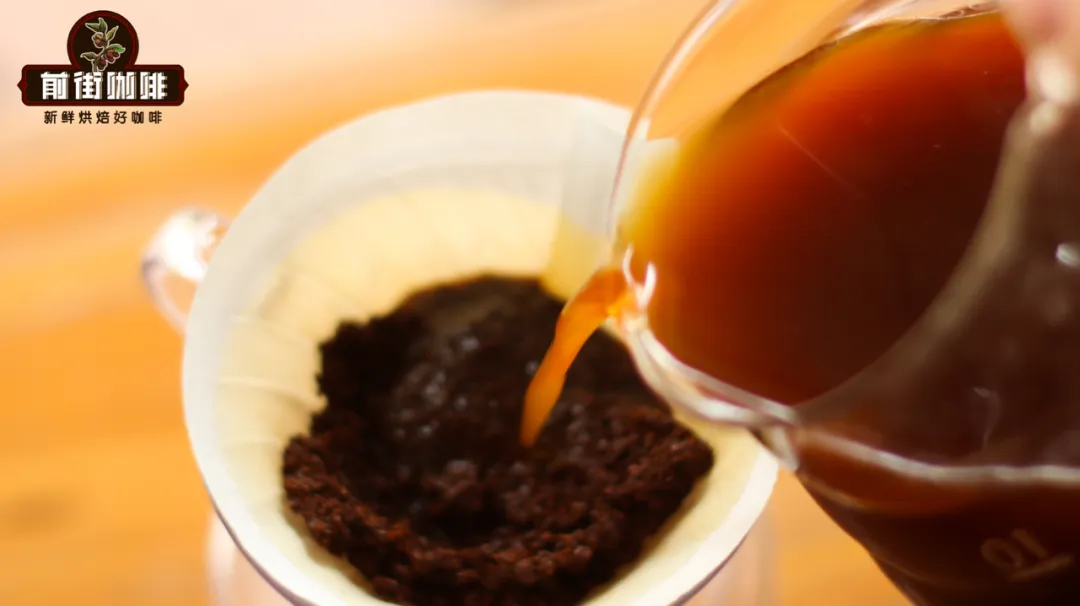
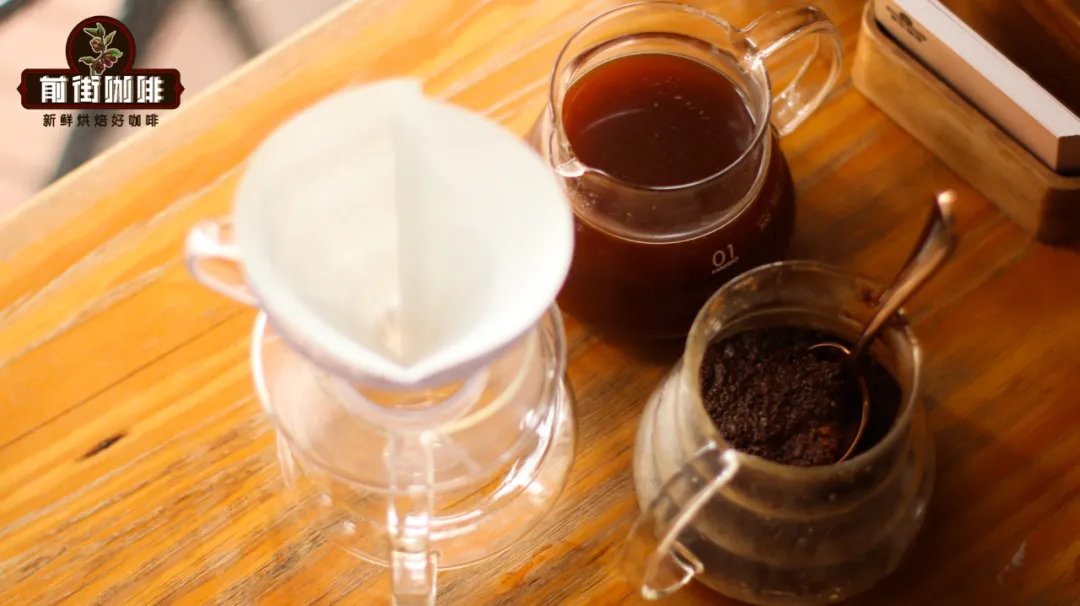
This counterintuitive method cleverly utilizes the concept of “using grounds to block grounds.” Before beginning the actual filtration, set aside a portion of already brewed cold brew temporarily, then place a fresh filter paper into the filter cone and gently layer a thin layer of original coffee grounds—ideally about half the depth of the filter paper—at the bottom. Pour the coffee liquid slowly onto the filter paper above.
According to practical testing, this method can double the filtration speed. The principle is that the pre-layered coffee grounds capture most of the fine particles first, reducing the chance of them directly accumulating on the filter paper and thereby maintaining a clear pathway for the liquid to flow through.However, be mindful of the operational details: you’ll need an extra container to catch the coffee liquid, and avoid pouring too forcefully, as this could disrupt the structure of the bottom coffee layer and cause the fine particles to mix back into the liquid, compromising the filtration effect.

Method 3: Applying Vacuum Filtration Equipment
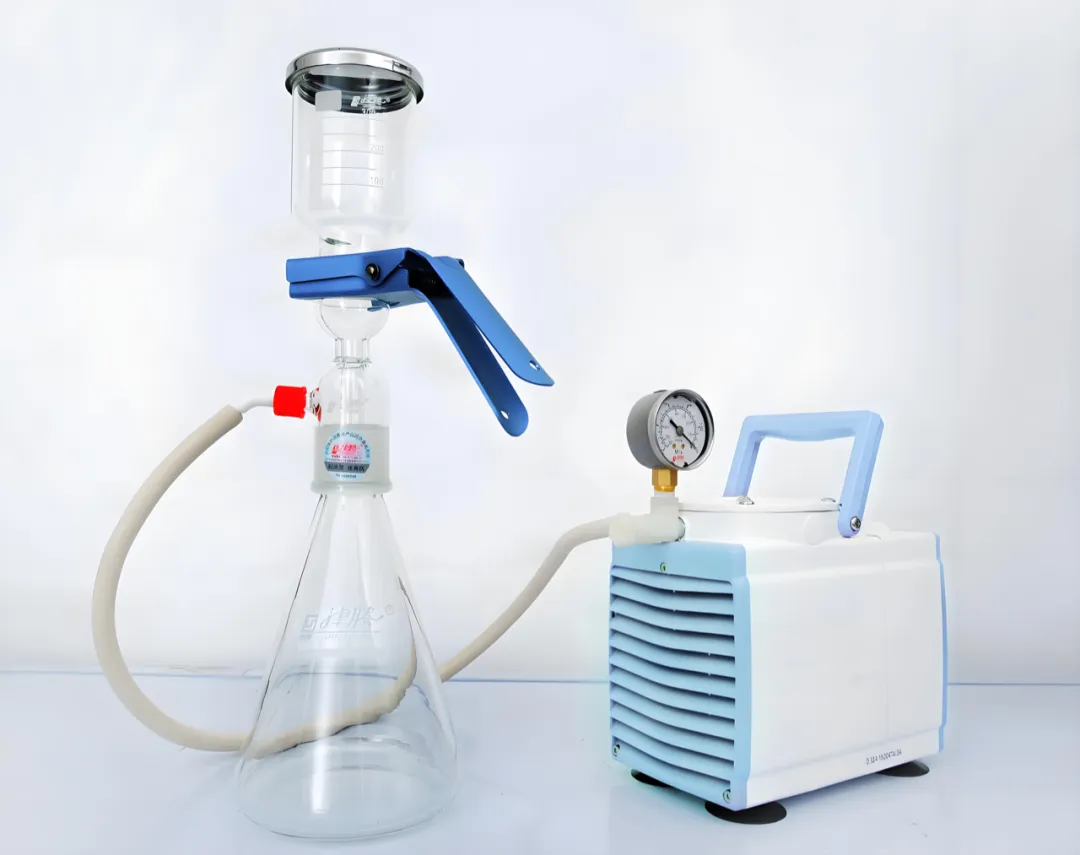
If you’re aiming for ultimate efficiency, consider using a lab-grade vacuum filtration system. This method employs a vacuum pump or suction device to create negative pressure inside the filtration flask, allowing the coffee liquid to quickly pass through the filter paper driven by the pressure difference, while the finest particles are effectively trapped. A typical vacuum filtration setup includes a Büchner funnel, filtration flask, and vacuum pump, with a total investment of around 100 to 300 yuan.
Although there’s an initial need to purchase equipment, vacuum filtration not only drastically reduces cold brew filtration time but can also be widely applied to other scenarios requiring precise filtration, such as milk clarification or processing special extraction liquids. For those frequently handling large volumes of coffee liquid or seeking operational efficiency, this is a highly worthwhile investment.
Other Useful Tips
Some readers may wonder if frequently changing the filter paper can improve filtration speed. In theory, replacing the filter paper each time can temporarily “reset” the filtration pathway, achieving a slight speed boost, but this approach significantly increases consumable costs and operational steps, yielding less overall benefit than the three mainstream methods mentioned above. After comprehensive comparison, whether you opt for filter bag sealing, bottom coffee layering, or a vacuum filtration device, all options outperform the traditional method of relying solely on a filter cone and paper. We recommend choosing the most suitable solution based on your equipment, batch size, and desired flavor detail.

The above content is compiled by CoffeeHunters, a coffee news website.


