







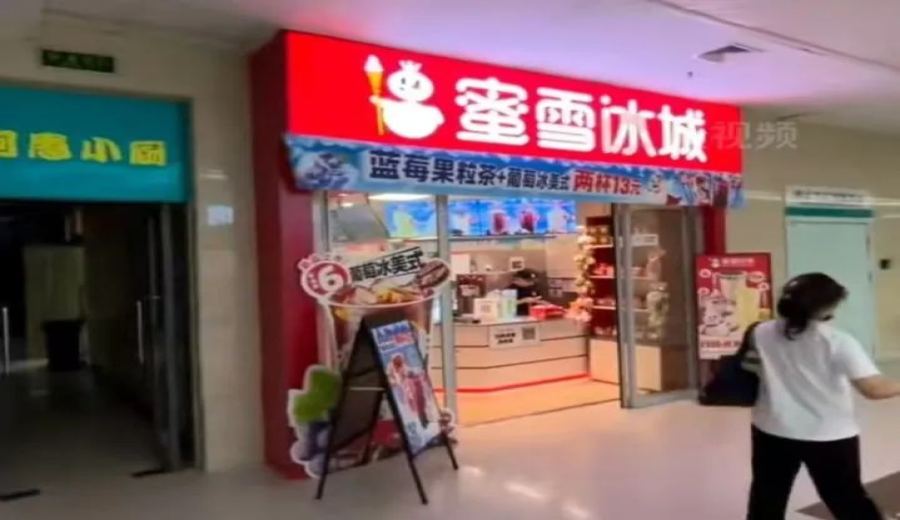
Introduction:Recently, news that a Mengniu Bingcheng (Mixue Ice Cream & Tea) store has opened in the surgical building of the new campus of Hefei Second People’s Hospital in Anhui Province has sparked heated discussion among netizens. In addition to Mixue, this floor also houses other chain brands such as Luckin Coffee and Laoxiangji, creating a unique commercial layout within a medical setting. This phenomenon has led many to ponder: is the introduction of food and beverage outlets in hospitals a convenience measure, or does it pose potential health and environmental risks? This article delves into the pros and cons and real-world impact behind this trend.
Recently, a video taken in the surgical building of the new campus of Hefei Second People’s Hospital in Anhui Province has gone viral on social media platforms. The footage shows a Mengniu Bingcheng outlet standing adjacent to the locally renowned Laoxiangji, both located near the elevator entrances on either side of the building, prompting netizens to jokingly refer to them as the “left and right guardians.”
According to the viral video, this Mixue store is situated on the first floor of the hospital’s surgical building, directly opposite the Laoxiangji outlet. Both are positioned near high-traffic elevator exits, making them easily noticeable to patients, family members, and medical staff during their daily comings and goings. Such a layout has surprised many passersby, with some even describing the scene as having a “surreal sense of reality.”
As the video rapidly spread online, more and more netizens began discussing whether it is appropriate to have chain food and beverage outlets inside hospitals. After verifying with the hospital, some media confirmed that in addition to Mixue and Laoxiangji, the surgical building also hosts other well-known chains such as Luckin Coffee, all of which are currently operating normally—indicating that this arrangement is not accidental.
Reactions to this phenomenon online have been diverse. Some netizens have made light-hearted remarks, commenting that “Mixue is truly everywhere,” with some even suggesting that products like milk tea and ice cream should be included in medical insurance coverage, allowing consumers to pay directly with their medical insurance cards—highlighting how deeply embedded such outlets have become in various aspects of daily life.
However, there are also many who have expressed skepticism and concern. From a health perspective, high-sugar and high-fat milk teas are not considered healthy beverages, especially in a medical setting where healthcare professionals typically advocate for reducing excessive sugar intake. As such, seeing Mixue set up shop inside a hospital has struck some as incongruous with the original purpose of a healthcare environment.
Furthermore, food safety and hygiene issues have also become a focal point of discussion. Many netizens worry that hospitals are environments with relatively high levels of pathogens, and if food outlets fail to strictly control hygiene standards, it could increase the risk of cross-infection. There are also concerns that the operation of these chain brands might introduce noise, affecting patient rest and the tranquility of wards, thereby disrupting the serene atmosphere a hospital should maintain.
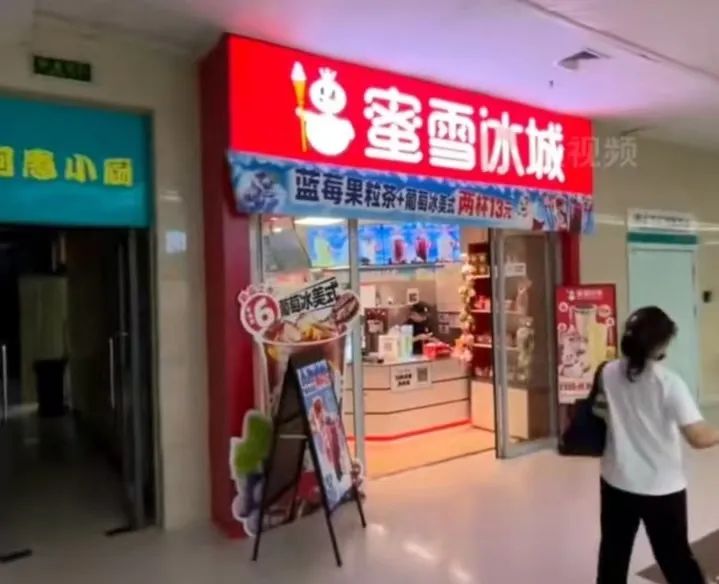
Nevertheless, many citizens who have personally experienced accompanying patients in hospitals hold positive views. They say that in the past, inpatient buildings often lacked convenient dining options. Family members who wanted a meal either had to queue at the hospital canteen or leave the premises to find a restaurant nearby—an extremely inconvenient process. Now, with the presence of chain brands like Mixue, Laoxiangji, and Luckin, not only are there more diverse choices, but it also saves a significant amount of time and energy.
Especially for family members who need to care for patients over long periods, being able to quickly purchase a drink or a simple meal within the building is undoubtedly a practical convenience. At the same time, for medical staff, being able to conveniently buy a cup of coffee or tea to perk up during busy shifts also helps relieve stress and maintain work performance.
Taking all opinions into account, although the establishment of chain food and beverage outlets in hospitals has sparked both positive and negative debate, most observers believe that as long as proper management is in place regarding food safety, environmental cleanliness, and noise control, such commercial layouts offer more benefits than drawbacks for patients’ families, caregivers, and medical teams. Moving forward, as healthcare environments trend toward more human-centered designs, how to balance medical professionalism with everyday needs will remain an ongoing consideration for hospital administrators.
The above content is compiled by CoffeeHunters, a coffee news website.


