







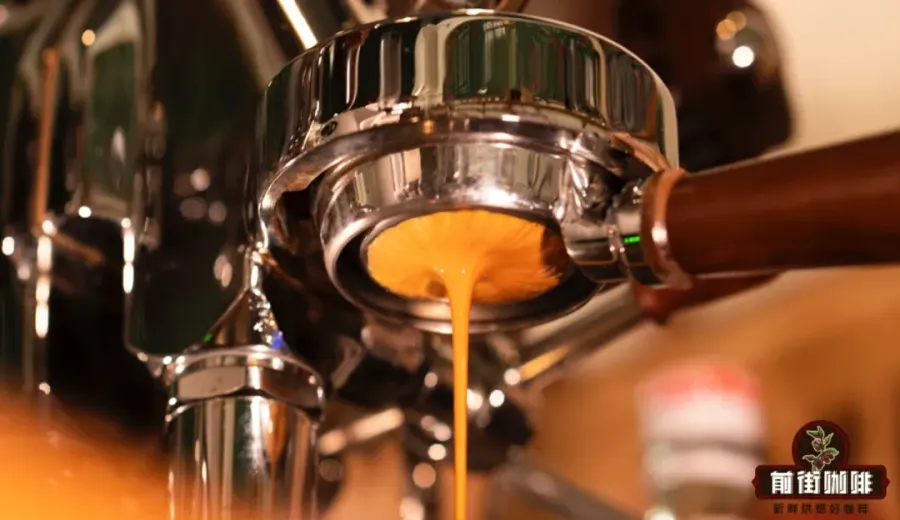
Introduction:Have you noticed that even when using the same coffee beans and machine, the flow rate of your espresso can fluctuate from time to time? Aside from bean aging, hidden variables such as grinder retention, water temperature fluctuations, unstable pressure, environmental factors, and machine puck pressure management all play crucial roles in affecting extraction. This article takes an in-depth look at these often-overlooked details, offering practical solutions to help you precisely control extraction parameters and enhance the consistency and stability of every shot of espresso.
Many coffee enthusiasts frequently encounter a common issue during daily extraction: even when using the same coffee beans and the same coffee machine, the flow rate of the espresso can vary dramatically—sometimes fast, sometimes slow—with noticeable differences appearing within just a few hours or even minutes. This instability is not only related to the natural aging characteristics of the beans but is more often caused by less obvious hidden factors. These include residual coffee grounds inside the grinder, subtle fluctuations in hot water temperature, unstable pump pressure, changes in ambient temperature, humidity, and air pressure, as well as the stability of puck pressure within the shop environment. While these variables may not drastically alter the final flavor, they are enough to disrupt extraction consistency, leading to variations in flow rate and taste between shots.
Understanding these potential influencing factors helps us adjust the extraction process more accurately, avoid ineffective fine-tuning of parameters, and ultimately improve the overall quality and stability of espresso. Next, we will explore the mechanisms behind these five hidden variables one by one and provide specific improvement suggestions.
1. The Problem of Grinder Retention
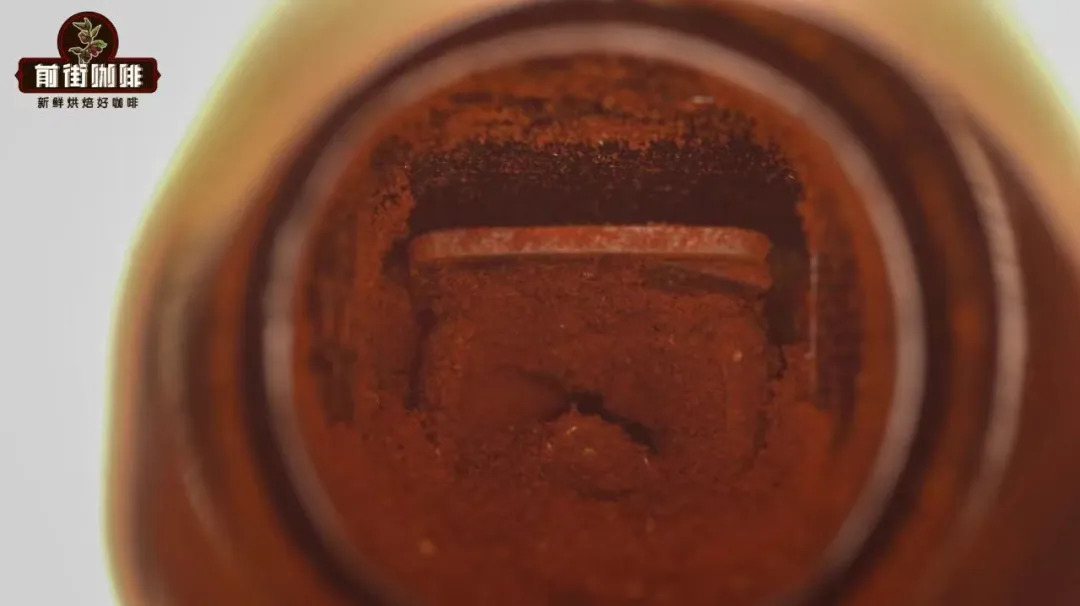
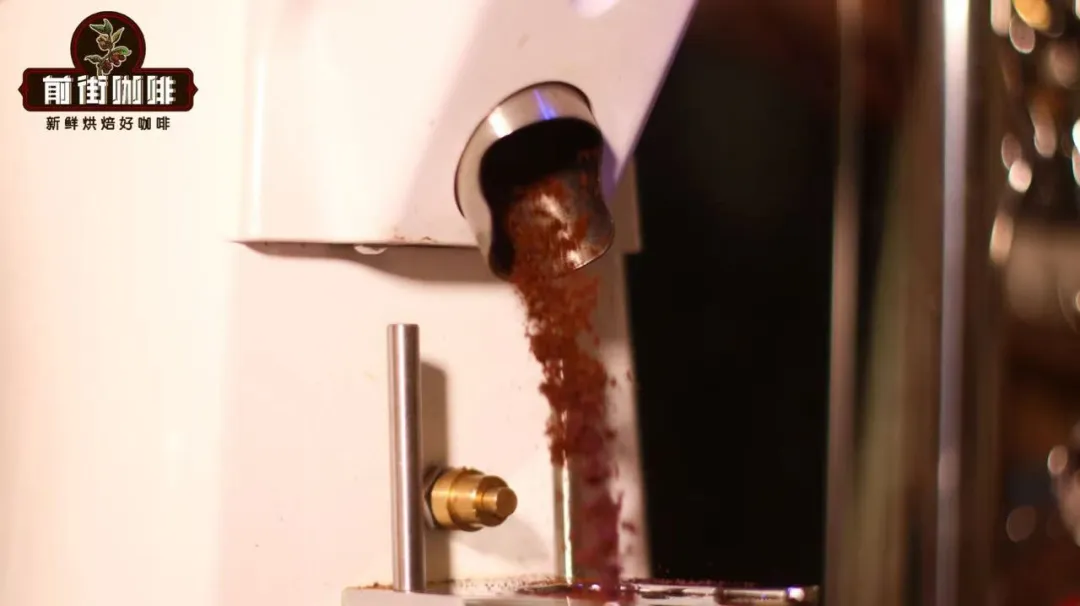
Whether using a timed or dose-based grinder, some coffee grounds always remain inside the grinding chamber after each grind due to static electricity or the machine’s structural design. According to test data, this residual “old coffee” typically amounts to about 1 to 4 grams. After grinding, the originally compact structure of the coffee beans is disrupted, significantly increasing the total surface area and making it easier for contained carbon dioxide and aromatic compounds to volatilize. If these residual grounds are not used immediately but are left in the channel for some time, their volatile substances will gradually dissipate. This not only affects the intensity of the final extracted aroma but may also alter the flow rate performance due to insufficient carbon dioxide, resulting in uneven extraction.
To avoid interference from retained grounds, it is recommended to clean out the old coffee in the channel when there is a long interval between grinds, ensuring that each extraction uses freshly ground coffee to maintain flavor consistency and extraction stability.

2. The Impact of Coffee Machine Water Temperature Fluctuations
In addition to the grinder, the hot water temperature of the coffee machine itself is another critical variable affecting extraction. When the machine has not been used for an extended period, the temperature of the water delivered to the group head may fluctuate due to environmental heat dissipation or the machine’s insulation performance. Research shows that water temperature directly influences the dissolution rate of flavor compounds and the efficiency of carbon dioxide release—higher temperatures accelerate CO₂ release, while lower temperatures slow it down. The amount of CO₂ released, in turn, affects the machine’s ability to build pressure and overall extraction performance.
If the machine has been idle for a long time before extraction, it is recommended to perform a pre-brew (i.e., releasing a small amount of hot water without placing a portafilter) to balance the water temperature and clear any coffee residue that may be attached to the group head, providing a more stable foundation for subsequent extractions.
3. Pressure Instability and the “Pump Warm-Up Period”
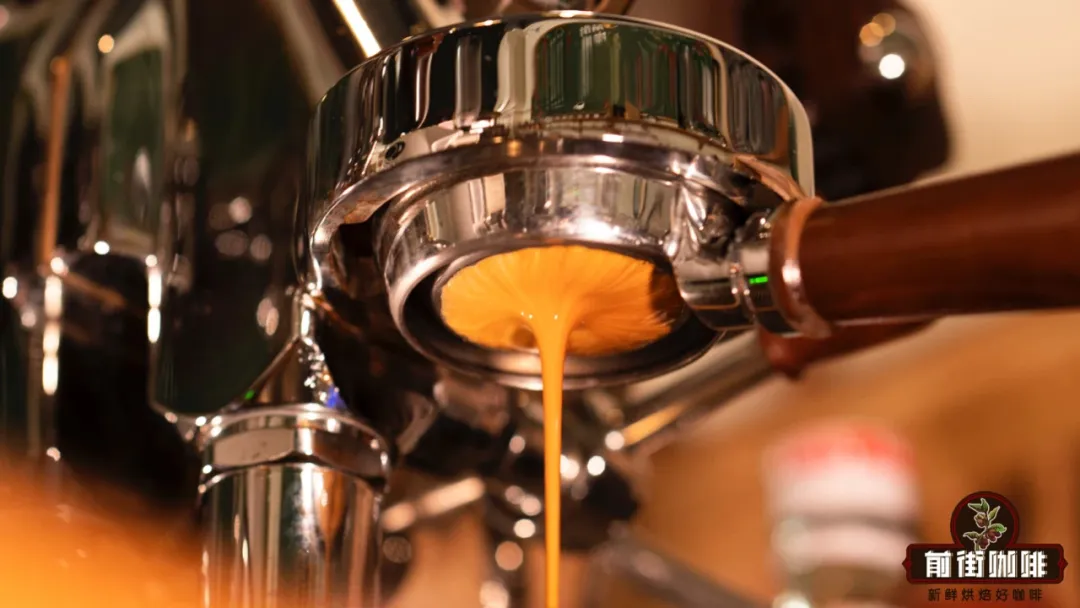
Pressure is one of the core parameters in espresso extraction, and its stability directly determines flow rate and extraction uniformity. However, when a coffee machine has not been used for more than 30 minutes, the pump may be in a “sleep” state or not fully stabilized, causing noticeable differences in flow rate between the first shot and subsequent ones. Even with freshly ground coffee and preheated water, the first shot’s extraction performance may still be distorted due to unstable pressure.
Many operators mistakenly use the first shot’s extraction parameters as a benchmark, only to find after multiple attempts that stable extraction actually occurs from the second shot onward. To reduce this error, it is recommended to “wake up” the pump with a blind shot (an extraction without a portafilter) before formal brewing, allowing the pressure system to stabilize before actual extraction. This ensures the accuracy of parameter adjustments.
4. Environmental Variables: Humidity, Air Pressure, and Seasonal Effects
Environmental factors such as temperature, humidity, and atmospheric pressure can also subtly disrupt espresso extraction. For example, in high-humidity environments, freshly ground coffee is prone to clumping due to moisture absorption. If not sufficiently shaken out before tamping, the coffee puck may develop “channeling,” leading to uneven extraction. Additionally, on rainy days or in low-pressure conditions, the reduced atmospheric pressure weakens the machine’s ability to extract based on relative pressure differences, making it more challenging to maintain stable pressure.
Although these environmental variables are difficult to fully control, it is recommended to regularly monitor extraction flavors (e.g., every four hours) and make timely parameter adjustments to address potential impacts of environmental fluctuations on extraction stability.
5. Grinder Puck Pressure Management: The Foundation of Stable Extraction
For shops or high-frequency usage environments, the stability of puck pressure inside the grinder bean hopper is crucial. Puck pressure refers to the downward force exerted by the stacked coffee beans in the hopper. Appropriate pressure ensures that beans are uniformly compressed during grinding, reducing bouncing and irregular movement, thereby improving grind particle consistency. Conversely, if the bean hopper contains too few beans and lacks sufficient pressure, the beans may bounce around during grinding due to mechanical compression, leading to inconsistent grind sizes and negatively impacting extraction efficiency and flavor.
To maintain stable puck pressure, it is recommended to fill the bean hopper to at least half its capacity or use a weight (such as a book, protected by dustproof packaging) to lightly press down on the top of the hopper, ensuring even pressure on the beans during grinding and thus improving overall extraction quality.
The above content is compiled by CoffeeHunters, a coffee news website.


