







Introduction:Cold brew coffee is a top choice for summer, but how should you store a large batch once it's made to prevent flavor loss or spoilage? This article takes an in-depth look at the refrigerated shelf life of cold brew, the optimal time to enjoy it, and how factors like frequency of opening and using warm water affect its flavor—helping you savor the best taste while also ensuring food safety.
With summer here, more and more people are falling in love with making cold brew at home. Brewing a large batch all at once and refrigerating it for slow enjoyment is truly a lazy person’s dream. But you might have questions like: How long can this cold brew really last? When does its flavor start to decline? And from which day on might it start to spoil? Based on practical testing experience, this article will fully explore the shelf life and the ideal drinking window for cold brew, discuss how the frequency of opening affects its flavor, and even offer special reminders for cases where warm water is used to speed up brewing—so you can enjoy delicious coffee while also maintaining your health safeguards.
Cold brew is already a perfect match for summer, and with many readers frequently asking about how to make it, we’ve previously shared “How to Make Cold Brew Coffee” and “Three Key Tips to Make Cold Brew More Aromatic,” helping everyone brew a delicious cup. However, once it’s made, you’ll immediately face a more practical question: How many days can this batch of coffee actually last?
Many people, for the sake of convenience, brew a large amount of cold brew at once, store the whole batch in the fridge, and pour a cup whenever they want. While this is convenient, it assumes that you have the correct understanding of the storage environment and duration for the coffee liquid. After all, the longer it’s stored, the higher the risks of flavor loss and spoilage.
We’re all familiar with the flavor curve of hot-brewed coffee: right after brewing, the aroma is bold, the texture smooth, and the layers distinct—but just a little while later, the flavor quickly deteriorates, especially if not tightly covered. Exposure to air makes it even more prone to flavor loss or spoilage. Cold brew shares a similar fate, though its spoilage rate is slower than that of hot coffee.
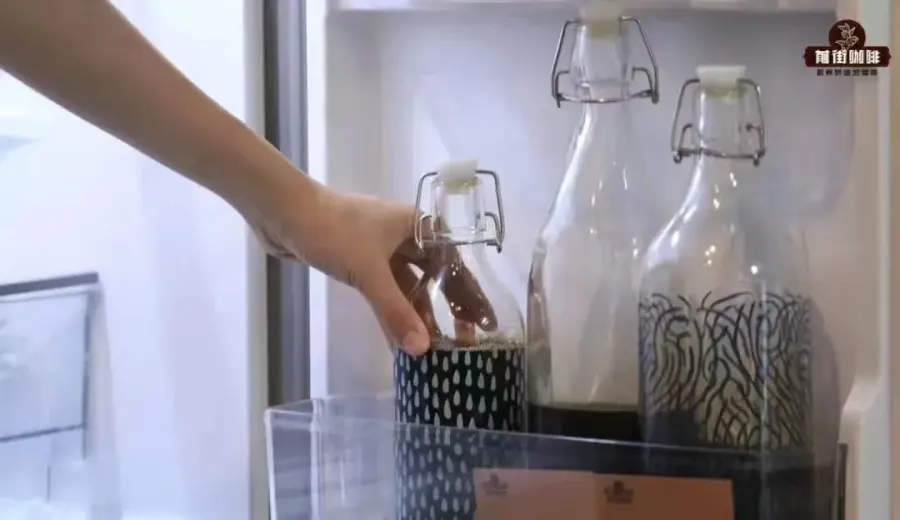
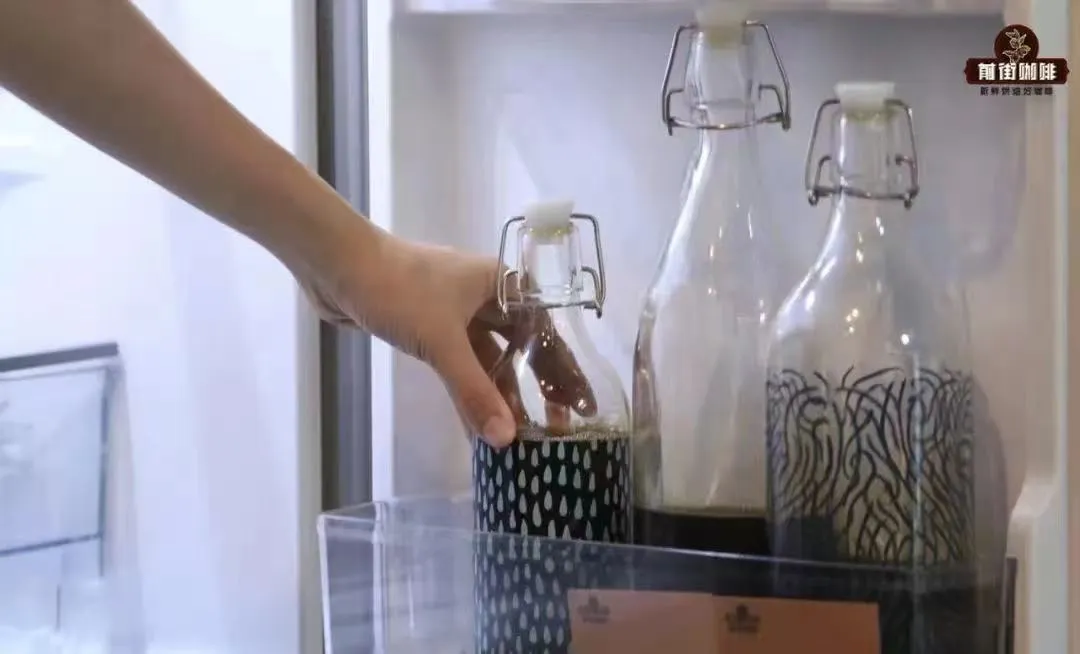
Cold brew uses low-temperature water for extraction, whether through cold steeping or the ice drip method, usually carried out in an environment of just a few degrees Celsius, and is kept refrigerated throughout after brewing. The cool environment suppresses microbial growth and slows oxidation, thereby delaying the loss of flavor and the onset of spoilage. However, this doesn’t mean cold brew won’t spoil—it just means it does so “more slowly.” Without proper sealing, over time both the flavor and hygiene will take a significant hit.
In practice, if stored properly (i.e., sealed and refrigerated the whole time), cold brew can generally last about a week in the fridge without obvious spoilage. But the flavor performance is not as optimistic. The peak flavor period often comes well before the point of spoilage. According to our actual tasting experiments, we prepared two bottles of cold brew with different flavor profiles (namely Lishilan and Hua Hudie), and recorded their changes from day 1 to day 7 after brewing. The experimental results showed that days 1 to 4 were the best-performing periods for these cold brews, with clear flavor layers, smooth texture, and just the right level of fermented aroma.
On day 1 and day 2, the cold brew had rich aroma, balanced acidity and sweetness, and a distinctly fruity-floral character with a smooth body. But by day 3 and day 4, although the mouthfeel remained decent, the aroma began to weaken and slight fermented notes started to emerge. It was still drinkable, but overall quality had declined from its peak.
By day 5, the aroma in the coffee had almost completely dissipated, leaving only basic acidity, sweetness, and bitterness, accompanied by intense fermented flavors, and the mouthfeel became heavier. From day 6 onward, the overall performance deteriorated even further—the flavors became bland, the taste dull, and no longer pleasant. So overall, if you’re aiming for the best flavor, it’s recommended to finish the cold brew within 4 days of brewing. If the storage environment is stable and it’s only opened once per day, then drinking it within five days is still within a reasonable range.
But be aware—if you frequently open the container to pour out coffee, such as taking multiple servings a day, then continuous oxygen exposure will accelerate oxidation, not only causing faster flavor loss but also potentially introducing stray microbes, shortening the overall shelf life. In this case, it’s recommended to reduce the drinking window and finish it sooner.
There’s also a special scenario where warm water is used for soaking or blooming to shorten the brewing time. Because of the higher temperature, more flavor compounds—typically not easily released at low temperatures—are extracted. This method indeed speeds up the cold brew process, but it also makes the coffee liquid more susceptible to microbial invasion and reduces flavor stability. Therefore, if you use warm water to brew your cold brew, it’s advisable to consume it within 2 days after brewing to ensure both quality and safety.
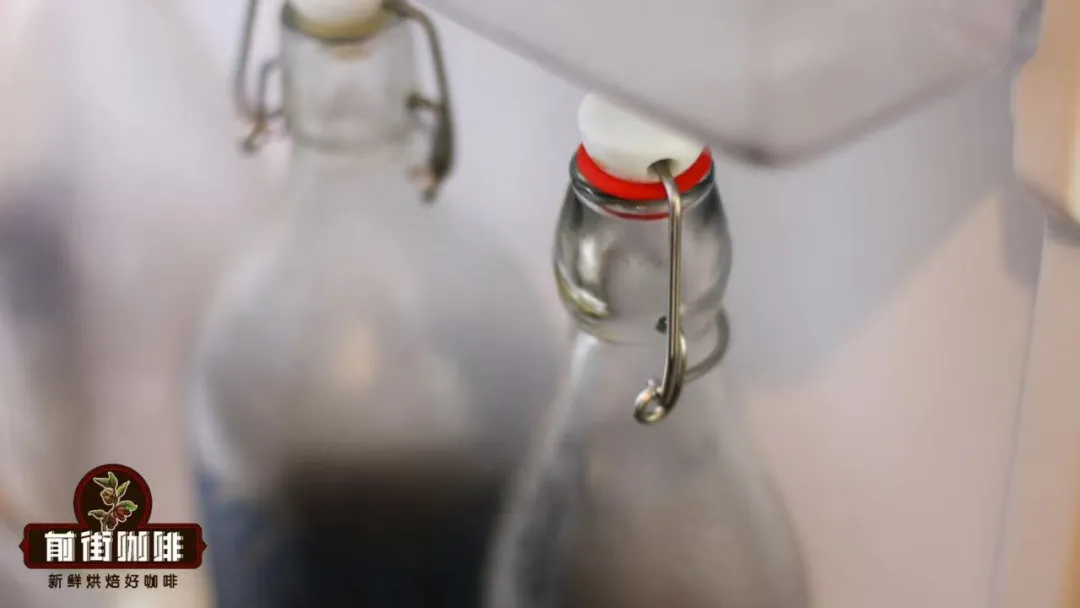
No matter which method you use to make cold brew, proper sealing and refrigerated storage are key to keeping it fresh. Home refrigerators are not entirely sterile—they harbor various microorganisms—so only by ensuring the container is well-sealed, clean, and preferably pre-sterilized can you effectively reduce contamination risks, ensuring every sip of your cold brew is fresh and worry-free.
The above content is compiled by CoffeeHunters, a coffee news website.


