








Introduction:Cold brew coffee may seem simple to make, but it often turns out weak or under-extracted due to improper coffee-to-water ratio, grind size, or steeping time. This article delves into the four key parameters of cold brew — including the recommended coffee-to-water ratio of 1:10 to 1:12, optimal steeping duration, suitable grind size, and how to prevent clumping to improve extraction efficiency — helping you brew rich and smooth cold drip-style coffee at home.
Brewing cold brew at home isn’t complicated, yet many find their results lacking in flavor and complexity. The issue usually isn’t the process itself, but rather inaccurate parameter settings and overlooked details. Drawing from practical experience, this article explores the coffee-to-water ratio, steeping duration, grind selection, and whether stirring is needed, analyzing why cold brew often ends up weak and offering clear adjustment suggestions to help you easily brew a rich and balanced cold brew.
Many coffee enthusiasts report that even when following common tutorials, the resulting cold brew tastes bland and lacks the aroma and depth expected of coffee. Weak-tasting coffee generally stems from two main issues: incorrect extraction parameters or operational oversights. However, unlike traditional hot brewing or pour over methods, cold brew is also uniquely affected by the brewing method and temperature, making it easy to under-extract if not handled carefully.

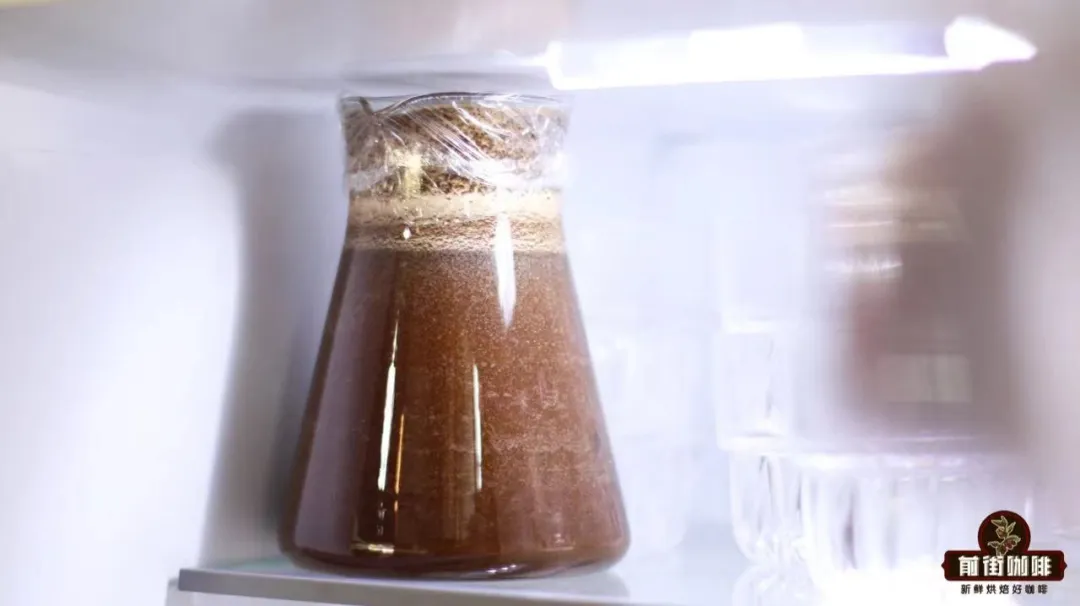
The basic method of cold brew is very straightforward: mix ground coffee with cold water evenly, pour it into a sealed container, and let it steep in the refrigerator. The longer it steeps, the richer the coffee flavor tends to be. However, many people filter the coffee earlier than necessary, fearing that prolonged steeping will lead to over-extraction and bitterness. In reality, cold brew is an immersion method and has one of the highest tolerances among brewing techniques. Over time, the coffee components in the liquid gradually reach saturation, naturally reducing extraction efficiency, while the release of bitterness and impurities is also suppressed, so over-extraction is generally not a concern. Especially when using ice water for brewing, its extraction capability is inherently lower, leading to a gentler release of flavors.
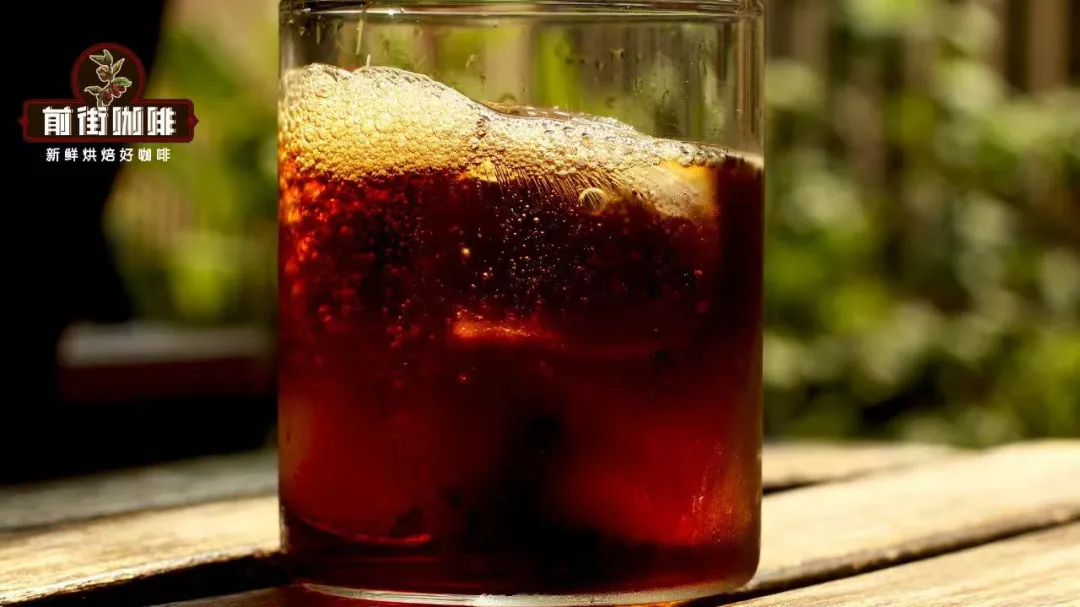
If you want your cold brew to have sufficient strength and aroma, the first priority is to correctly set the key parameters. Among them, steeping time and coffee-to-water ratio are the two core elements that determine concentration and flavor profile.
It is generally recommended to steep cold brew for at least eight hours. If using room temperature or cool water, eight hours is usually enough to achieve a stable extraction rate, ensuring the coffee isn’t weak or tasteless. If time allows, extending the steeping to twelve or even twenty-four hours will result in a richer and more layered flavor. It’s worth noting that if you prefer to drink it over ice, it’s advisable to slightly increase the coffee-to-water ratio to maintain overall flavor balance after the ice melts.

In terms of coffee-to-water ratio, one coffee brand commonly uses a ratio of 1:10. This ratio is suitable for later addition of ice, ensuring the coffee retains enough flavor intensity even after ice dilution. If you don’t plan to add ice, you can widen the ratio to 1:12, resulting in a lighter and more refreshing taste. To summarize:For cold brew at room temperature, a 1:10 coffee-to-water ratio is recommended.You can fine-tune it further based on personal taste preferences, whether for pure drinking or with ice.
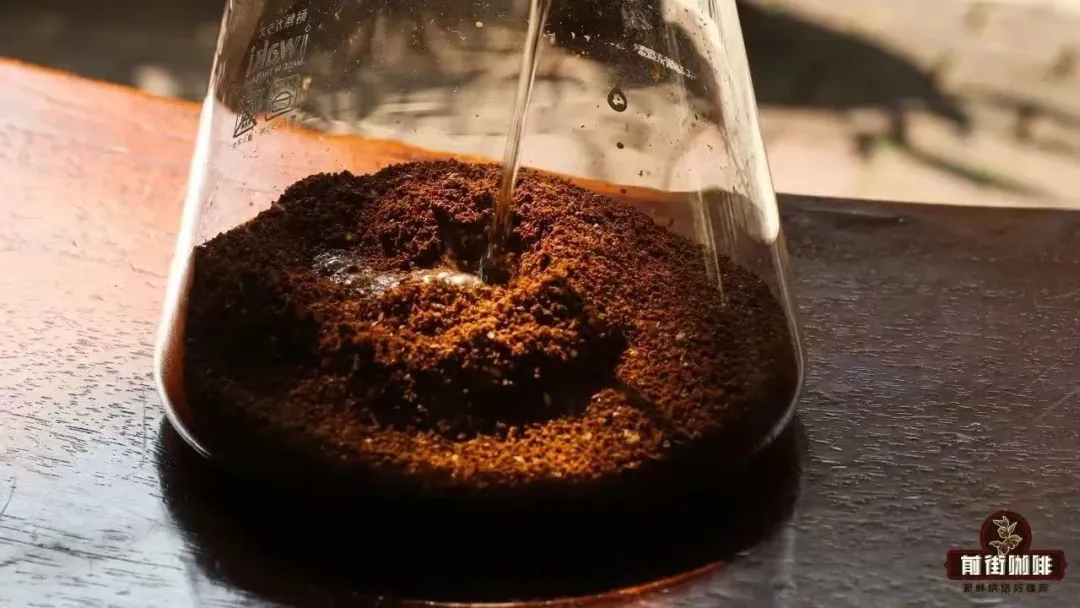
Another factor that may go against intuition but is extremely important is grind size. In most coffee brewing methods, the finer the grind, the greater the total extraction surface area, and thus the higher the extraction efficiency. However, this rule doesn’t necessarily apply to cold brew.
During cold brew, coffee grounds remain still for a long time. If the grind is too fine, the coffee particles tend to absorb water and settle, forming dense clumps. These clumps hinder water from penetrating inside, causing only the outer layer of coffee to effectively contact the water, while the majority of the coffee inside remains largely unused, ultimately resulting in insufficient overall extraction. To solve this, you can adjust the grind to be slightly coarser — similar to medium-coarse for pour over or slightly finer than typical ice drip, depending on the roast level of the beans. Usually, medium-dark roasts and above benefit from a coarser grind.
The advantage of a coarser grind is that it increases the distance between coffee particles, reducing the likelihood of clumping and allowing water to penetrate each particle more evenly, thereby improving overall extraction performance.
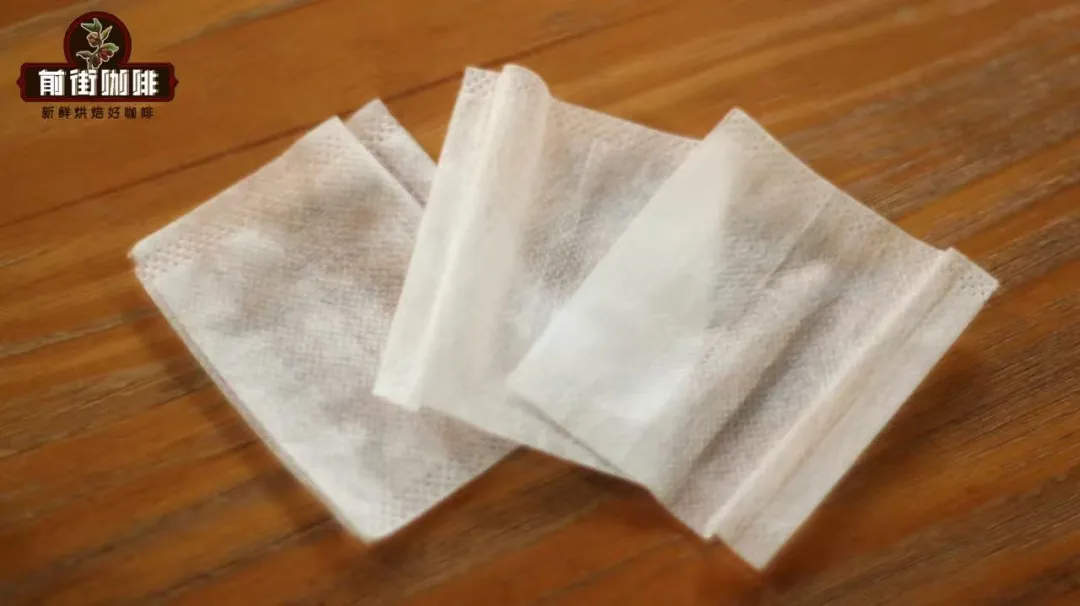
If you don’t want to adjust the grind, another option is to use tea bags to hold the coffee grounds. The main reason for clumping is the settling and stacking of wet coffee particles. By separating each portion of coffee grounds with a tea bag, you can avoid sedimentation and clumping, allowing each portion to evenly contact the water and thus improve extraction efficiency. You can divide the coffee grounds into portions of 5g, 10g, or 15g based on your batch size, place them in tea bags, and then proceed with steeping.
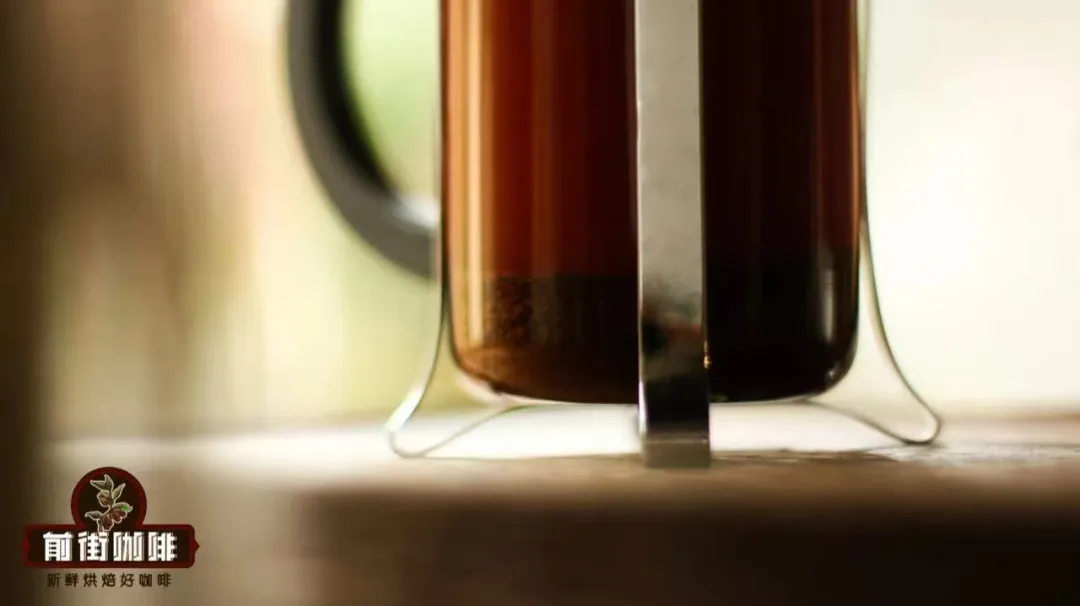
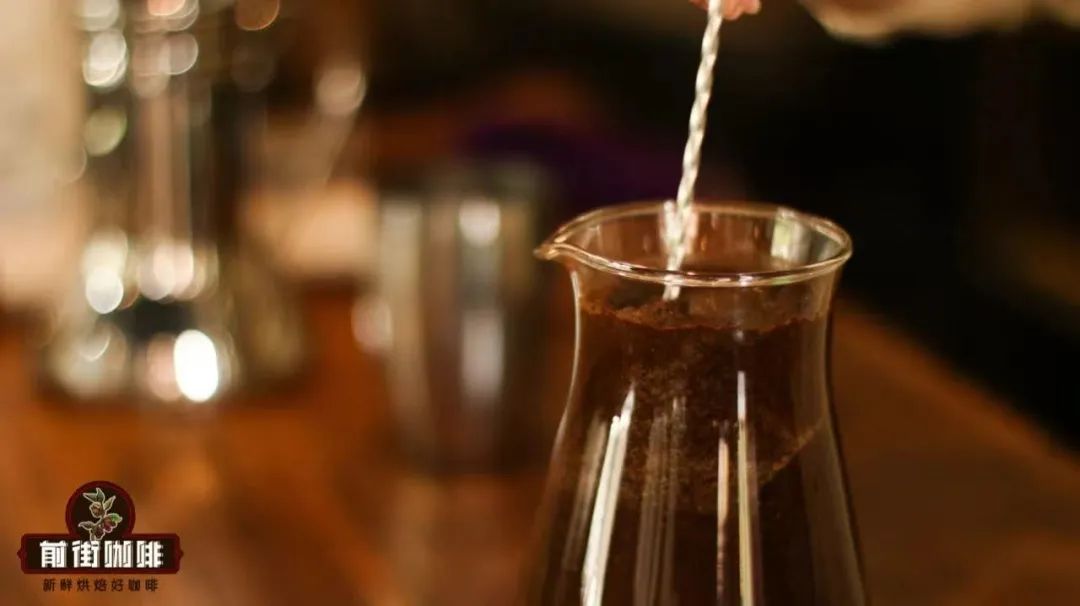
If you can neither adjust the grind nor use tea bags, there’s another alternative to enhance extraction efficiency and final coffee strength: regular stirring. Stirring the coffee grounds gently every once in a while (e.g., every two hours) can break up existing clumps, allow water to re-penetrate the interior, reach previously isolated coffee particles, and accelerate the dissolution process, all of which contribute to improving overall extraction rate and strength.
However, this method is more tedious because it requires returning periodically to stir, and the evenness achieved doesn’t last long — the coffee grounds quickly settle and clump again. Therefore, if conditions allow, it’s better to prioritize adjusting the grind or using tea bags for a more effective improvement in cold brew extraction and flavor integrity.
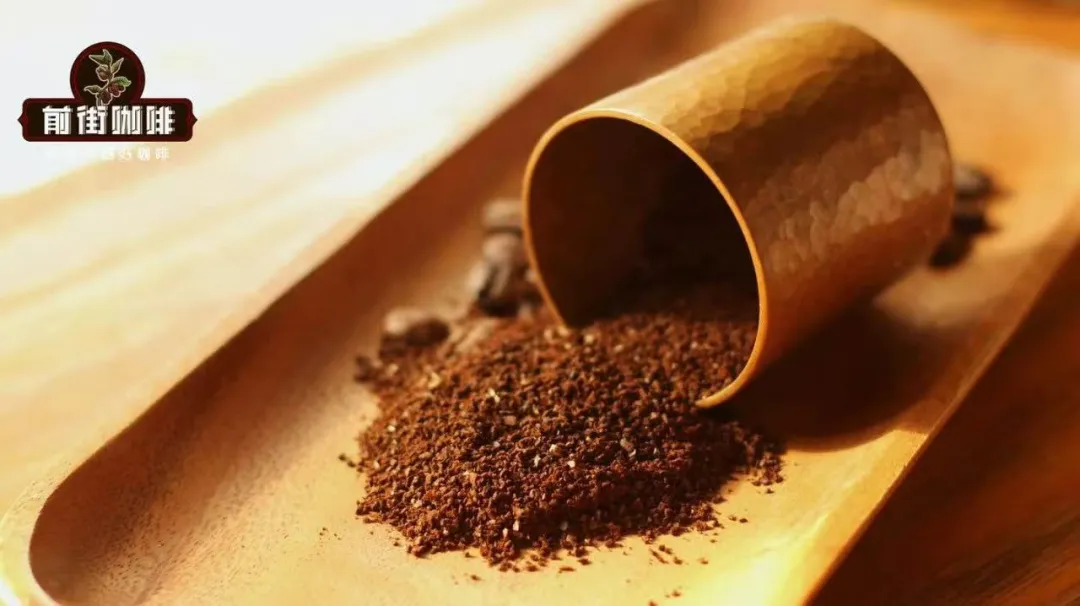
Overall, to successfully brew a cup of cold brew coffee with rich flavor and balanced mouthfeel at home, the key lies in mastering the following four elements: first, a minimum steeping time of 8 hours, extendable to 12–24 hours for more layers; second, a recommended coffee-to-water ratio of 1:10 (for iced coffee) or 1:12 (for room-temperature pure drinking); third, a grind size slightly coarser than your usual pour over to avoid clumping that hinders extraction; fourth, improving overall extraction efficiency and avoiding overly weak flavors through grind adjustments, tea bags, or regular stirring.
With these details mastered, even a DIY cold brew at home can offer café-quality richness, delivering satisfying flavor whether enjoyed over ice or straight.
The above content is compiled by CoffeeHunters, a coffee news website.


