







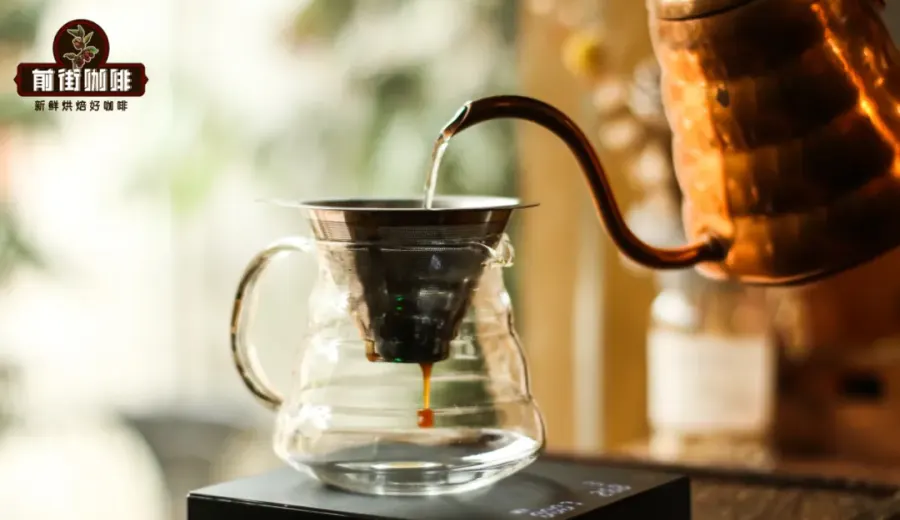
Introduction:Choosing the right filtration tool is the first step to a successful pour over coffee brew. Metal filters, known for preserving coffee oils and aromatic compounds, have become the preferred choice for an increasing number of coffee enthusiasts. However, with a mesh size of 400 (approximately 38 microns), their larger pores can allow fine coffee particles to pass through, affecting the taste. This article delves into the differences between metal filters and paper filters, explores the conversion and practical extraction performance of 400 mesh, and provides practical operation tips to help you brew a pour over coffee with balanced flavors and rich layers.
In the pour over brewing process, the choice of filtration tool has a decisive impact on the final flavor. With its unique pore structure, the metal filter not only preserves the natural lipids and aromatic compounds in coffee, but also offers environmental and economic benefits. At the same time, it faces the challenge of fine particle filtration. This article will focus on the common 400-mesh metal filter (with a pore size of about 38 microns), analyzing its pros and cons, differences from paper filters, and practical brewing demonstrations to comprehensively explore how to make the most of metal filters—capitalizing on strengths while mitigating weaknesses—to elevate the overall quality of your pour over coffee.
Various materials of filtration tools on the market each have their own strengths. To extract the ideal flavor from coffee via the pour over method, it's essential to first understand the characteristics of these tools. While there’s already plenty of discussion about cloth filters, this time we’ll turn our attention to metal filters and explore how to use them to brew a satisfying cup of coffee.
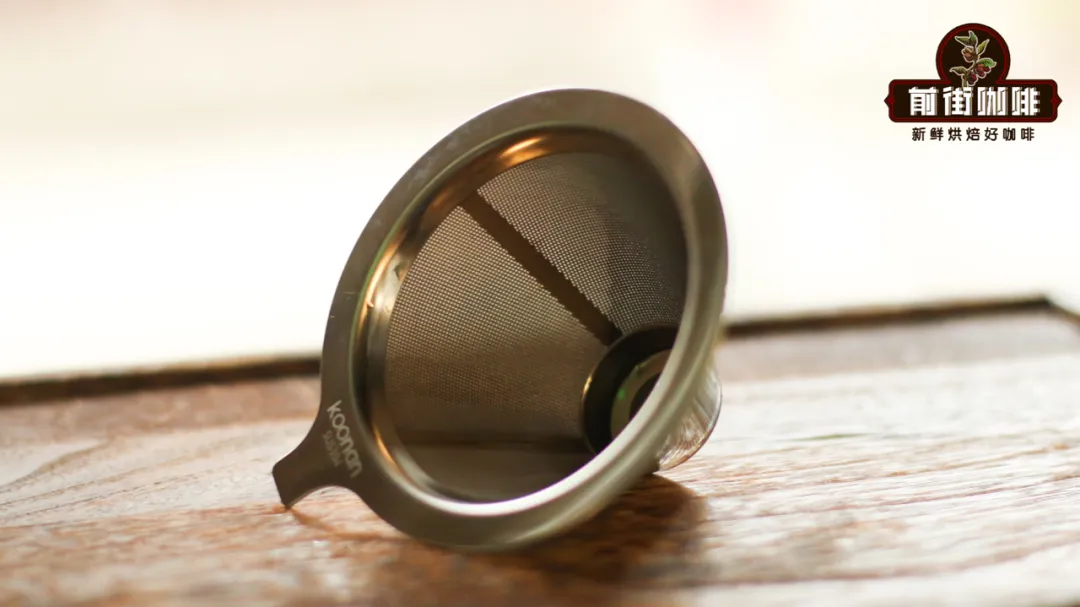
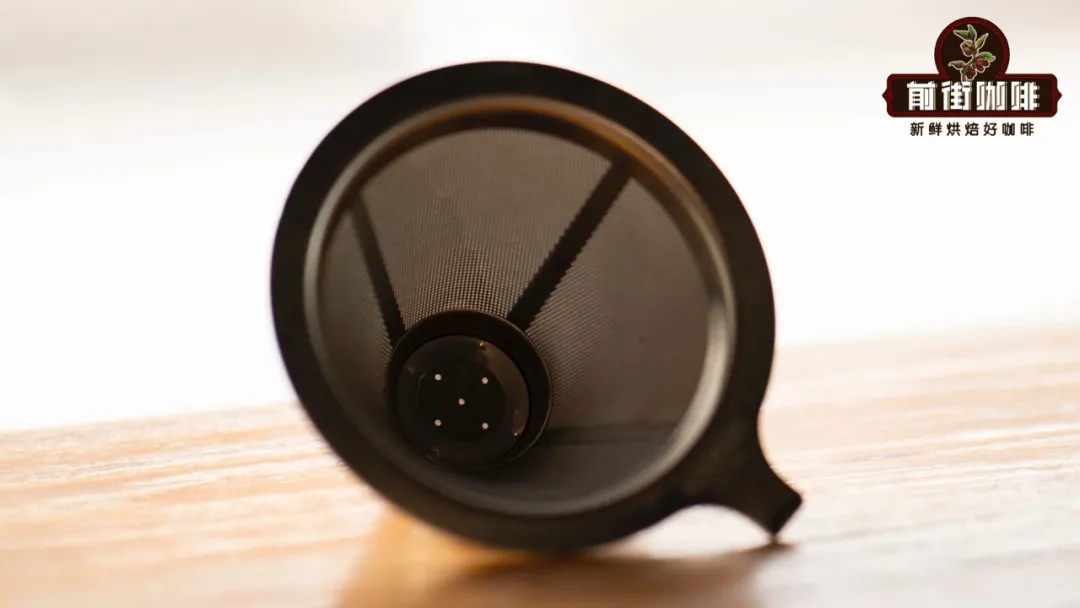
Metal filters come with clear advantages and limitations. Take the common 400-mesh metal filter as an example—it typically features a double-layer structure, consisting of a fine 400-mesh metal screen and an outer support structure. The 400-mesh specification translates to an actual particle size of about 38 microns. While this pore size is relatively fine and most coffee grounds won’t easily leak out when the grounds are poured in and gently shaken, compared to paper filters, the pores are still relatively large. Precisely because of this, metal filters can preserve the lipid content in coffee just like cloth filters, which significantly enhances the aroma complexity and body richness of the coffee—an effect that paper filters, due to their overly strong filtration ability and tendency to trap oils, often fail to achieve.
Beyond flavor advantages, another major benefit of metal filters lies in their environmental friendliness and cost-effectiveness. Similar to cloth filters, metal filters can be reused multiple times—just rinse them thoroughly and let them dry after each use, and they’re ready for the next brew. Calculating based on a usage frequency of one cup per day, the investment pays off in about three months, making them highly cost-efficient in the long run.
Of course, metal filters also have notable drawbacks, which stem from the same source as their benefits—their pore design. While 400-mesh filters effectively retain coffee oils to enhance aroma and mouthfeel, they also allow smaller coffee particles to pass through the mesh. In reality, particles smaller than 38 microns are abundant in coffee grounds and can easily slip through the filter, thereby affecting the texture and overall flavor of the coffee.
If you're using a grinder with average grind consistency, it's recommended to first use a sieve to remove some of the overly fine coffee particles before brewing with a metal filter. This helps prevent excessive fine particles from negatively impacting the coffee’s mouthfeel—a step crucial for maintaining flavor balance.
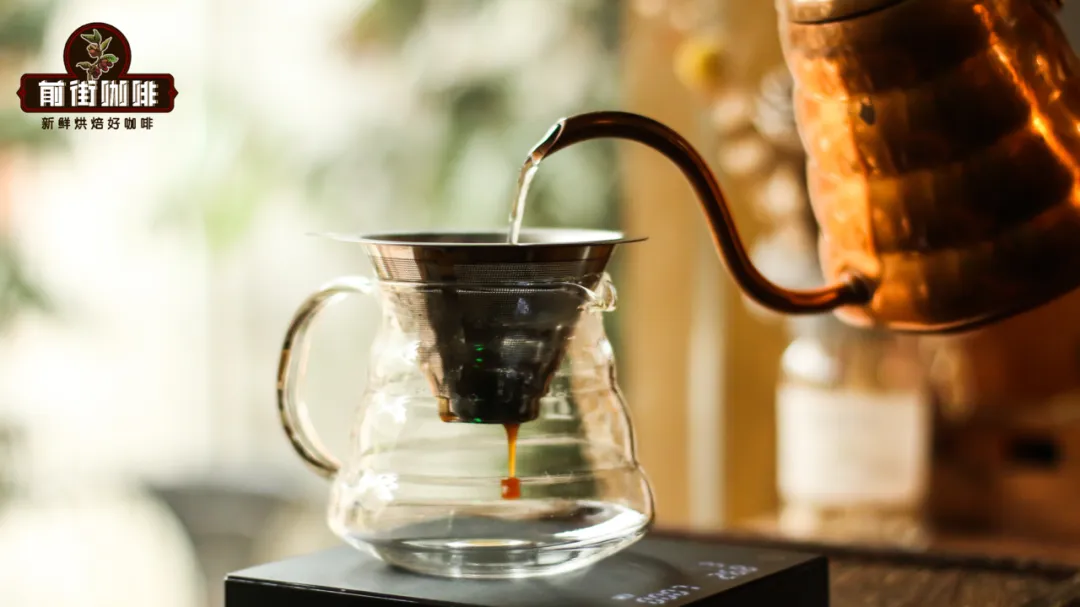
Below, we’ll share the actual process of using a metal filter for pour over brewing and highlight several practical details to pay attention to during the process. First and foremost, it’s important to note that the flow rate of a metal filter tends to gradually increase as the water level rises—that is, the higher the water level during pouring, the faster the water will pass through the filter.
Practical tests have shown that under high water levels, the drainage speed of a metal filter is noticeably faster than that of a V60 dripper. If the flow rate is too fast, it shortens the contact time between water and coffee grounds, which can lead to under-extraction, resulting in a thin and one-dimensional coffee flavor. Therefore, when brewing with a metal filter, it’s essential to control the pouring rate and avoid letting the coffee bed and water level rise excessively, so as not to negatively affect the final taste due to overly rapid drainage.
This demonstration uses washed Yirgacheffe beans—Gu Ding Ding. The extraction parameters remain consistent with those used with paper filters, as follows: 15 grams of coffee, ground at scale 10 on the Ek43 grinder, with a 20-mesh sieve retention rate of about 80% (equivalent to the coarseness of superfine sugar); a coffee-to-water ratio of 1:15 (i.e., 15 grams of coffee with 225 milliliters of hot water), water temperature controlled at 92°C, using the classic three-pour method.
The first step is the bloom phase: pour hot water equal to twice the coffee dose (about 30 milliliters), and let it bloom for 30 seconds.
After the bloom, begin pouring the second batch of hot water, totaling about 120 milliliters. It’s recommended to use a small stream and circle widely, while carefully controlling the water level to avoid lifting the coffee bed too high. Be especially mindful not to let the water stream directly hit the edge of the filter to prevent channeling, which can compromise extraction evenness.
Once the coffee liquid has fully drained, continue pouring the third batch of hot water using a small stream, totaling about 75 milliliters. The focus of this stage is on the bottom layer of coffee grounds, so it’s advised to reduce the circle size and concentrate on extracting the central bottom layer to ensure complete and consistent flavor extraction.
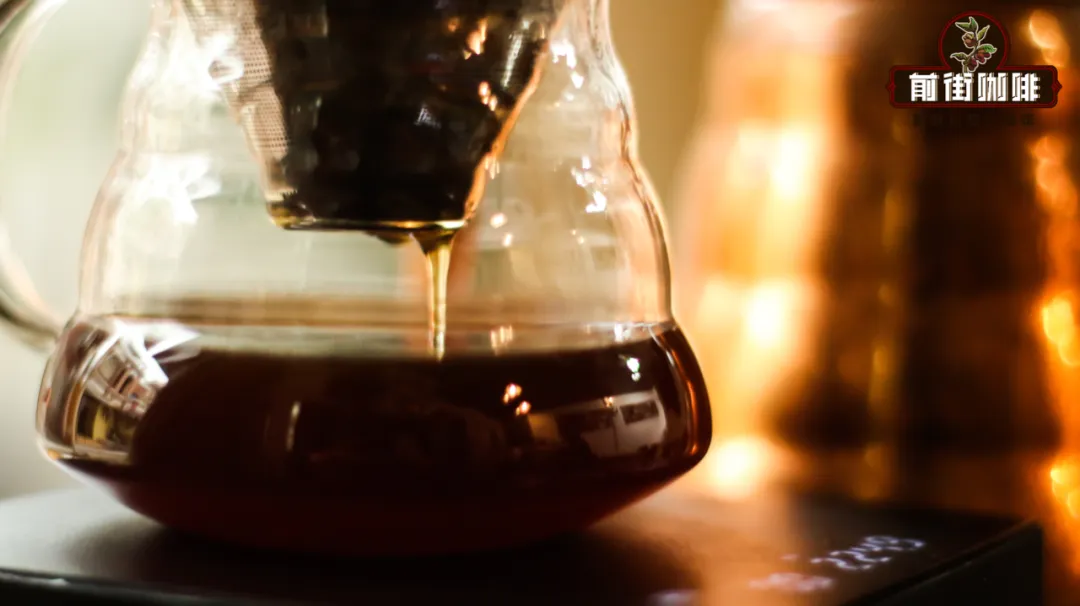
After all the coffee liquid has completely drained, remove the filter. The total extraction time using the metal filter in this case was approximately 2 minutes and 5 seconds—about 10 seconds faster than brewing Gu Ding Ding with paper filters. In terms of flavor, it showcased delicate white floral notes, bright citrus acidity, and a clean green tea-like finish, perfectly capturing the classic flavor profile of Yirgacheffe. Moreover, thanks to the metal filter’s preservation of natural coffee oils, this cup of Gu Ding Ding felt richer in mouthfeel and had a more lingering aftertaste, delivering an overall impressive performance.
The above content is compiled by CoffeeHunters, a coffee news website.


