







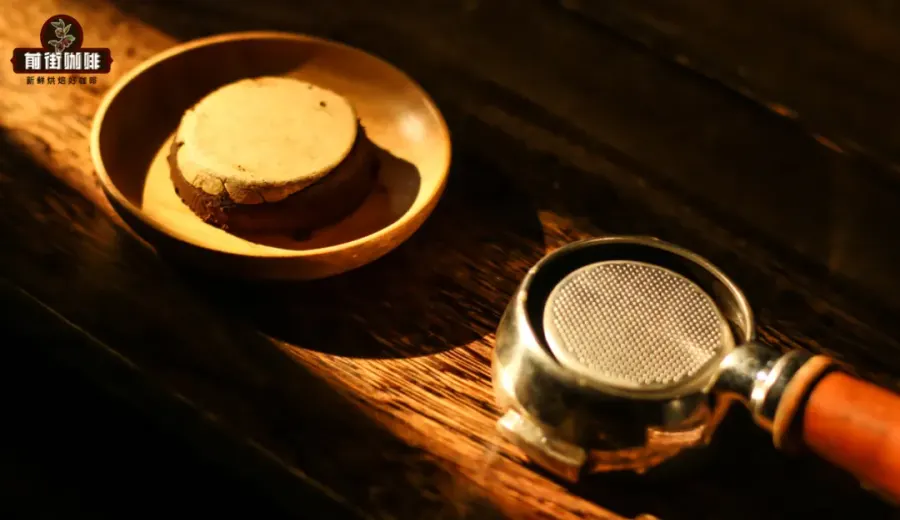
Introduction:When brewing espresso, many people try placing a round filter paper in the portafilter to improve extraction performance. However, the placement of the filter paper—whether at the bottom of the portafilter or on top of the coffee puck—directly affects the extraction results, including bitterness intensity, clarity, body, and extraction stability. This article delves into the principles, practical effects, and operational suggestions of these two methods of using filter paper, helping you make a more precise choice based on your needs.
When making a shot of espresso, there is a small detail that is often overlooked: placing a round filter paper in the portafilter. Although it’s just a simple step, where the filter paper is placed can significantly impact the final flavor of the brewed coffee. Many baristas have found through practical testing that placing the filter paper at the bottom of the portafilter can effectively reduce bitterness and enhance the clarity of the mouthfeel; however, placing it on top of the coffee puck helps improve water distribution and reduce channeling. This article will explore in detail the pros and cons of these two methods of using filter paper and provide practical operational suggestions to help you make a more suitable judgment based on different extraction needs.

First, we need to understand that the filter paper mentioned here refers to the common round filter paper, which primarily functions to filter coffee grounds. But when it is placed inside an espresso portafilter, its role goes beyond just filtering—it further influences extraction flow rate, mouthfeel, and overall performance. Some coffee enthusiasts may have come across related information in articles, but few have delved deeply into the underlying principles. Next, we will analyze the actual effects and considerations of these two common methods: placing the filter paper at the bottom of the portafilter and on top of the coffee puck.
I. Filter Paper at the Bottom of the Portafilter: Reducing Bitterness and Enhancing Clarity
The most common way to use filter paper is to lay it flat at the bottom of the portafilter. The biggest advantage of this method is that it effectively intercepts the extremely fine coffee particles released during extraction, thereby reducing the bitterness of the coffee and enhancing the overall clarity and cleanliness of the mouthfeel.
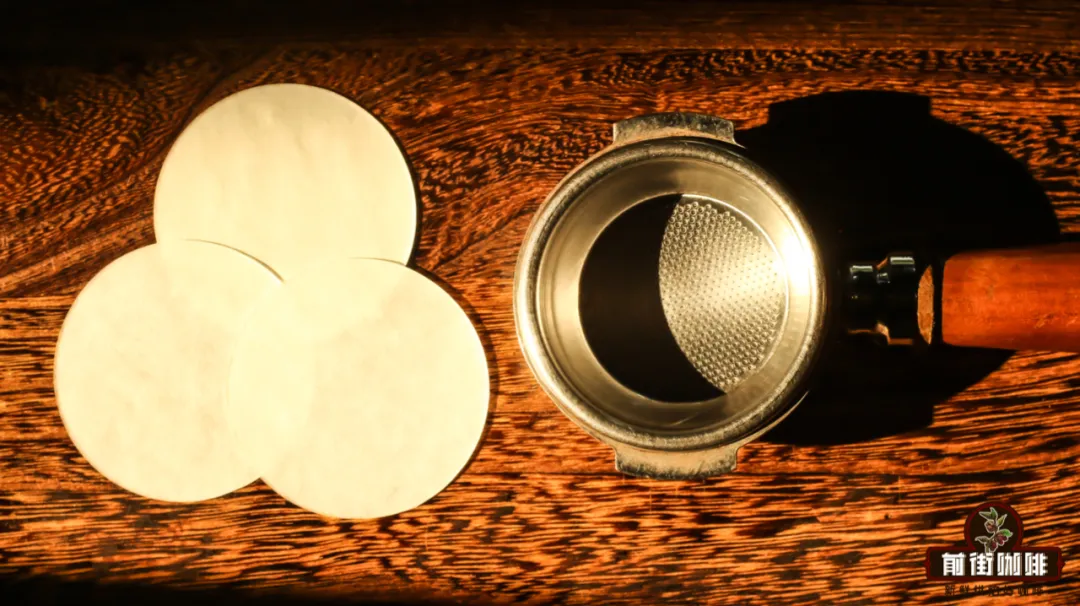
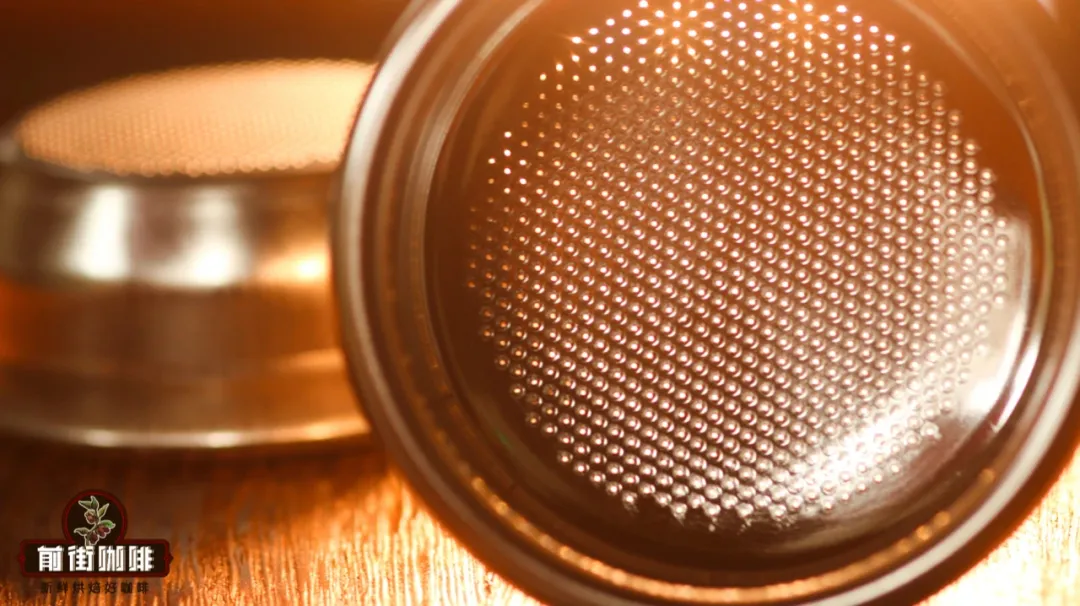
During normal espresso extraction, high-pressure water forces out a large amount of fine particles along with the brew, and the filter holes in the portafilter itself cannot completely block these tiny particles. These fine particles, once they enter the cup, can bring a noticeable bitter and astringent sensation, and also make the coffee taste less refreshing. If you place one or two round filter papers at the bottom of the portafilter before extraction, the filter paper can perform the function of filtering out fine particles, keeping them inside the portafilter rather than letting them enter the final coffee liquid. As a result, the bitterness of the coffee will be significantly reduced, and the overall mouthfeel becomes smoother and cleaner.
However, this method also has clear disadvantages. First, since fine particles also contribute to the body (richness) of the coffee, when they are filtered out by the paper, the body of the coffee will slightly decrease. In addition, because the filter paper makes the water channels smoother, the flow rate of water under high pressure will increase, which may lead to a shorter extraction time, thereby affecting the extraction yield and preventing some flavor compounds from being fully released.
According to practical comparisons, espresso made without filter paper usually has an extraction time that is several seconds longer than when filter paper is used, and the extraction yield is also higher. Therefore, if you choose to use the method of placing filter paper at the bottom of the portafilter, it is recommended that you adjust the grind size and tamping pressure with the premise that "filter paper is already added" when setting extraction parameters, to avoid inconsistencies in flavor performance.
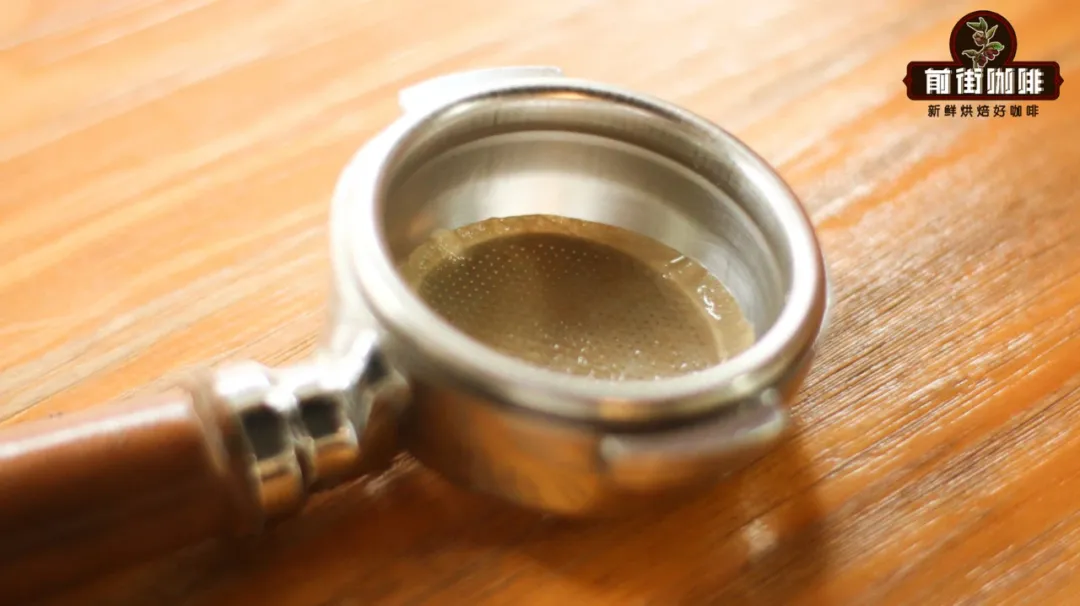
II. Filter Paper on Top of the Coffee Puck: Improving Water Distribution and Reducing Channeling
Another way to use filter paper is to place it on top of the compacted coffee puck, directly against the layer of coffee grounds. Although this method is less common than placing it at the bottom, it can bring positive effects in certain situations, especially in improving water impact and reducing channeling.
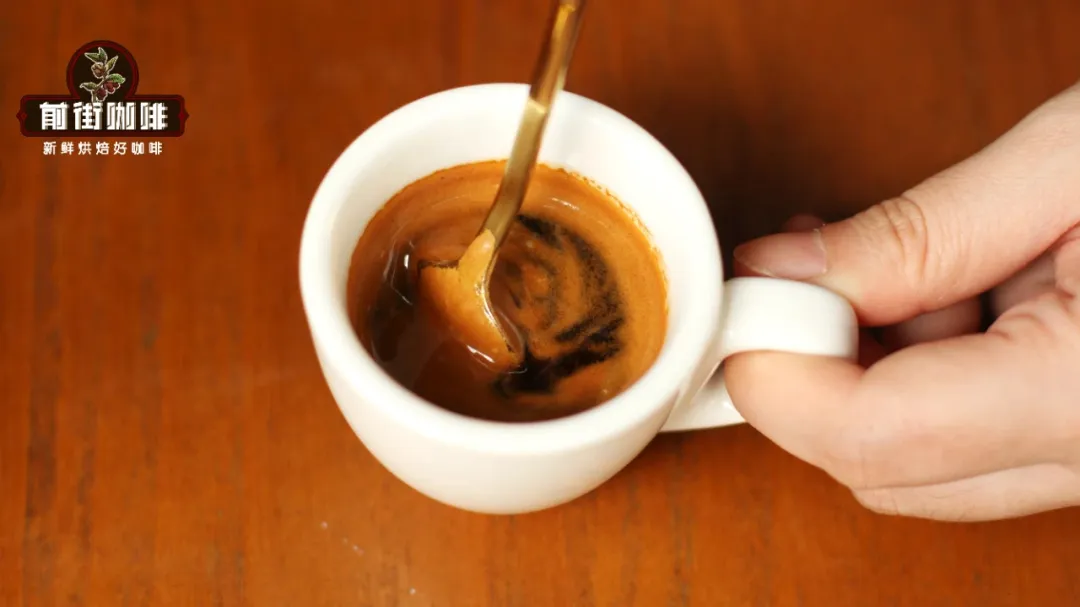
When hot water is forced out from the group head under high pressure, it directly impacts the surface of the coffee puck, which may disperse the surface coffee grounds and create localized channels, leading to uneven extraction. If you place a filter paper on top of the coffee puck, it can, to some extent, disperse this impact force and allow the hot water to penetrate the entire coffee layer more evenly, thereby improving the uniformity of extraction.
However, the improvement in overall extraction from this method is actually limited, as the formation of channeling is more related to factors such as the evenness of tamping and the clumping of coffee grounds. Therefore, in most cases, baristas prefer to use filter paper at the bottom of the portafilter rather than on top of the puck.
Additionally, it should be noted that placing the filter paper on top of the coffee puck increases the distance the hot water has to travel, which will slightly extend the overall extraction time. The specific extent of the extension depends on the thickness of the filter paper. The thinner the paper, the smaller the impact; the thicker the paper, the more noticeable the extension. However, this extension also has its benefits: it allows you to use less coffee or a slightly coarser grind without significantly affecting the extraction results, thus providing more flexibility in adjusting coffee dosage and grind size.
In summary, whether to use round filter paper when making espresso, and whether to place it at the bottom of the portafilter or on top of the coffee puck, depends on the flavor characteristics you are aiming for and the actual brewing conditions. If you want to reduce bitterness and enhance mouthfeel clarity, placing the filter paper at the bottom of the portafilter is the better choice; if you want to improve water distribution and reduce channeling, placing it on top of the coffee puck has potential benefits. No matter which method you choose, you must adjust the relevant parameters accordingly to achieve the most ideal extraction results.
The above content is compiled by CoffeeHunters, a coffee news website.


