







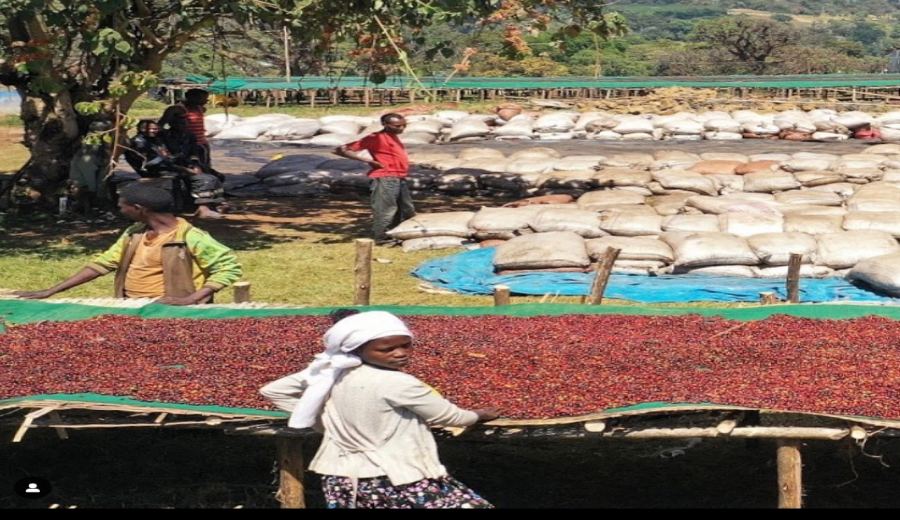
Introduction:Explore the rare coffee variety Wush Wush, originating from Ethiopia but shining brightly in Colombia. From its history of breeding disease-resistant genes to the natural processing method at Finca Betulia in the Huila region, we analyze how this coffee bean—featuring flavors of black plum and dried blueberries—achieves its layered complexity through a V60 three-stage pour over. This article provides key parameters such as altitude, processing method, and roast level, along with practical pour over recommendations.
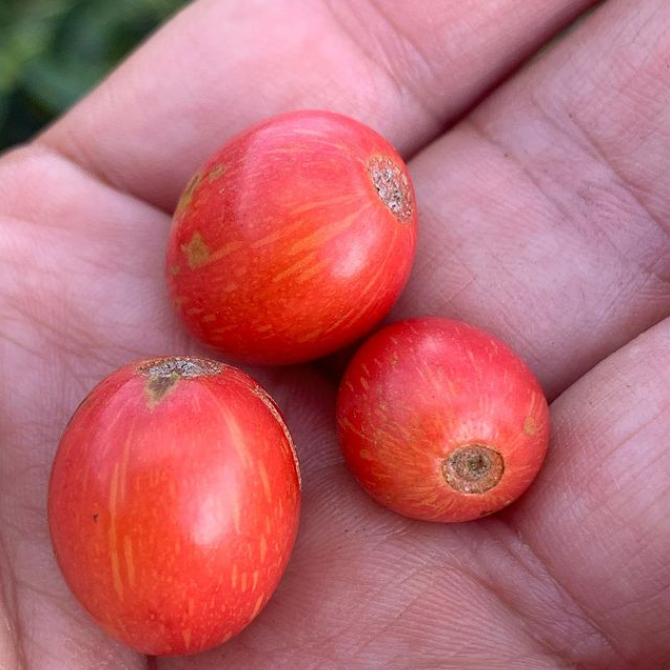
In the lineage of coffee varieties, Ethiopia has always been the origin. In addition to well-known heirloom varieties, in recent years series such as 74 and Dega have gradually entered the market’s view. Among them, the variety named Wush Wush stands out with its unique name and captivating flavor. This adorably pronounced variety, belonging to the same heritage coffee system as Geisha, was first discovered in Wush Wush Village, Gimbo Town—not far from the Kafa biodiversity hotspot.
In the 1970s, Ethiopia experienced a severe outbreak of anthrax disease. At that time, the Jimma Agricultural Research Center (JARC) screened hundreds of potential wild coffee trees from areas such as Bishari and WushWush in the western rainforests to breed disease-resistant varieties. After years of laboratory cultivation, the first batch of 13 disease-resistant varieties was introduced in 1978. These varieties, bearing codes starting with “74” or “75” (such as the well-known 74110), became important genetic resources for Ethiopia’s main coffee-producing regions. The purified version of Wush Wush, however, was not officially released until 2006, with a recommended planting altitude of 1700–2100 meters.
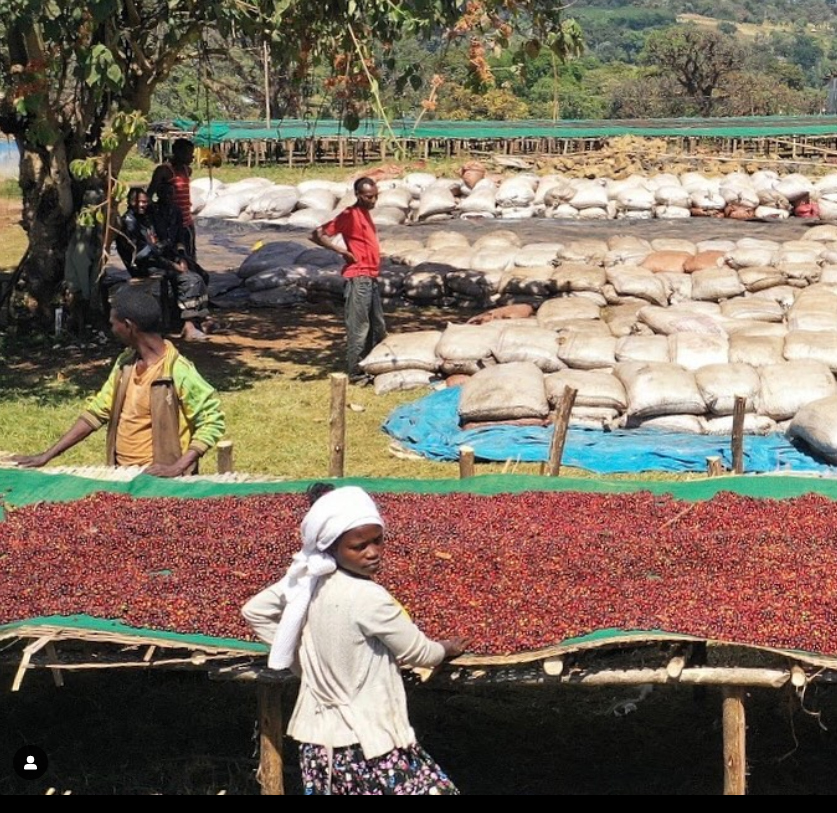
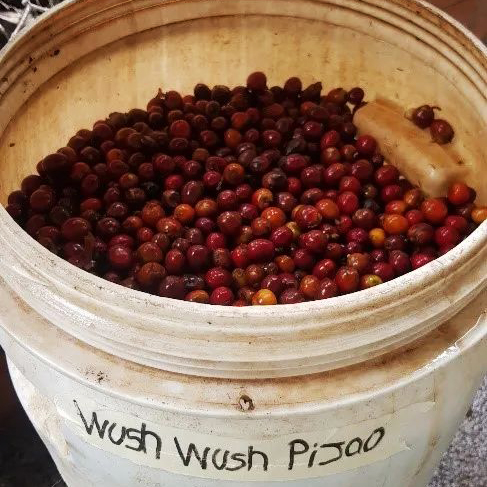
Interestingly, most of the Wush Wush available on the market today does not come from its place of origin in Ethiopia, but from South America—specifically Colombia. This can be traced back to the late 1970s, when Colombia’s National Coffee Research Center (Cenicafé) introduced Wush Wush seedlings from Ethiopia. Through trial planting and selection during the 1980s and 1990s, the variety gradually adapted to the terroirs of departments such as Santander, Tolima, and Huila. Among them, Finca Betulia in the Huila region has crafted a version with distinct regional characteristics using the natural processing method.
Finca Betulia is managed by the second-generation coffee farmer Luis, who has been working in farming alongside his father since the age of 12. In 2005, he purchased 20 hectares of land to establish the farm. Initially focusing on traditional varieties, it wasn’t until 2012—after successfully cultivating Geisha—that he began dedicating himself to growing rare varieties, including Pink Bourbon, Sidra, and the star of this article, Wush Wush. Luis believes that cultivating special varieties with distinctive flavor profiles is key to the sustainable operation of the farm.
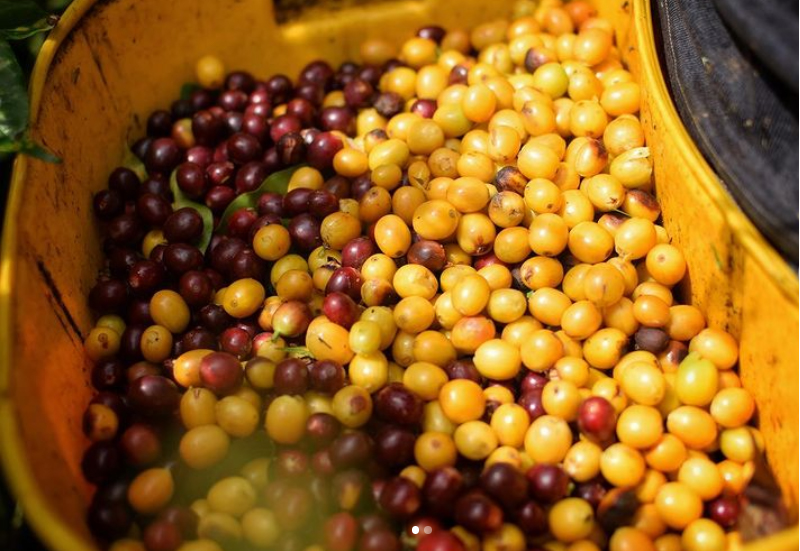
This natural Wush Wush from an altitude of 1450–1550 meters in Huila features small, round beans in its green form. Cupping notes reveal a dry aroma with intense berry tones and raisin-like scents, reminiscent of the complex flavors of traditional preserved plums. Upon pouring water, a brown sugar sweetness emerges. On the palate, dominant notes include dark berries, black plum, and dried blueberries, accompanied by black plum aroma and a subtle spicy finish. The overall mouthfeel is round and solid.
For this variety that emphasizes fruity acidity, the V60 dripper is recommended for pour over brewing. The V60’s unique spiral air vents extend the contact time between water and coffee grounds, while the large central hole accelerates filtration, helping to extract a rich array of flavors. Recommended parameters are as follows: 15 grams of coffee, a 1:15 coffee-to-water ratio, a water temperature of 91–92°C, and a grind size similar to fine sugar (78–80% extraction through a #20 sieve).
The specific brewing process follows a three-stage extraction method: First, place 15 grams of coffee grounds into the dripper and pour 30 grams of water for a 30-second bloom, ensuring even saturation across the coffee bed. In the second stage, use a slightly stronger flow to pour 120 grams of water; by around 55 seconds, the total water volume should reach 150 grams. This helps lift the coffee bed and promotes even extraction. In the final stage, pour 90 grams of water in small circles. The total brew volume of 240 grams should be reached in about 2 minutes and 10 seconds. Be careful to control the water flow in the third stage to avoid disrupting the coffee bed structure, which could impact extraction efficiency.
From Ethiopia’s genetic repository to Colombia’s highland farms, the journey of Wush Wush showcases the remarkable adaptability of coffee varieties across regions. For coffee enthusiasts, this natural-processed bean—combining the tartness of black plum with the sweetness of berries—is not only a novel choice, but also an excellent example for understanding the influence of processing methods and terroir.
The above content is compiled by CoffeeHunters, a coffee news website.


