







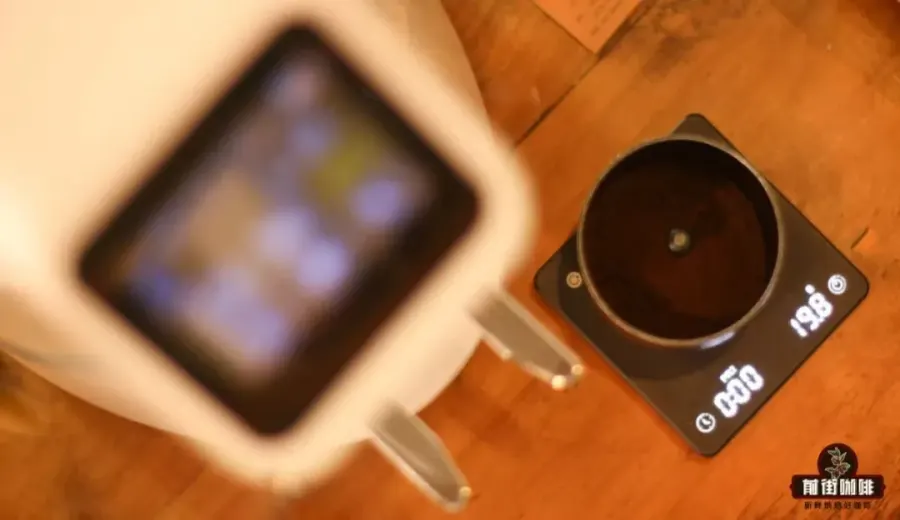
Introduction:Many home and professional grinders advertise precise dosing capabilities, yet in practice, discrepancies of less than 0.5 grams are still common. Though seemingly minor, such variations can significantly affect the extraction time, concentration, and flavor profile of an espresso. This article analyzes how slight changes in coffee dose influence extraction parameters through three sets of test data—19.5g, 20g, and 20.5g—and explains why precise control behind the counter is so crucial.
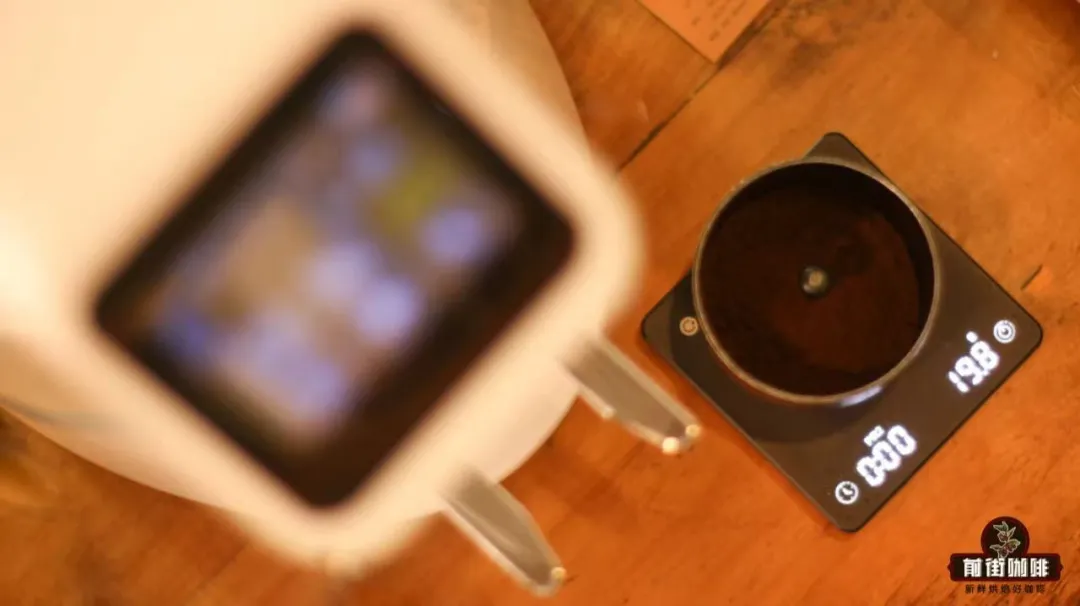
Modern espresso grinders are typically equipped with automatic dosing systems. Users only need to set a target weight (e.g., 20 grams), and the machine will release that amount of coffee powder accordingly. While this feature appears to simplify the process, factors such as grinder design, residual coffee buildup in the dosing chamber, and static electricity often lead to a natural deviation of around 0.3 to 0.5 grams between the displayed value and the actual dose. For professional shops striving for consistent extraction quality, relying solely on mechanical dosing makes it difficult to ensure uniform flavor across every cup of espresso.
To verify the real effects of minor dose adjustments, the experimental team selected three adjacent parameters—19.5 grams,20.0 gramsand20.5 grams—with each group used to extract two separate espressos of 38ml yield. Extraction time and extraction yield were recorded simultaneously. The data shows:The 19.5g dose averaged 27 seconds, with an extraction yield of 22.37%;the 20.0g dose extended to 29 seconds, with the extraction yield slightly dropping to 21.70%; when the dose increased to20.5g, the extraction time further lengthened to 33 seconds, and the extraction yield dropped to just 21.42%. These three sets of results clearly demonstrate a positive correlation between dose and extraction efficiency.
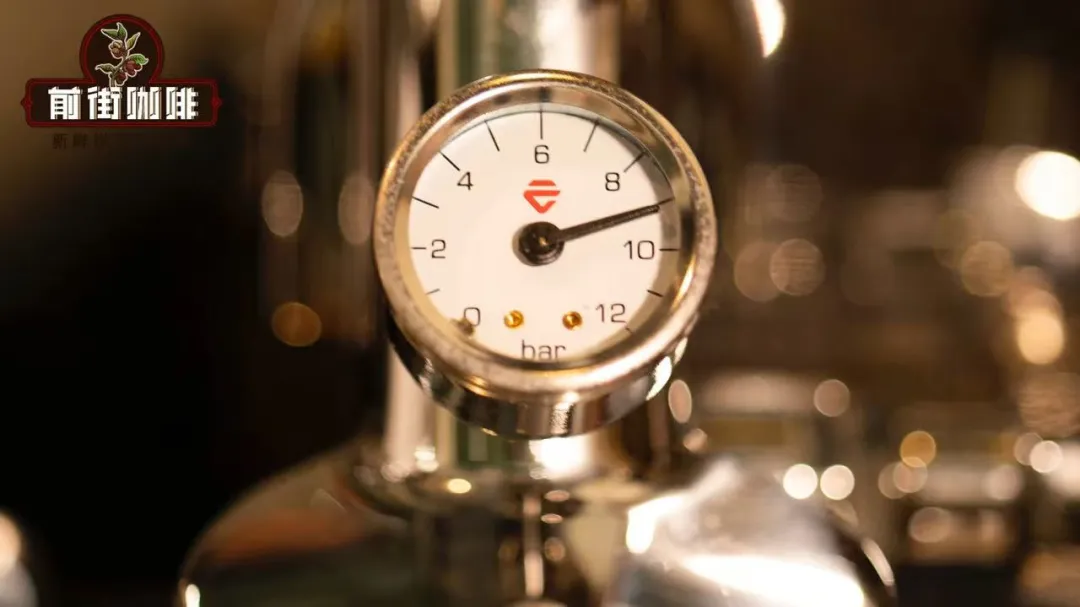
Delving into the mechanism, espresso extraction relies on the 9-bar high-pressure environment created by the espresso machine. Taking a 58mm diameter coffee puck as an example, this pressure equates to approximately 240 kilograms of vertical force (roughly equivalent to the weight of three adults stacked together). Under such high pressure, a very small amount of hot water (typically 25–35 ml) must rapidly penetrate a dense puck to dissolve soluble compounds from the coffee. Precisely because this process is highly sensitive to physical parameters, even a 0.2-gram fluctuation in dose can alter puck density and water permeability, thereby influencing the final flavor.
In sensory evaluation, the basic flavor profiles of all three espressos remained consistent—all exhibiting the signature whiskey-like aroma, toasted butter cookie notes, and subtle berry finish unique to the Warm Sun blend. Differences were mainly reflected in the mouthfeel layers:The 19.5g group, having the least amount of coffee, produced a thinner puck that allowed water to pass through more quickly, resulting in a brighter taste but with a noticeable bitter note in the aftertaste;The 20.0g group achieved the best balance, with the puck thickness and extraction time in ideal proportion, highlighting sweetness and overall harmony;The 20.5g group had the richest body (texture thickness), but the overly dense puck reduced extraction efficiency, leaving some flavor compounds under-extracted and resulting in a slightly thin finish.
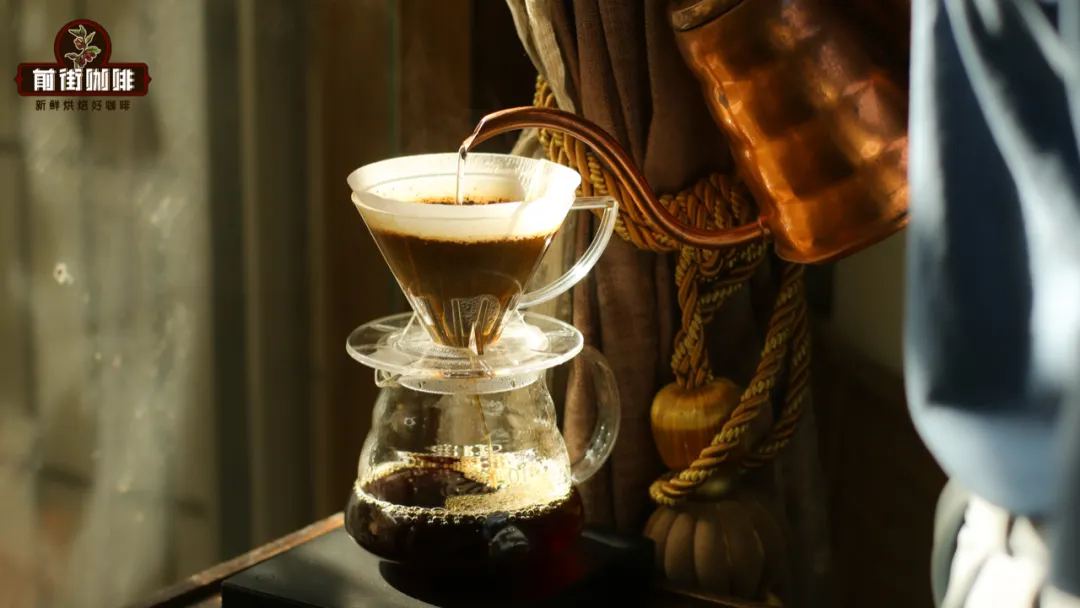
A noteworthy practical detail: grind size and dose must be adjusted in tandem. Increasing the dose without adjusting the grind setting may exacerbate channeling (where water preferentially flows through paths of lower resistance), ultimately compromising extraction uniformity. It’s recommended to check the grind setting and observe the appearance of the coffee puck after each minor dose adjustment—an ideal espresso puck should have a uniformly dense, compact structure, free of obvious cracks or signs of over-compaction.
For home users, a 0.5g difference might not significantly impact the overall experience; but for shop owners, accurately controlling each shot's dosing parameters directly affects customers’ perception of “professional quality.” Data-backed consistency ensures that every sip meets flavor expectations, which in turn builds reputation and repeat business.



The above content is compiled by CoffeeHunters, a coffee news website.


