








Introduction:Many beginners, when first trying out pour-over coffee using filter bags, often wonder how many times a single serving of coffee grounds can actually be brewed. Unlike tea leaves, which can be steeped multiple times, coffee is generally recommended to be brewed only once. What causes this difference? This article explores the soluble compounds in coffee—especially the characteristics of chlorogenic acids—to analyze the limitations on the number of brews and explain why re-brewing with a second pour is not advisable, helping you better understand how to brew a great cup of coffee.
In recent years, pour-over coffee filter bags have become a popular choice for many coffee newcomers due to their ease of use, enjoyable flavor, and relatively affordable price per pack compared to coffee shop-brewed drinks. However, many people have a series of questions the first time they try it—such as: How many times can you brew a filter bag coffee? Why can’t it be steeped multiple times like tea? This article will delve into the soluble components in coffee, particularly the extraction characteristics of chlorogenic acids, to explain in detail why coffee is usually best brewed just once, the potential flavor issues caused by multiple brews, and include some practical advice to help you better enjoy a balanced and smooth cup of pour-over coffee.
Theoretically speaking, as long as about 30% of the soluble substances in coffee beans remain undissolved, you could technically keep brewing. This means that if you insist on multiple pours, you can still obtain a liquid with coffee flavor. But in practice, whether using pour-over filter bags, hand drip, or other brewing methods, most people perform only one standard extraction. This is because coffee and tea differ fundamentally in their chemical composition and the way they release flavors.

For example, the soluble components in tea can be gradually released with each steeping, whereas nearly half of the soluble substances in coffee beans are chlorogenic acids. Chlorogenic acids are a class of natural polyphenolic compounds that are a major source of coffee’s bitterness, astringency, and certain acidic notes. These compounds not only tend to be quickly released during low-temperature extraction, but they also have a very low taste threshold—meaning even small amounts are easily detected by the taste buds, which can affect the overall balance of flavors.
The level of chlorogenic acids also varies depending on the roast degree. Generally speaking, the lighter the roast, the more chlorogenic acids are retained; conversely, during dark roasting, chlorogenic acids gradually break down and transform into other flavor compounds, so dark roast beans typically have a lower proportion of chlorogenic acids. But regardless of roast level, when chlorogenic acids are heavily present in the early-stage extraction, the coffee is more likely to taste bitter, astringent, and sour—this is one of the main reasons many people find the first brew unbalanced if extraction parameters aren't well controlled.
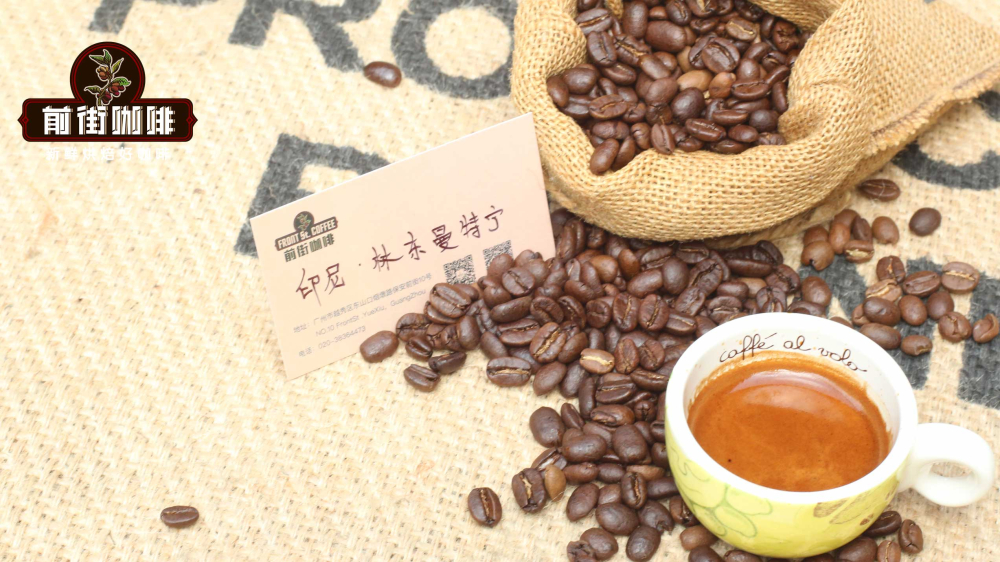
Therefore, to achieve a cup of coffee with balanced and smooth flavors, we usually control the extraction ratio to release about two-thirds of the soluble substances in the coffee beans. This ratio helps highlight the harmony of aroma, sweetness, and acidity in the coffee, while avoiding the premature release of those negatively perceived bitter and astringent off-flavors. In fact, many of these remaining unextracted substances belong to components that would dissolve later in the process and are more likely to result in unpleasant mouthfeel. Hence, it is professionally recommended to stop pouring water at the appropriate extraction stage.
This also explains why coffee is not as suitable for repeated brewing as tea. Each additional pour essentially extracts substances that have already been released or those that do not contribute positively to flavor. The outcome of multiple brews is often a drink with thin flavor and even noticeable off-notes. Moreover, even after the first standard extraction is complete, it is not advisable to perform a so-called “second pour,” as by then, most of the good flavor-enhancing compounds have already dissolved, and the remaining extract may only make the coffee more bitter and hard to enjoy.
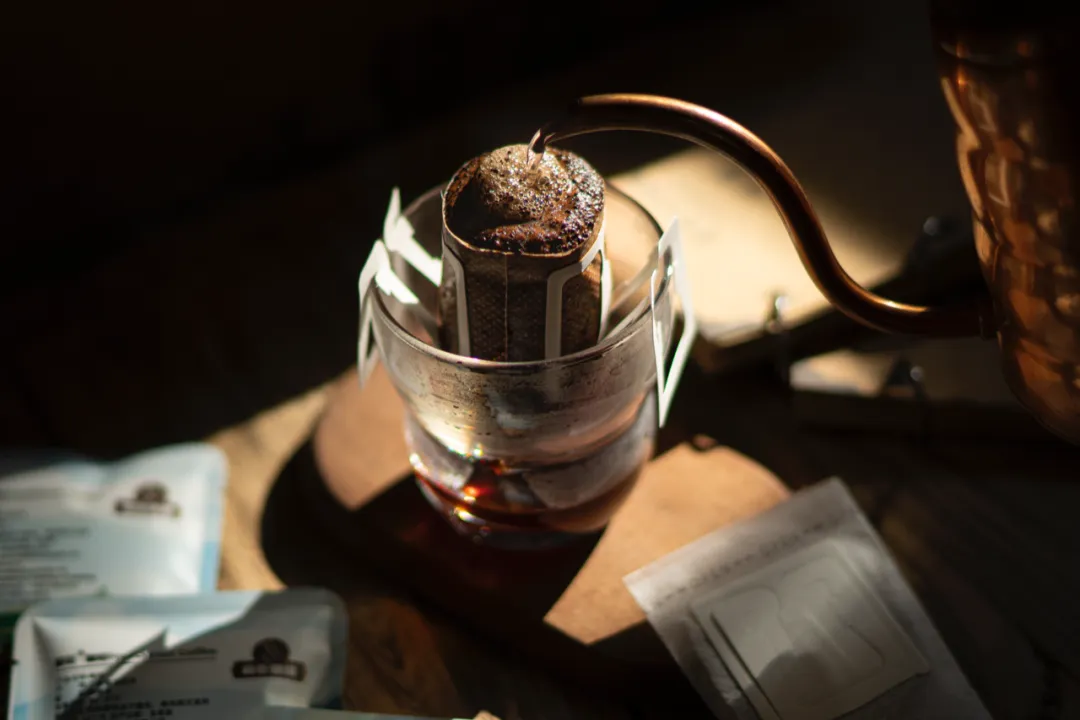
In summary, although from a technical standpoint, pour-over coffee filter bags can be brewed multiple times, in reality, for the sake of flavor quality, brewing just once is the most suitable choice in most cases. Multiple brews not only struggle to maintain a stable extraction balance but also tend to make the coffee taste unpleasant. If you’d like to explore different flavors of filter bag coffee, consider selecting varieties with prominent fruity notes or rich, low-acidity profiles according to your personal taste preference, to find the cup that suits you best.
The above content is compiled by CoffeeHunters, a coffee news website.


