







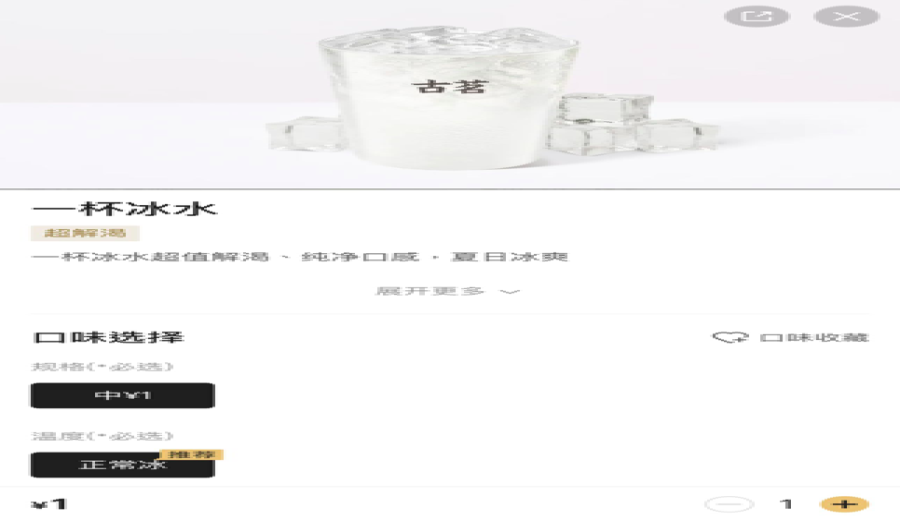
Introduction:Recently, GuMing quietly launched a 1-yuan iced water product on its official mini-program, sparking heated discussion among netizens. This simple beverage, consisting of a plastic cup, ice cubes, and plain water, may seem ordinary, but its affordability and versatile uses have made it a hot topic. However, some consumers have questioned whether this move is unnecessary, given that many other chain brands already offer free drinking water. This article will take an in-depth look at the actual cost of the 1-yuan iced water, its market reception, and its reference value for readers in Hong Kong, Taiwan, and overseas Chinese communities.
Recently, GuMing quietly added a new item to its official mini-program—a 1-yuan iced water. The product comes in a standard plastic cup filled with ice cubes and drinking water, ready to drink with a straw. Though it looks no different from regular iced water, its low price has quickly made it the center of attention.
Many consumers, out of curiosity, placed orders to try it and found that the iced water truly lives up to its billing: simple, refreshing, and affordable. One user commented, “For one yuan, you get over 500 milliliters of iced drinking water—it’s actually quite a good deal.” Especially in hot weather, a glass of iced water provides instant relief, and compared to bottled mineral water, it’s even more economical.
However, netizens’ creativity didn’t stop there. Some got inventive by adding espresso shots to the iced water, DIY-ing a budget-friendly version of an iced Americano; others planned to bring the cup to other drink shops to make customized milk teas or fruit teas, saving quite a bit of money. Some even added preserved plums and lemon slices to create a DIY drink reminiscent of GuMing’s own plum lemonade.
Still, many consumers have raised doubts, pointing out that numerous chain restaurants, including KFC and McDonald’s, already provide free iced water or drinking water services. Even at most casual street-side cafes, it’s common to be given a free glass of water. If you bring your own cup to a GuMing store, you can usually also get iced water for free—so why go out of your way to order a 1-yuan iced water?
More notably, according to some GuMing employees, the actual cost of this 1-yuan iced water may be higher than its selling price. The plastic cup alone costs around 70 cents, and when you add the ice and straw, the total cost exceeds 1 yuan, meaning each cup sold actually results in a loss for the store.
This situation is reminiscent of Mixue’s 1-yuan ice cup launched last year, which briefly became a viral hit but was eventually removed from shelves due to widespread complaints from franchisees about its lack of profitability. Many netizens worry that GuMing might suffer the same fate and find it difficult to sustain this offering.
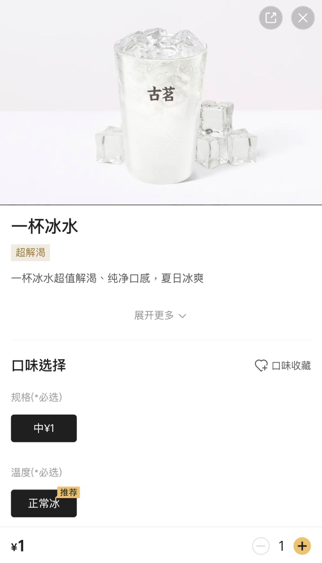
On the other hand, some argue that putting a clear price on iced water has its merits. Compared to having to ask a staff member for free iced water, which some consumers may find awkward or uncomfortable, ordering it from the menu not only reduces the psychological pressure of such interactions but also allows customers to enjoy the iced water more freely, without feeling self-conscious about getting something for free.
Additionally, some tea beverage brands, such as Luckin, do not proactively offer free iced water due to food safety and hygiene concerns. For customers of these brands, being able to buy a cup of iced water for 1 yuan is actually a practical solution. As a result, some consumers feel that while GuMing’s move may seem simple, it actually meets certain market demands and reflects thoughtful consideration for different consumer groups.
In summary, GuMing’s 1-yuan iced water has received mixed reviews in the market. For budget-conscious consumers, it may be a great choice for staying refreshed in the summer; but for franchisees focused on cost-effectiveness or customers accustomed to free services, this new initiative may seem somewhat contradictory. Whether GuMing can enhance its brand image through this service—or whether further strategy adjustments will be needed—remains to be seen.
The above content is compiled by CoffeeHunters, a coffee news website.


