







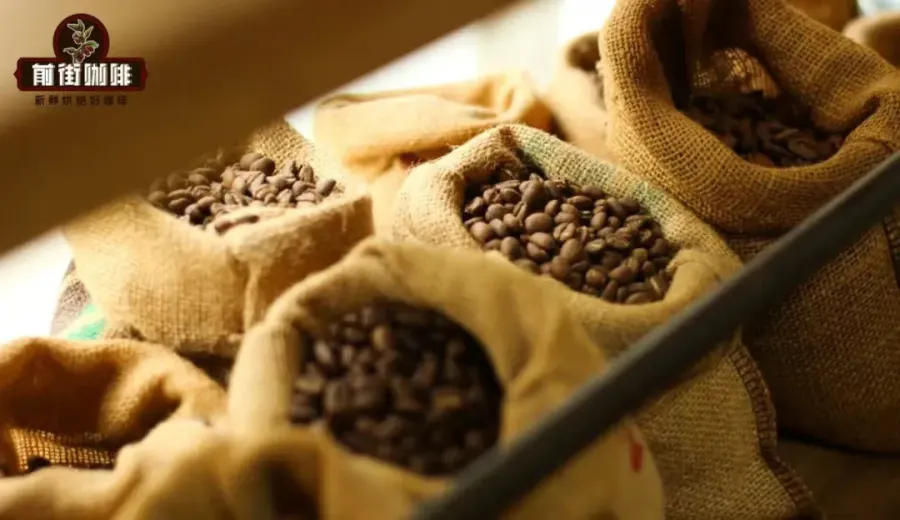
Introduction:Many beginner coffee enthusiasts often feel confused when choosing between "espresso beans" and "pour over beans." In reality, the main difference lies in the roast level and the brewing method they are suited for. This article delves into the core distinctions between espresso and pour over coffee beans, including roast level choices, extraction principles, the use of single-origin vs. blends, and the reasons behind their price differences. It aims to help you select the most suitable coffee beans based on your preferred brewing method.
For those new to coffee, facing the wide variety of coffee bean packaging and labels on the market can be overwhelming. Especially when encountering phrases like "espresso exclusive" or "recommended for pour over," it's easy to get confused. But actually, the difference between espresso beans and pour over beans is not as complicated as it seems—the key lies in matching the roast level with the appropriate brewing method. Understanding these basic concepts can help you choose coffee beans more precisely according to your brewing style.
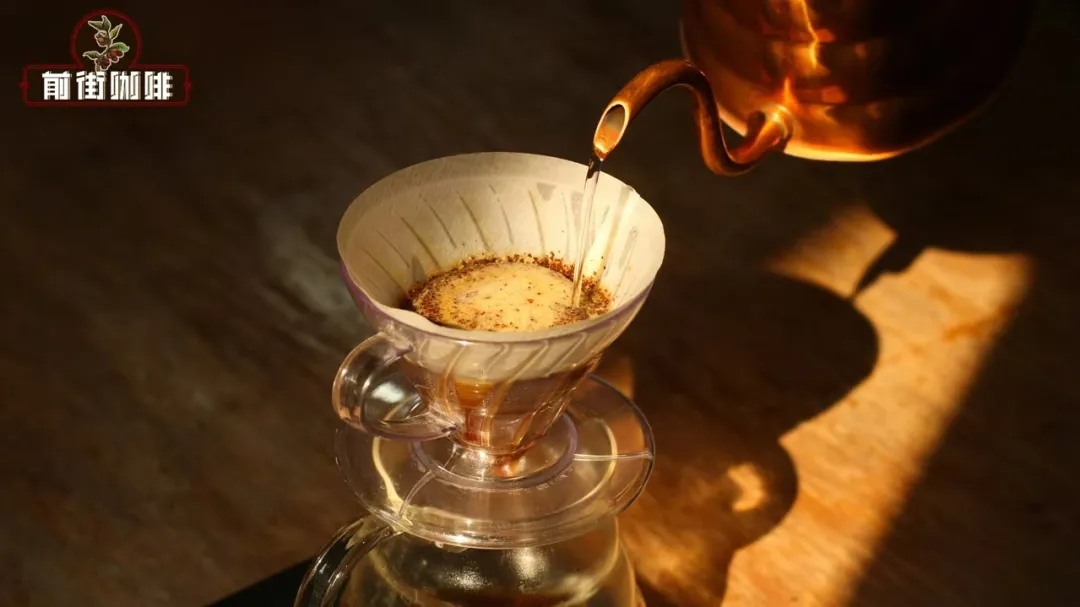
First,the biggest difference between espresso beans and pour over beans lies in the roast depth: espresso beans usually employ a darker roast, while pour over beans tend to favor a lighter roast. This roasting strategy is mainly designed to suit two distinctly different extraction methods. Pour over coffee uses a drip filtration extraction method, where hot water at normal pressure seeps through the coffee grounds, extracting flavors through dissolution and rinsing. This method is simple to operate and flexible to adjust, making it ideal for highlighting the layers and subtle details of the coffee itself. Espresso, on the other hand, is extracted under high pressure, forcibly drawing out flavor compounds in a very short time with minimal water volume, thus requiring a higher concentration in the extraction result.
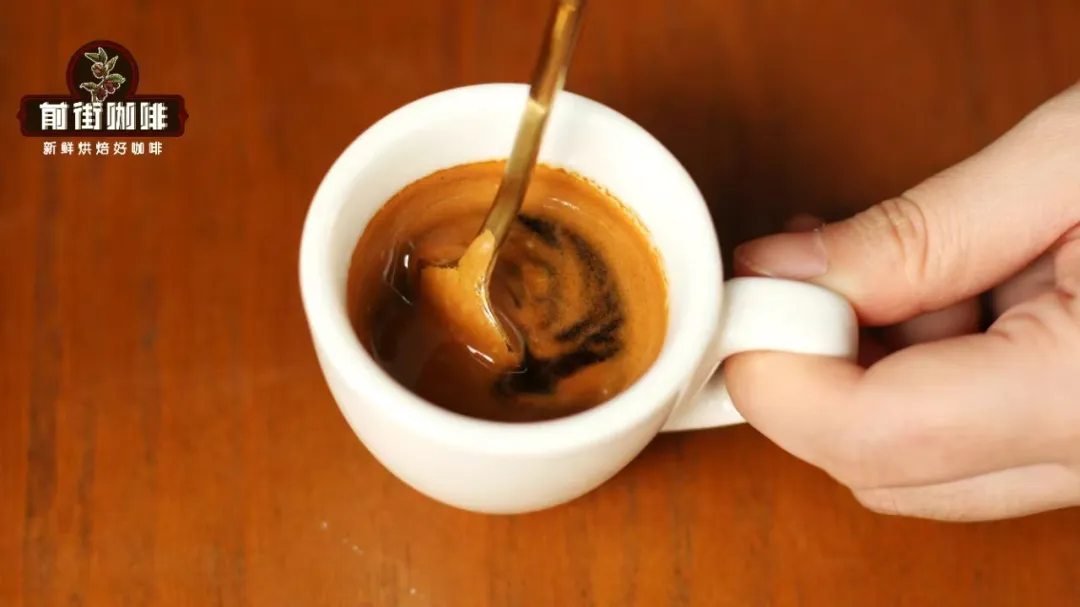
Due to the intensity of high-pressure extraction, the flavors of espresso are significantly amplified—both the good and the bad. This is why some light-roast beans with distinct flavors and pronounced acidity, when used for espresso, can easily produce overly sharp sour notes, especially when milk is added, creating a clash between the acidity and the creaminess. To achieve a smoother and more balanced taste,espresso beans typically require a darker roast level, which reduces acidity and develops deeper aromas such as caramel and nuts through caramelization, resulting in better harmony when paired with milk.
However, such dark roasting also means that some delicate floral and fruity notes may be masked. Therefore, if you want to fully experience the unique characteristics of a particular coffee bean, the pour over method with a light to medium roast often does a better job of showcasing its original traits. This explains why pour over coffee generally favors light to medium roasted beans, in order to preserve their intricate fruit acidity, floral notes, and sweetness.
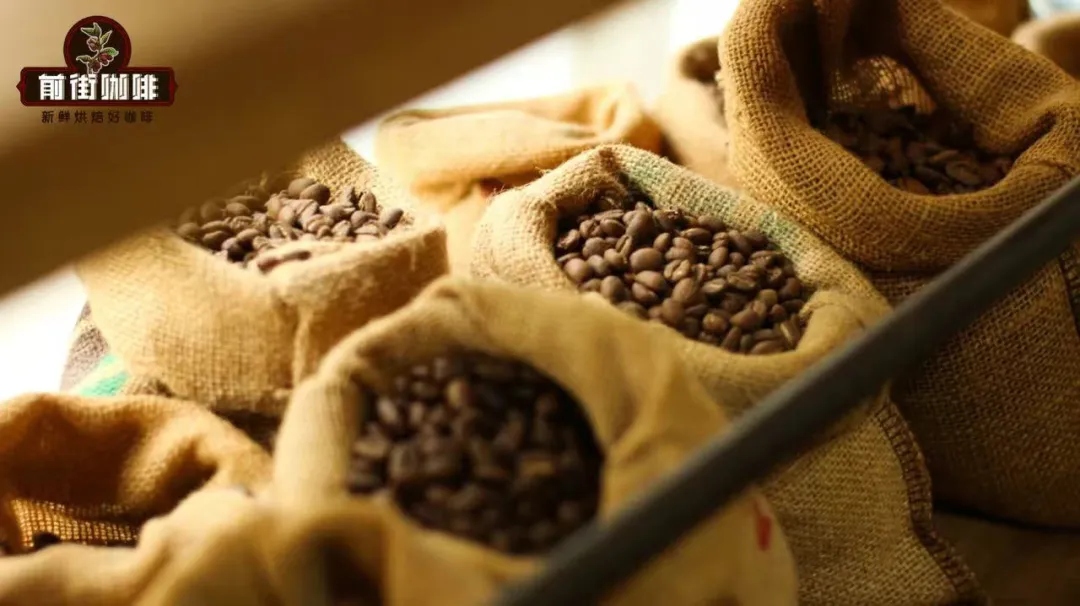
Many people mistakenly believe that "blends equal espresso beans, and single-origin equals pour over beans," but this is a common misconception. While it’s true that blends dominate the espresso market and pour over typically uses single-origin beans, the two are not absolutely corresponding.Blends are made by combining coffee beans from multiple regions or varieties, usually aiming to achieve a balance of flavors, consistency, or a specific taste profile, such as a rich chocolatey tone or a full-bodied mouthfeel. Single-origin beans, on the other hand, come from a single region or farm, and are better able to express the unique terroir characteristics of that origin.
It’s worth noting that pour over coffee can also use blends, especially when you’re seeking a diverse and layered flavor experience; similarly, espresso can be made using single-origin beans—as long as the roast level and grind size are adjusted appropriately, you can still produce high-quality espresso or milk-based drinks. The key is not the type of bean, but whether it aligns with your chosen brewing method and desired flavor profile.
When it comes to pricing, generally speaking, pour over coffee beans are more expensive than espresso beans. This is mainly becausepour over coffee often uses premium single-origin beans, whereas espresso commonly relies on commercial-grade blends. Premium beans have stricter selection criteria, limited production volumes, and require detailed traceability of origin information, all of which naturally drive up costs. In contrast, although commercial beans are cheaper, with proper roasting and blend design, they can still deliver rich and balanced flavors, making them well-suited for everyday drinking and meeting the needs of the mass market.
Taking common espresso blends as an example, such as classic mocha-flavored blends launched by some brands, the price is around NT$50 per pound (approximately 454 grams), and even lower discounts may apply when buying in bulk. In comparison, highly rated single-origin beans of the same weight often cost significantly more. This doesn’t mean commercial beans are inferior products—in fact, for most espresso drinkers, commercial beans can already provide sufficient coffee flavor and stimulation. The value of premium beans lies more in their delicate flavor layers and origin-specific characteristics, making them ideal for coffee enthusiasts who enjoy exploring nuanced flavors.
In summary, when choosing between espresso or pour over coffee beans, consider first your preferred brewing method. If you prefer methods such as pour over, French press, siphon, clever dripper, or cold brew—techniques that highlight subtle flavors—it’s recommended to opt for light to medium roasted single-origin beans, adjusting the roast level according to personal taste. If you often use an espresso machine or moka pot to make espresso or milk-based coffee, then choosing medium-dark to dark roasted blends or single-origin beans will make it easier to achieve a rich and balanced flavor. Understanding these basic differences will help you make the best choice for yourself among the wide array of coffee beans available.

The above content is compiled by CoffeeHunters, a coffee news website.


