







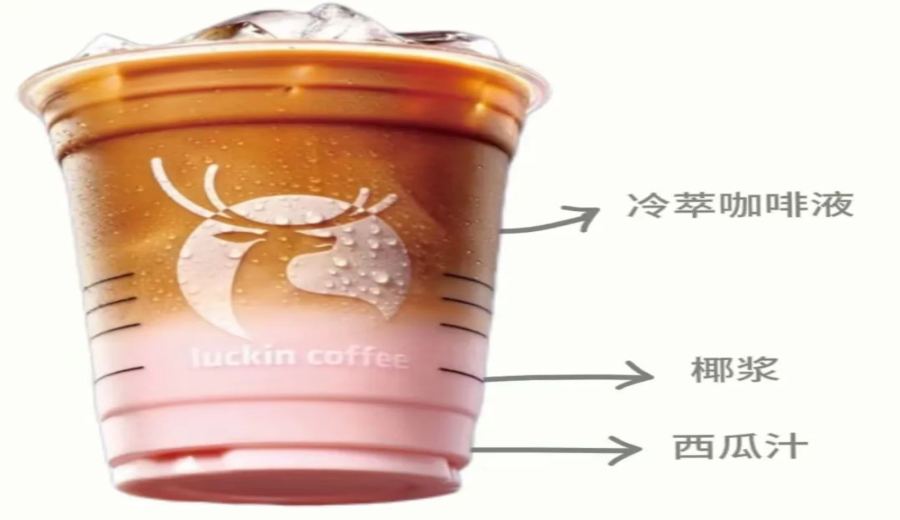
Introduction:Although Luckin Coffee’s upcoming new drink, the “Watermelon & Coconut Cold Brew,” is set to launch nationwide on April 7th, its unique 18-minute manual cold brew extraction process has already left frontline staff struggling. This article delves into the production process, quality control details, and practical challenges behind this new product, while also sharing how store employees manage the pressure during peak orders. It helps readers understand the flavor trade-offs of cold brew and the balance required in day-to-day store operations.
Luckin Coffee is set to launch its new summer beverage, the “Watermelon & Coconut Cold Brew,” in all stores on April 7th. However, even before its official debut, this new drink has sparked considerable discussion and complaints internally. Many store employees have reported that the core coffee base for this product requires a manual cold steeping process lasting as long as 18 minutes. Not only are the steps cumbersome, but the quality control requirements are also relatively high, adding extra strain to an already busy workflow.
According to frontline staff, the preparation process for this cold brew requires precise control at every step. First, employees must print freshness labels, wear disposable gloves, and properly place the filter paper. Then, they pour a specified amount of coffee grounds into a 5-liter cold brew pitcher, add drinking water, and stir thoroughly to ensure even mixing. After that, an 18-minute timer is started. During this time, employees can attend to other tasks, but once the timer ends, they must put on gloves again, carefully filter the coffee liquid, transfer it to a clean storage pitcher, and finally refrigerate it.
Although the 18-minute steeping time is far shorter than the several hours typical of traditional slow cold brew methods, in the fast-paced environment of modern retail stores, such manual handling remains particularly time-consuming. Some staff jokingly say they’ve turned into “pour over baristas,” having to focus daily on controlling extraction time and quality — something that isn’t typically emphasized in their regular training.
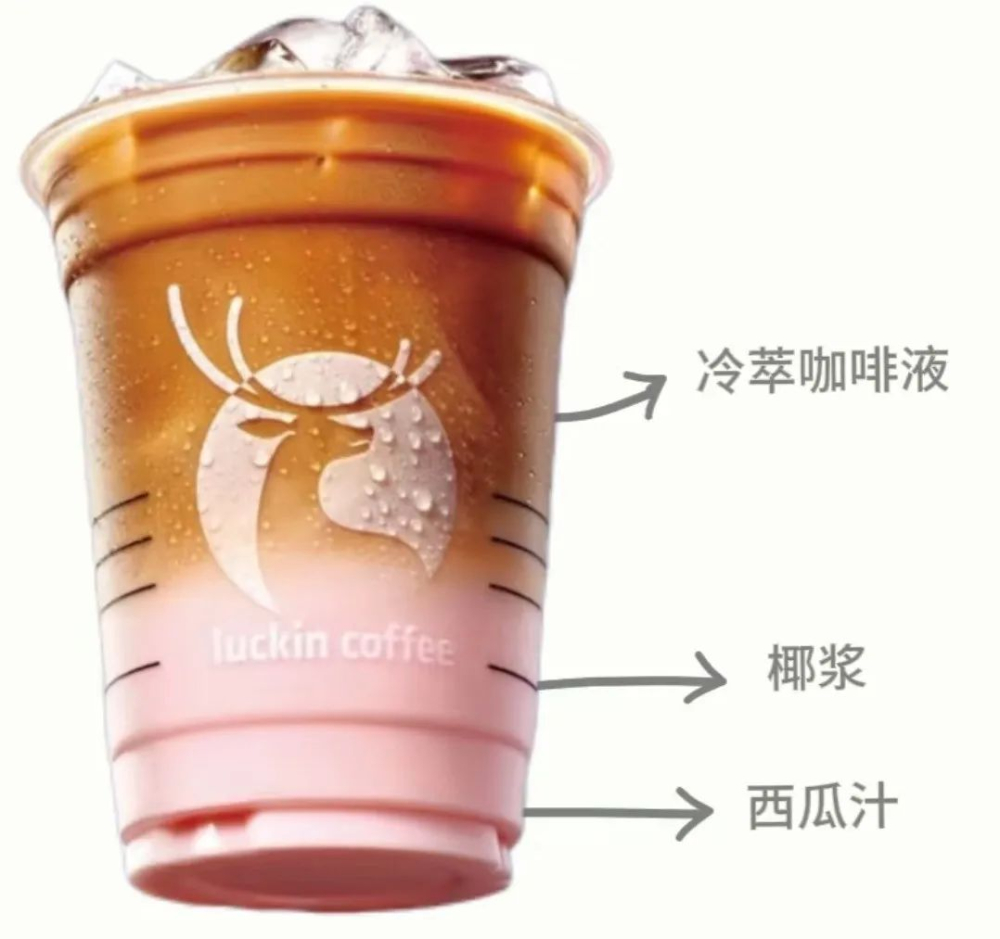
What adds to the headache is that each packet of coffee grounds can only produce about 4.5 servings, and due to the limited capacity of the cold brew pitchers, it's not possible to steep two packets simultaneously. This means that when stores face a sudden rush of orders — for example, when customers place five or more orders at once — the existing stock simply won’t meet demand. In such cases, according to company policy, stores are not allowed to stop selling the new product. Staff can only communicate with customers, asking them to wait patiently for the next batch of coffee to be prepared. This often leads to customer dissatisfaction, order cancellations, and even impacts the store’s service ratings and timeliness metrics.
Some employees have further pointed out that several products in the current “Qing Qing” (Light & Refreshing) series already require manual tea brewing. Adding an 18-minute cold brew coffee on top of that will only increase the pressure during peak hours. Staff not only have to manage multiple timers, but also clean each one after use, adding significantly to their post-service workload. Some employees have even created memes to humorously express their frustration and stress over the new procedures.
Nevertheless, some industry insiders point out that the 18-minute steeping time may be a compromise that Luckin’s R&D team has reached between flavor and efficiency. Compared to traditional long-duration cold brews, this method might preserve the original aroma of the coffee while shortening the wait time and reducing reliance on equipment and space in the store. However, how to balance quality and efficiency in actual operations remains a challenge that both store staff and management must tackle together.
In summary, the launch of this new product is not just an opportunity for consumers to try something new, but also presents a whole new set of operational challenges for back-of-house staff. Understanding these behind-the-scenes production details helps us take a more comprehensive view of the journey a cup of cold brew takes — from development to serving — and the various trade-offs and adjustments involved.
The above content is compiled by CoffeeHunters, a coffee news website.


