







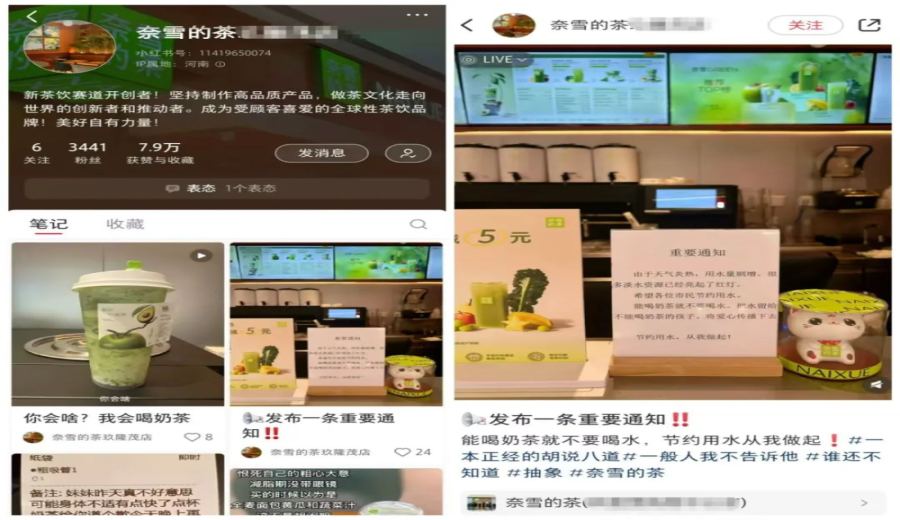
Introduction:Recently, a Nayuki store in Henan posted a humorous sign reading "If you can drink milk tea, don’t drink water," sparking heated online discussion and a brand trust crisis. Although the store claimed it was merely following an internet meme trend, the official-looking “Important Notice” led many consumers to question the brand’s professionalism and responsibility. This article delves into the marketing ethics and franchise management issues behind the incident, and explores how tea beverage brands can strike a balance between meme culture and brand image.
A sign titled “Important Notice” with the text “If you can drink milk tea, don’t drink water” recently caused an uproar on social media. Posted by a Nayuki outlet in Henan, the notice not only featured a shocking message but was also placed in a highly visible location at the entrance—prompting many to view it as misleading. Reportedly, the sign, under the guise of “water conservation,” urged people to “save water for children who can’t drink milk tea,” and included popular internet tags such as “deadpan absurdity.” Though seemingly humorous, it stirred widespread controversy.
Media investigations revealed that the notice was printed and displayed by the franchise store manager at the counter for several days. Staff explained that the manager created the “funny notice” to fulfill a promotional task assigned by the mall but lacked inspiration, so they mimicked a viral internet meme. The manager emphasized that it was meant purely for entertainment, with no specific marketing or guiding intent. However, for consumers unfamiliar with internet culture or those sensitive to brand messaging, such a black-and-white sign could easily be mistaken for the brand’s official stance.
As netizens engaged in heated discussions, related topics quickly trended, such as:“Nayuki Tea Store Notice: If You Can Drink Milk Tea, Don’t Drink Water”These keywords drew significant attention. Many users left comments criticizing the move, arguing that “some jokes really shouldn’t be made,” with some even sarcastically responding, “If you can drink water, don’t drink Nayuki tea,” highlighting the public’s serious expectations regarding brand responsibility and the dissemination of public information.
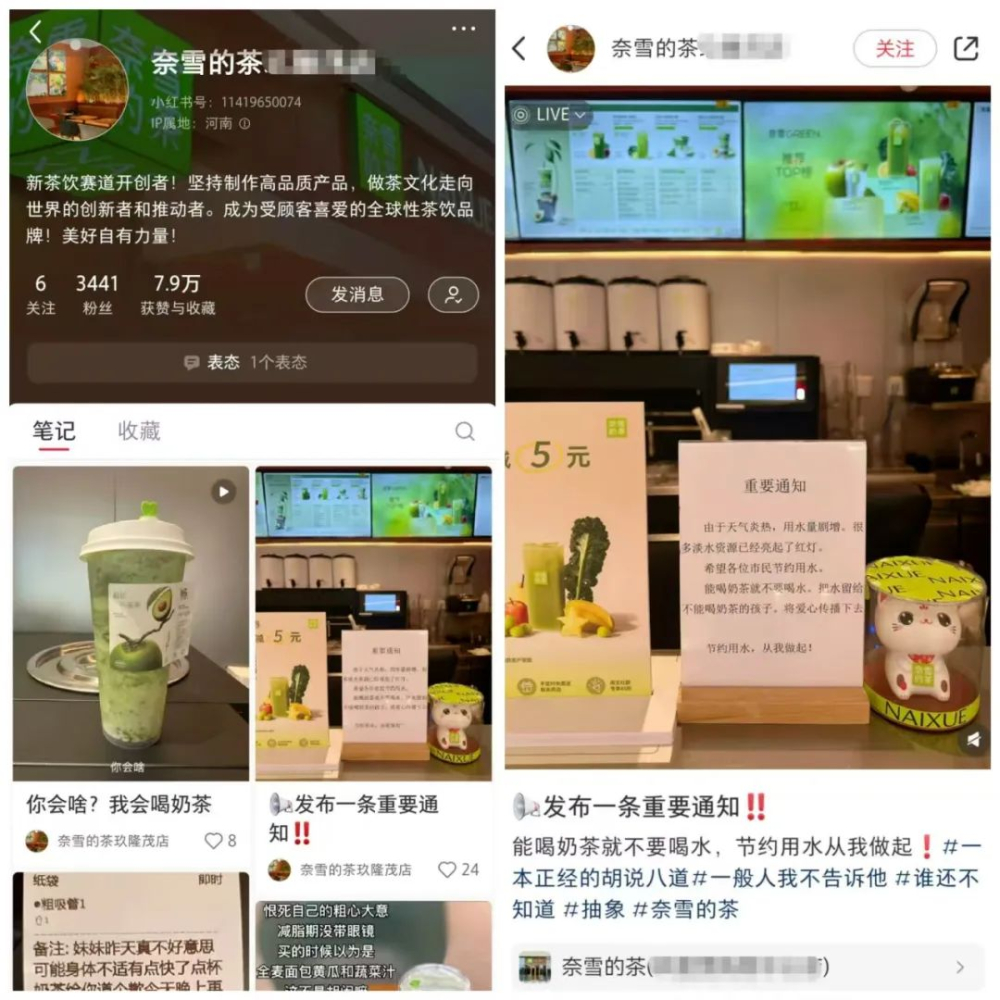
In response, Nayuki’s headquarters stated that this was the action of an “individual franchise store,” and after becoming aware of it, they immediately demanded the removal of the content. They also emphasized strengthening overall store management to prevent similar incidents. It is understood that the franchise store, upon receiving notice from the regional manager, swiftly took down the controversial sign and cleared related posts from its social media accounts.
The discussion sparked by this incident goes beyond the content of a single sign. Industry insiders pointed out that as tea beverage brands rapidly expand, the proportion of franchise stores continues to rise. Striking a balance between maintaining brand consistency and allowing franchisees creative freedom has become a major challenge in brand management. Especially in the social media era, any store’s “meme-playing” behavior can quickly spread and impact the brand’s overall image.
Experts suggest that in addition to enhancing training and regulations for franchise stores, brands should establish more immediate feedback and monitoring mechanisms. Marketing content that could lead to misunderstandings or controversy should be reviewed in advance or accompanied by clear guidelines. Moreover, when creating promotional materials, franchise stores should fully consider audience sentiment and ensure the accuracy of information dissemination, avoiding damage to long-term brand credibility for the sake of short-term traffic.
In summary, although the “drink milk tea, not water” sign incident may seem like a trivial anecdote, it serves as a reminder to all brands and franchisees that while pursuing creativity and interaction, they must firmly uphold the bottom line of professionalism and social responsibility. For consumers, it also provides a lesson in discerning marketing rhetoric from factual information, enabling more informed purchasing decisions.
The above content is compiled by CoffeeHunters, a coffee news website.


