







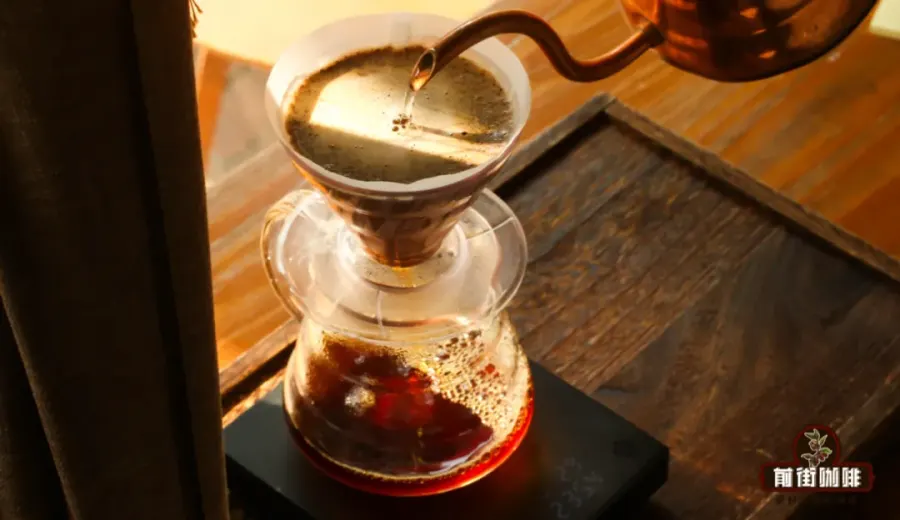
Introduction:Want to make your pour over coffee taste sweeter? The "high, fast, fine, large" four-step extraction method combines high water temperature, fast extraction, fine grind size, and large water flow to bring out the coffee’s sweet aromas and balanced acidity-sweetness profile in a short time—especially well-suited for medium to light roasted Arabica beans. This article dives deep into the principles behind this technique, provides practical operational details, and recommends several high-value, flavor-packed beans to help you easily brew sweet and delicious pour over coffee.
Many coffee enthusiasts prefer drinks with a distinct sweetness, which has led to the development of various extraction methods in the pour over world aimed at enhancing sweetness. Among them, the "high, fast, fine, large" method is one that has garnered significant attention. It combines four seemingly extreme parameters: high water temperature, fast extraction (short total brew time), fine grind size, and large water flow. This allows the brew to be completed in a relatively short period, effectively reducing the release of bitter compounds while highlighting the coffee’s sweet aromas and balanced acidity-sweetness. This method is especially well-suited for medium to light or light roasted Arabica beans, such as some high-value options with vibrant flavor profiles.
At first hearing, the term "high, fast, fine, large" may sound confusing, as the four words don’t seem directly logically connected. In reality, however, the name is directly derived from the four key parameters: high water temperature, fast extraction (short total time), fine grind, and large water flow. By combining these four extreme conditions, it’s possible to extract a sweet-tasting coffee liquor in a short time. So, how do these parameters influence coffee flavor to make the sweetness more prominent?
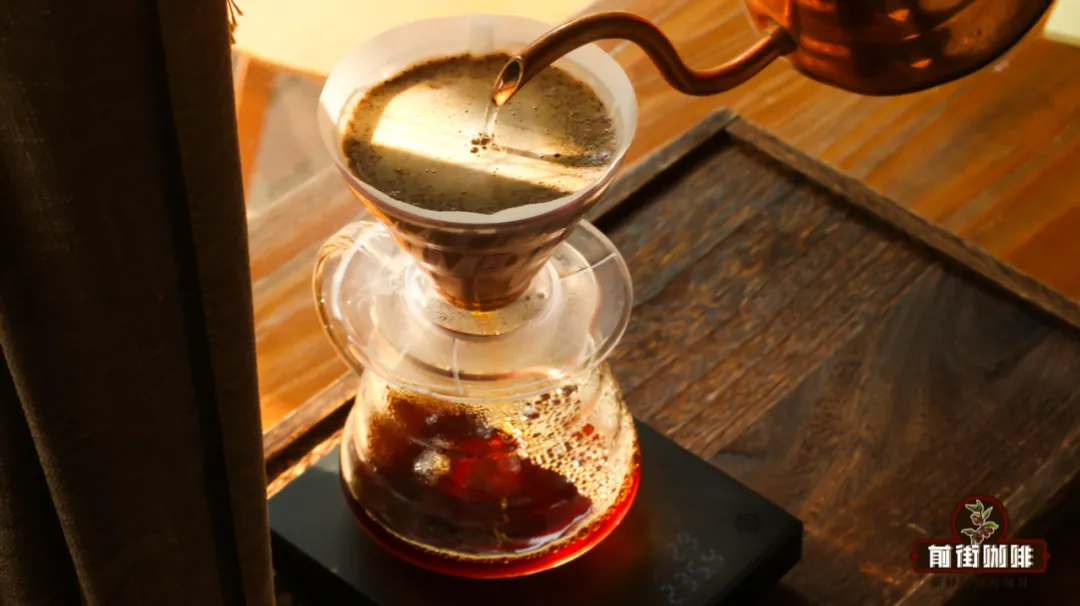
First, we need to understand that the “sweetness” in coffee doesn’t come solely from sugars, since coffee itself contains relatively few sugar compounds. The sweetness we perceive more often comes from the sweet notes in the aroma, as well as the overall balance created between acidity and bitterness (those interested in delving deeper can refer to related literature). To make the sweetness stand out more, besides choosing coffee beans that are naturally mild in acidity, low in bitterness, and rich in sweet aromas (typically medium to light roasted), you can also adjust extraction parameters to ensure that the sweet components are released at the right time, avoiding excessive dominance by acidity or bitterness in the overall flavor.
The design philosophy of "high, fast, fine, large" is to complete the extraction in a short time, thereby reducing the release of bitter substances. The three main flavor compounds in coffee—acidity, sweetness, and bitterness—dissolve at different rates due to their varying molecular sizes: acidity dissolves the fastest, sweetness next, and bitterness the slowest. By controlling the extraction time, you can finish extracting before a large amount of bitterness is released, thus preserving more sweetness and acidity. Additionally, high water temperature and fine grind help fully extract the coffee’s flavors within a short time, avoiding under-extraction.
It’s important to note that this extreme combination of parameters is not suitable for dark roasted coffee beans. Because in dark roasts, bitter compounds are released almost throughout the entire brewing process, rather than predominantly in the later stages. Using the "high, fast, fine, large" method on dark roast beans can easily lead to over-extraction, making the coffee overly bitter and astringent. Therefore, this method is better suited for medium to light roasted or light roasted Arabica beans—especially those processed via honey or natural methods, which have bright flavors and pronounced sweetness, such as some high-value, highly rated options available on the market.
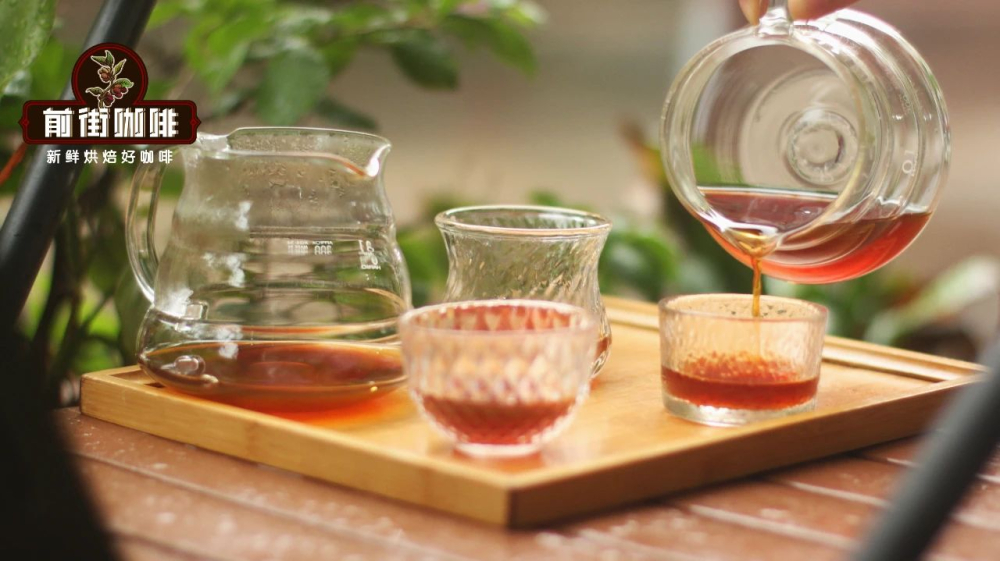
Next, let’s break down the actual operation of the "high, fast, fine, large" method in detail. Although the name is fixed, the actual parameters can still be slightly adjusted based on the characteristics of the coffee beans used. The key lies in mastering the four core principles: high water temperature, fast extraction, fine grind size, and large water flow.
The bean used in this demonstration is a medium to light roasted lot with distinct tropical fruit sweetness, well-suited for this extreme extraction approach. Recommended parameters are as follows: set the brew water temperature to 94°C, adjust the grind size to around 9 on the Ek43 grinder scale(slightly finer than typical pour over grind), use a 1:16brew ratio,
and employ the single-pour (one-shot) method with a V60 filter cone.
Since about 85% of the total water volume will be poured in a single stage during the second phase, it is recommended to create a small well in the center of the coffee bed using a spoon or stir stick before blooming. This helps the coffee grounds absorb water and degas more evenly during the bloom stage, improving overall extraction stability and consistency. For the bloom stage, use approximately twice the weight of the coffee dose in water (about 30–50 milliliters, depending on the dose) and bloom for30 seconds
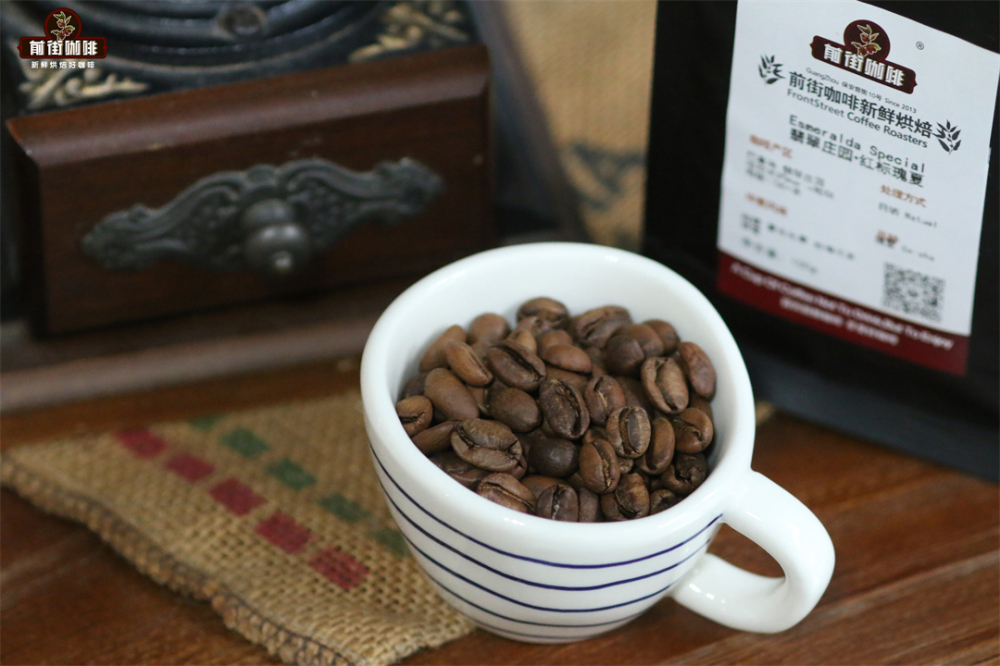
. After blooming, proceed to pour the remaining target water volume all at once or in parts using a large water flow and circular pouring technique (this example uses the single-pour method, i.e., all water is poured at once). The pouring path can be freely adjusted—whether using large circles, small circles, or a spiral “mosquito coil” pattern is up to you—the key is to maintain a steady flow and even coverage. Once pouring is complete, wait for the coffee liquor to fully drip into the server. The total extraction time is approximately1 minute and 25 seconds 19.35%, similar to a standard single-pour brew method but with higher extraction efficiency. Actual test data shows that this method achieves an extraction yield of about 1.31%, with a concentration of
, placing it in the medium-high concentration range, which fully showcases the coffee’s layered flavors.
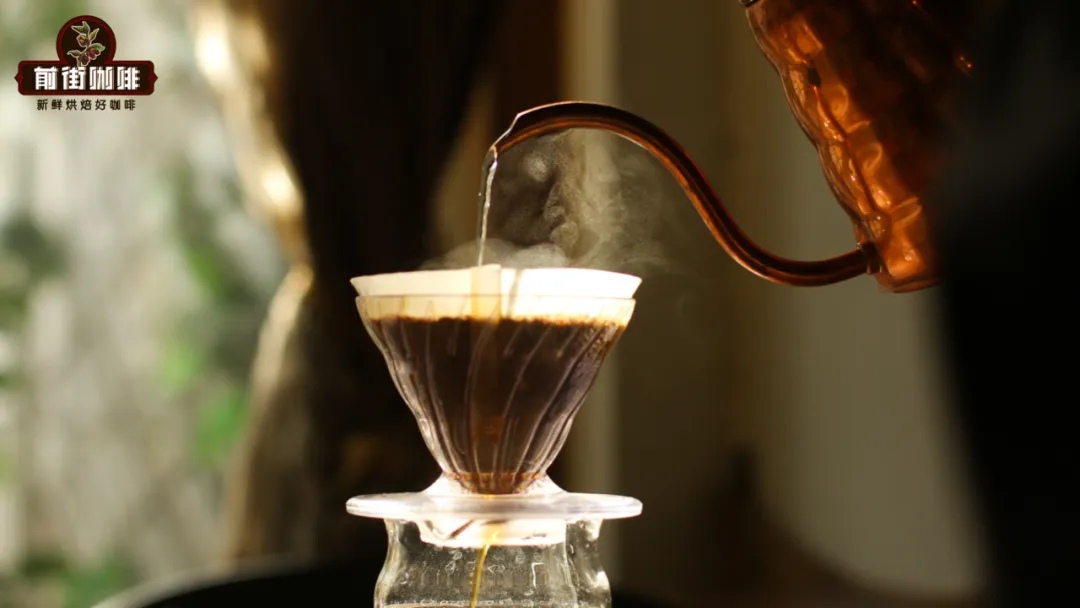
When tasting, you can clearly perceive flavors such as mango, pineapple, and citrus—tropical fruit notes—with prominent sweetness, a light mouthfeel, and a lingering aftertaste reminiscent of oolong tea. It’s highly suitable for drinkers who enjoy a balance of fruity aroma and sweetness.

The above content is compiled by CoffeeHunters, a coffee news website.


