







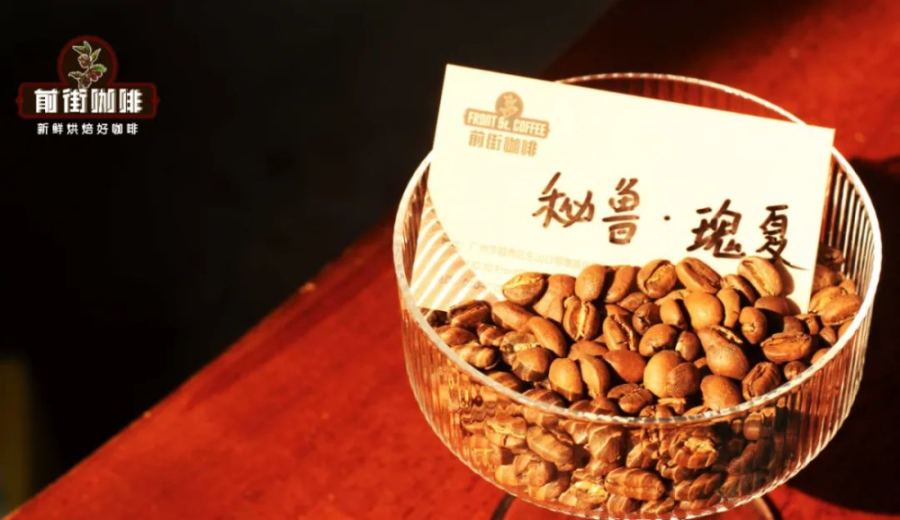
Introduction:Want to explore the unique charm of washed Geisha from Peru’s Cajamarca region? This article delves into the region’s geography and the background of its coffee industry development. Through hands-on cupping experiences, it takes you on a journey to discover its delicate flavors of white floral notes, prune, citrus, and black tea, while also analyzing the key steps of the washed processing method. A must-read guide for specialty coffee enthusiasts and those interested in exploring niche coffee regions.
Although Peruvian coffee may not be as famous as that from Colombia or Brazil, it boasts rich flavor layers, a mild taste, and high cleanliness, gradually making its mark in the international specialty coffee market. As the country with the highest global production of organic coffee, Peru’s coffee industry has traversed a winding path—from colonial plantations and large estate operations to the revival of cooperatives. This article will introduce you to Peru’s main coffee-producing regions, grading systems, and processing techniques, with a focus on the northern specialty region of Cajamarca. Through a cupping of a washed Geisha, you’ll experience its unique flavor profile of white floral notes, prune, citrus, and black tea.
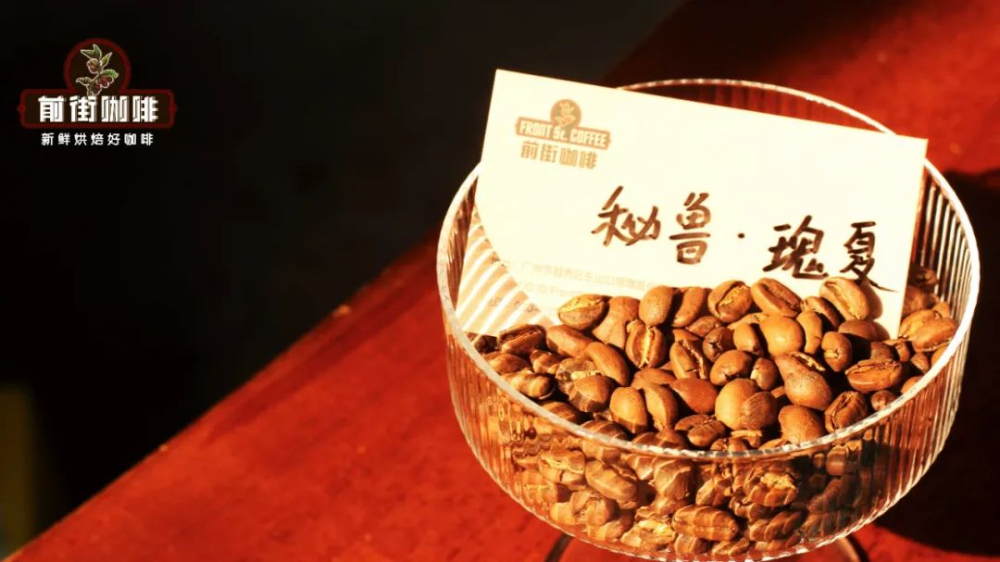
Many coffee lovers may still find Peruvian coffee unfamiliar. Compared to other high-profile regions, Peru is indeed relatively low-key. However, being low-key doesn’t mean being ordinary. With its soft, balanced taste and excellent cleanliness, Peruvian coffee has won the favor of many coffee professionals and consumers in recent years, emerging as a dark horse in the international market.
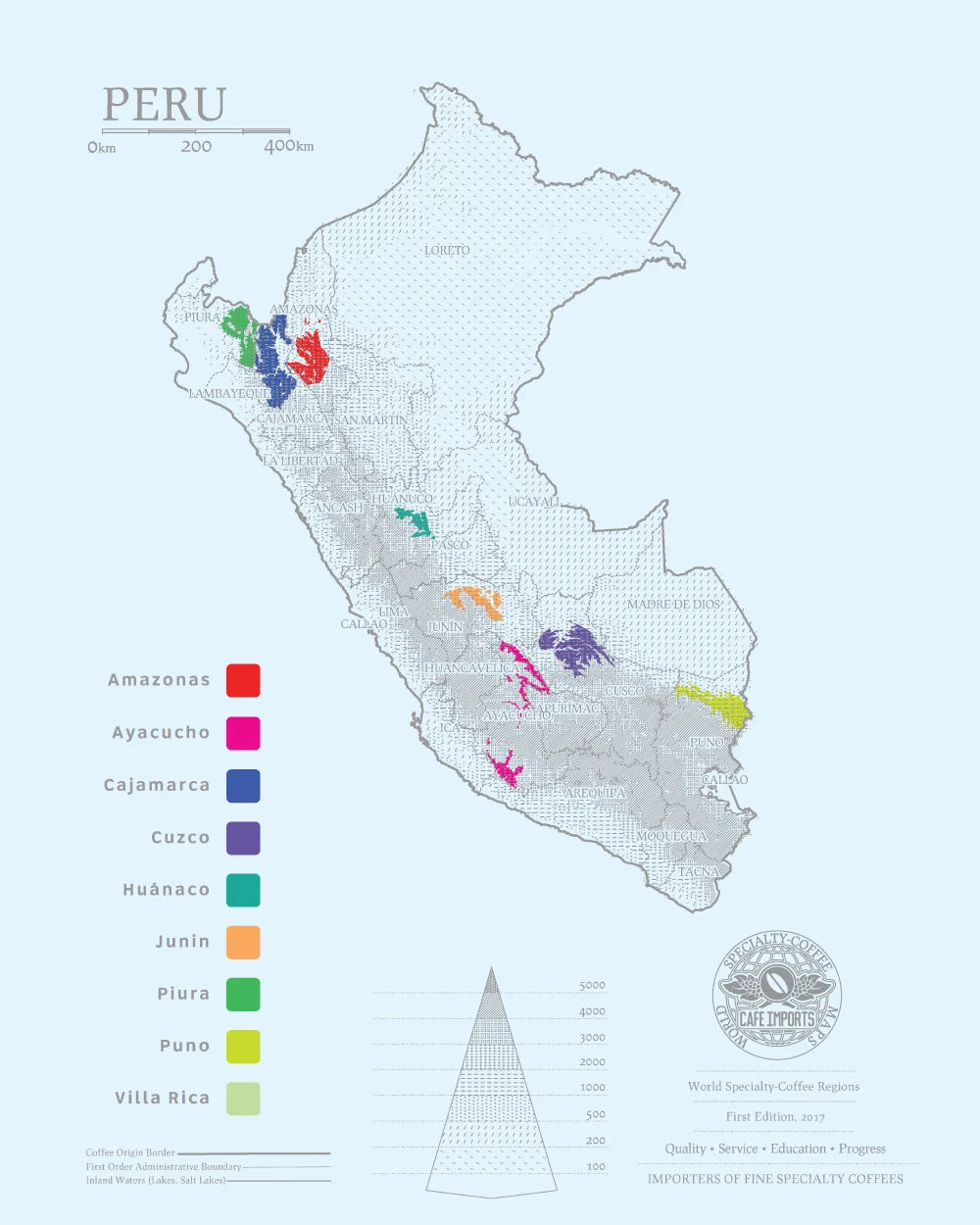
In the ancient indigenous language, Peru (Peru) means “land of abundance” or “granary,” which is closely related to its exceptional agricultural conditions. Located in western South America, Peru borders Brazil, Chile, Colombia, Ecuador, and Bolivia, with over 2,414 kilometers of Pacific coastline to the west. The country features diverse terrain, including plateaus, mountains, deserts, and coastlines. The Andes Mountains run through the entire territory, providing the ideal altitude and microclimate for coffee cultivation.
Peru’s coffee-growing areas are mainly concentrated in the Andes Mountains at altitudes between 1,200 and 2,000 meters. The cool climate, significant day-night temperature differences, fertile volcanic soil, and moderate rainfall create optimal conditions for growing high-quality coffee. The country’s three major producing regions are the north, central, and south, with the northern region being the largest, accounting for about 43% of the country’s coffee cultivation. The altitude here generally ranges between 1,250 and 1,950 meters, making it a key source of specialty coffee.
Coffee is Peru’s second-largest agricultural export commodity, after asparagus, playing a pivotal role in the national economy and rural community development. According to statistics from the Peruvian Coffee Chamber, Peru’s coffee exports reached 220,000 tons in 2024, ranking ninth globally, while its organic coffee production remains the highest in the world, with a value of approximately $1.103 billion. The main export markets include the United States, Germany, and Nordic countries.
However, the development of Peru’s coffee industry has not been smooth sailing. Its history is closely tied to colonial history, land reforms, fluctuations in international markets, and sustainability issues. As early as the late 18th century, Spanish colonists introduced coffee to Peru, where it was initially grown as an ornamental garden plant. It wasn’t until after Peru’s independence in 1821 that the government began promoting cash crop cultivation to fill the gap left by the declining silver mining industry. In the 1850s, influenced by the booming Brazilian coffee industry and the impact of coffee leaf rust, European immigrants brought coffee cultivation techniques to regions like Cajamarca, employing indigenous people and Chinese laborers for farming. From then on, Peru’s coffee industry gradually took shape.
By the end of the 19th century, the large estate system became the dominant production model. Historical records show that around 1890, nearly 80% of Peru’s coffee was produced on large estates. However, this model was highly sensitive to international market prices. The Great Depression of 1929 caused coffee prices to plummet by 60%, triggering social unrest. In the 20th century, smallholder farmers became the main force, with an average farming area of just about 2 hectares. While this improved social equity, the fragmented operations faced challenges such as difficulties in technology dissemination and low efficiency.
It wasn’t until the 1980s, with the help of German church organizations and fair trade institutions, that coffee cooperatives were established in northern Peru. Through collective purchasing and equipment sharing, production costs were reduced, gradually reversing the industry’s struggles. After the signing of the North American Free Trade Agreement in 1994, Peruvian coffee entered the international premium market with a high-standard image of being “organic” and “Rainforest Alliance certified,” leading to stable industry growth.
Organic farming emphasizes the non-use of chemical fertilizers and pesticides, while Rainforest Alliance is an international non-profit organization that certifies farms meeting strict sustainability and organic standards. The commonly mentioned “frog beans” refer to coffee beans that have received this certification. In 2003, Peru became the world’s largest producer of organic coffee, with 110,000 hectares of certified organic area. This achievement is attributed to the Andes Mountains’ natural pest suppression environment and the technical support from non-governmental organizations, allowing Peruvian coffee to finally establish a solid foothold in the specialty market.
Similar to other South American countries, Peru mainly cultivates Arabica varieties, but its grading system is primarily based on altitude and bean hardness. Thanks to abundant water resources, the region widely adopts the washed processing method, which effectively highlights the pure flavors of coffee. Traditional washed processing steps include: flotation to remove defective beans, removal of pulp and flesh, fermentation to remove mucilage, drying of parchment coffee, and finally hulling to remove the outer shell. The entire process requires precise control to preserve the best flavors.
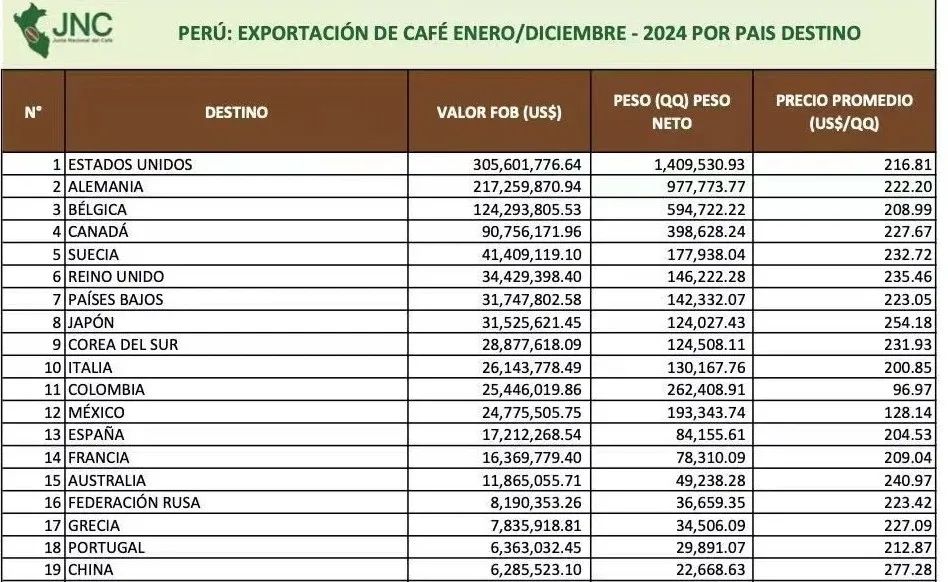
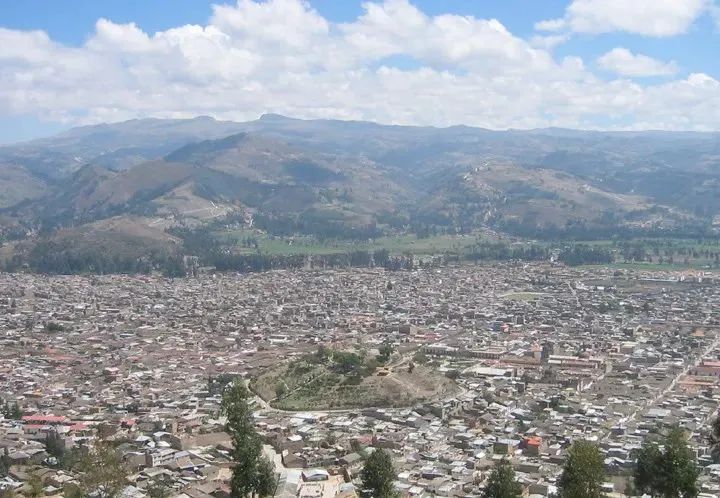
To gain a deeper understanding of the actual flavor profile of Peruvian coffee, we specifically selected a washed Geisha from the Cajamarca region for cupping. Cajamarca is one of the most important specialty coffee-producing regions in northern Peru, where local smallholders possess rich experience and skills, making the region’s coffee highly competitive in the specialty market.
The cupping results showed that this washed Geisha had a rich dry aroma, featuring prominent white floral notes, berries, preserved plums, and citrus. When brewed with hot water, it released sweet aromas of peach and caramel. The flavor layers were clear—upon tasting, one could sense the balanced acidity and sweetness of prune and citrus, a juicy freshness in the mid-palate, and a lingering finish of black tea-like richness and aftertaste. The overall performance was extremely balanced and delicate.
The above content is compiled by CoffeeHunters, a coffee news website.


