







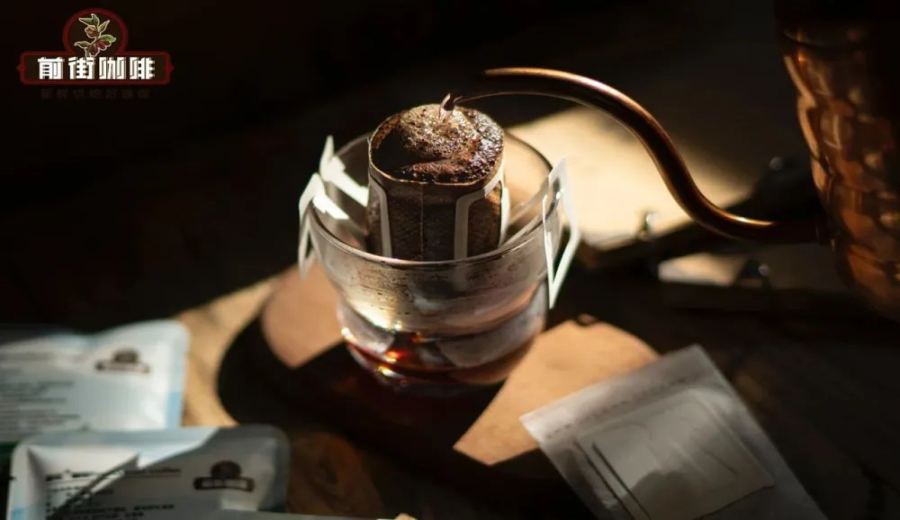
Introduction:Want to make pour-over coffee at home with filter bags but not sure how to choose the right grind size and coffee amount? This article explains in detail how coarse or fine to grind coffee beans for pour over based on roast levels, covering filter rate percentages through sieves and common grinder settings for light to medium, medium to dark, and dark roasted beans, with real coffee examples. It also provides precise instructions for portioning, sealing, and storing each 10g pack of coffee powder to help you preserve the fullest flavor of your coffee.
In recent years, pour-over coffee has gradually become the first choice for many coffee enthusiasts. However, the fast-paced lifestyle has made convenient filter bag coffee a practical compromise. While store-bought filter coffee is ready to brew instantly, its aroma tends to dissipate quickly. Choosing to buy whole beans, grinding them yourself, and portioning them into filter bags not only retains more delicate flavors but also extends the optimal drinking period. This article will deeply explore how to adjust the grind size to best suit pour over based on different roast levels of coffee beans, and guide you step by step to create your own custom filter bags.
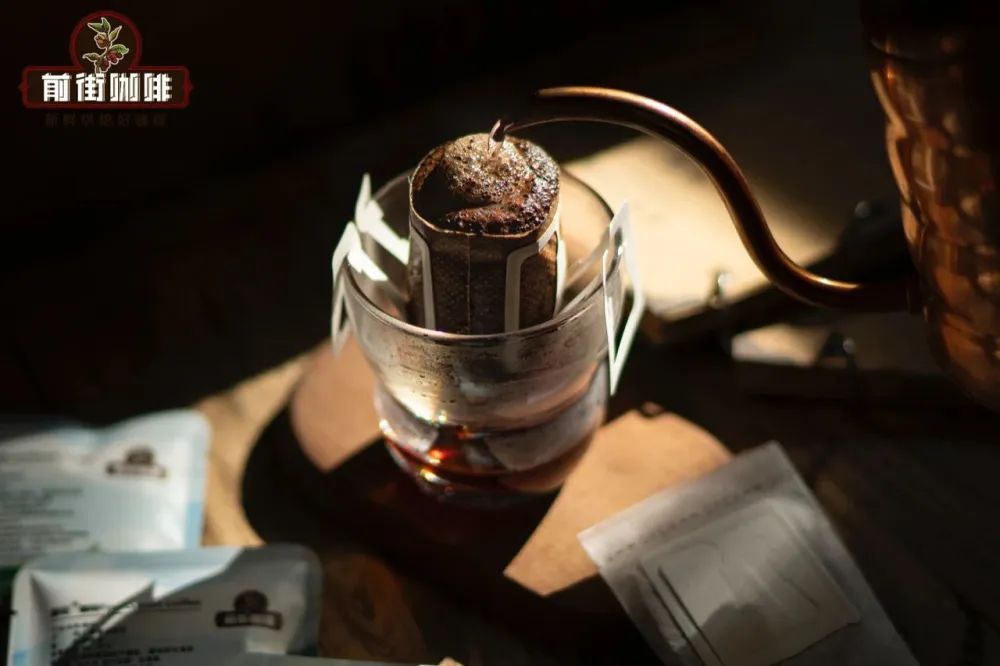
As specialty coffee culture becomes more widespread, pour over is no longer just for professional baristas. More and more office workers, students, and even high schoolers have begun trying pour over to explore the diversity of coffee. Compared to the monotony of instant coffee, pour over can be adjusted to personal taste preferences and allows you to experience the unique flavor layers that beans from different regions offer. However, not everyone has time to brew a proper cup of coffee every day, making homemade filter bags an ideal solution.
The market offers a wide variety of filter bag coffees, with many brands providing classic beans from various regions—for example, Mandheling with its rich, bold aroma, Brazilian beans with a distinct nutty profile and balanced taste, Yirgacheffe with bright fruity acidity and floral-fruity aromas, and Geisha showcasing elegant floral notes. Each bean variety has its own unique flavor profile, suitable for different preference levels among drinkers.
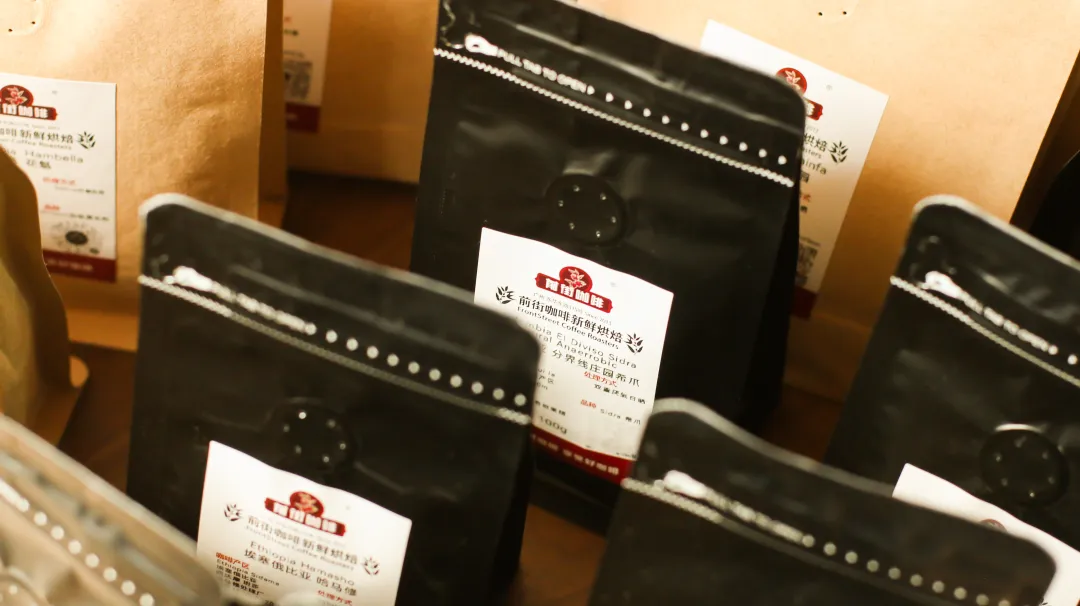
It’s especially important to note that freshly roasted coffee beans typically have an optimal flavor window of three to forty days. But once ground into powder, their volatile aromatic compounds rapidly dissipate, resulting in a significant loss of aroma and taste. Therefore, more and more coffee-savvy people choose to buy whole beans and grind them at home—not only preserving more of the original flavors but also avoiding flavor degradation during storage. The tools needed to make your own filter bags are quite simple: a grinder, filter bags, a digital scale, a sealer, and a small spoon are all you need to get started.
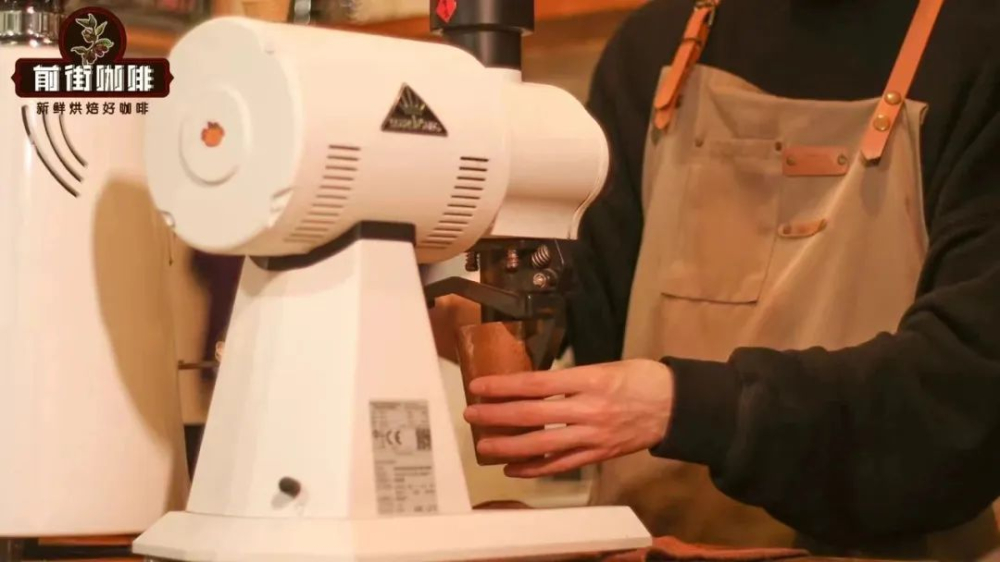
The first step is to select your favorite coffee beans and adjust your grinder to a suitable grind setting for pour over. This step is extremely crucial because the grind size directly affects how quickly water passes through, which in turn influences extraction results and the strength of the final cup. Generally speaking, if you’ve chosenlight to medium roasted beans, whose flavors are usually dominated by floral, fruity, honey-like, or tea-like notes, it is recommended to grind them to a coarseness similar tofine sugar. Tested using a Chinese No. 20 standard sieve,the filter rate is about 80%; if using an electric grinder such as the EK43s, the corresponding setting is10 clicks, while for a hand grinder like the C40, it would be20 clicks.
If the beans you have aremedium to dark roasted, commonly described as having flavors of nuts, caramel, dark chocolate, cocoa, or wine, it’s recommended to use amedium-coarse grind. In this case,the No. 20 standard sieve filter rate is around 75%, with the EK43s setting at10.5 clicksand the C40 hand grinder at24 clicks.
If you’re usingespresso blend beans, or if you notice obvious oil sheen on the bean surface right out of the package, it usually means the roast level is darker, with flavors leaning toward strong bitterness. For these beans, it’s recommended to grind thema bit coarserto avoid over-extraction. In this case,the No. 20 standard sieve filter rate is about 70%, the EK43s setting being11 clicks, and the C40 hand grinder at28 clicks.
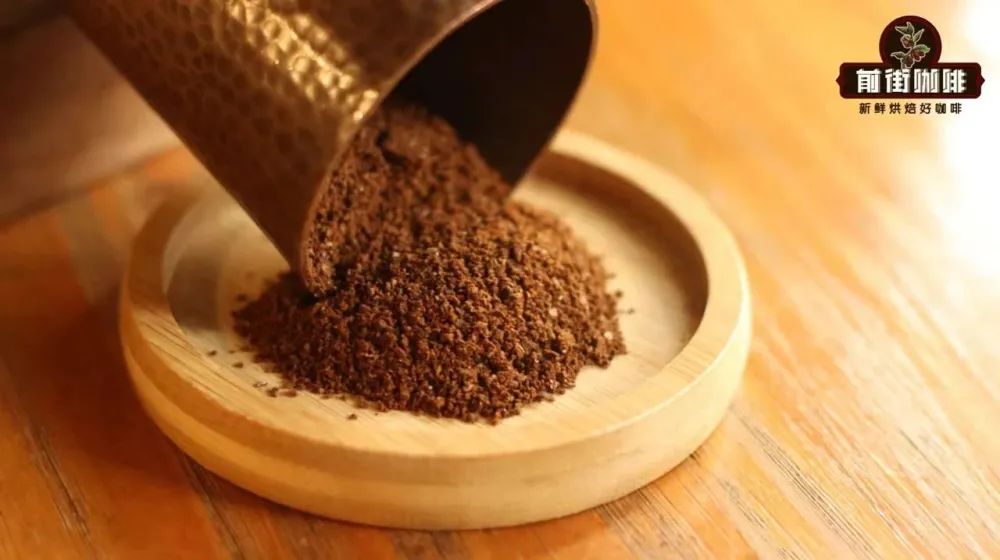
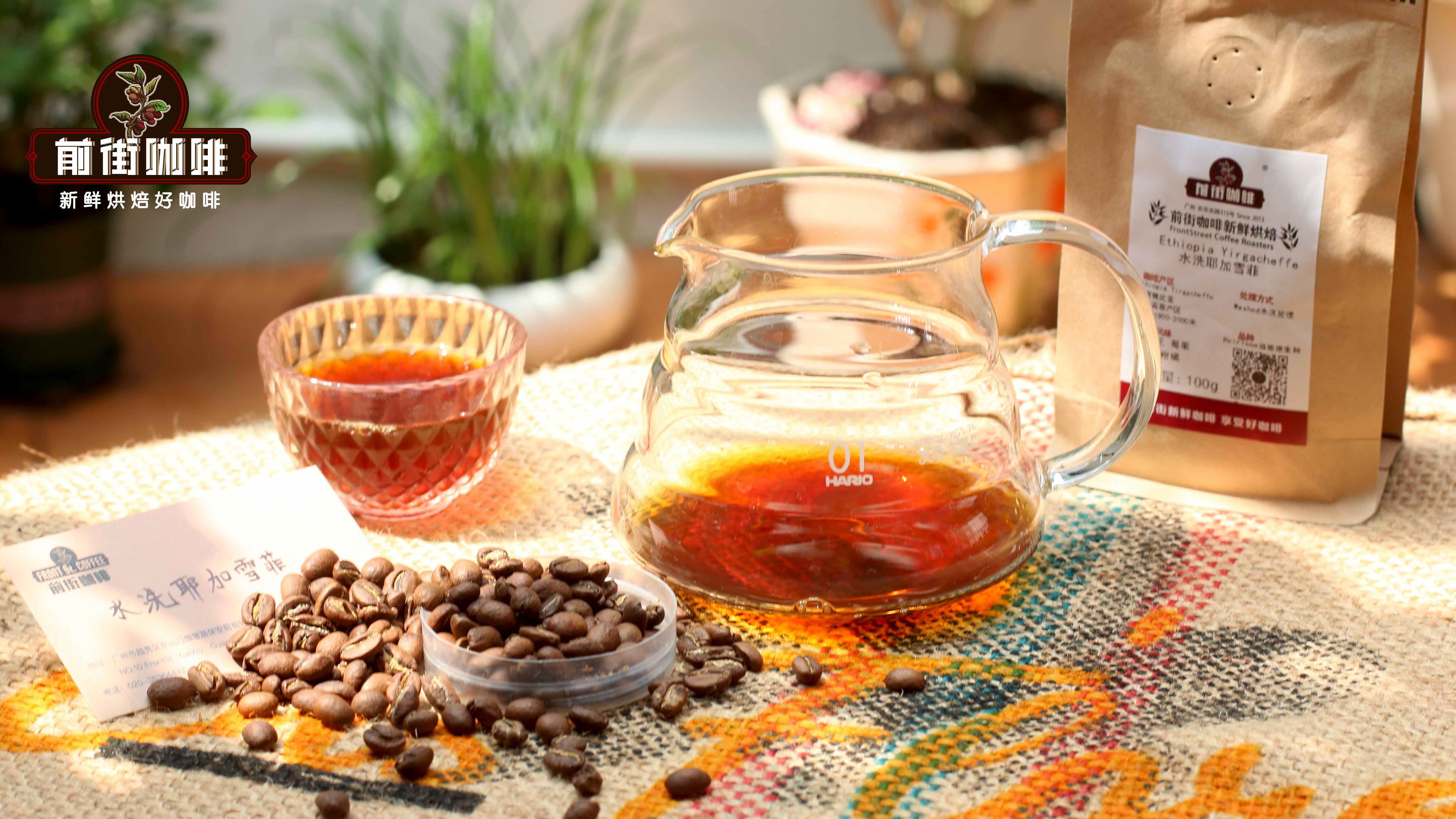
For example, the often-recommended Ethiopian · Yirgacheffe Red Cherry, which undergoes meticulous sun-drying processing, exhibits a rich array of berry-like sweet and sour notes. Brewed at different water temperatures, you can experience gentle berry acidity, the fermented aroma of ripe fruit, clear honey-like sweetness, and a tea-like fullness in the aftertaste, with an overall smooth mouthfeel. For everyday pour over, the grind used is akin to fine sugar granules, corresponding to 10 clicks on the EK43s,10 clicks—making it a great reference for making your own filter bags.
Moving on to the actual operation: first, place the ground coffee powder on the digital scale, prepare the filter bag, open the bag opening into a square shape, and using the standard10 gramsper pack, carefully scoop the coffee powder into the bag with a small spoon. Be mindful to distribute the powder evenly to avoid too much or too little, which could affect extraction.
Next, power on the sealer, and use the heater to clamp the sealing line of the filter bag, ensuring the opening is fully closed. Once done, your homemade filter bag is complete. Be especially careful not to set the sealing temperature too high, to prevent damage or holes in the non-woven fabric material.
To extend the shelf life and preserve the aroma of your homemade filter bags, it is recommended to place the sealed bags into an airtight container and store them in a cool, dark place. This helps reduce the evaporation and oxidation of aromatic compounds, ensuring a fresh flavor with every brew.
The above content is compiled by CoffeeHunters, a coffee news website.


