








Introduction:Static electricity generated during coffee bean grinding often causes fine particles to clump together, affecting extraction uniformity and final flavor. RDT (Ross Droplet Technique) reduces clumping by pre-wetting the beans with a light mist of water, making it particularly effective for pour over and espresso brewing. This article delves into the principles, practical effects, and precautions of RDT, while also offering practical alternatives to help you consistently improve extraction quality.
During the coffee grinding process, static electricity is an often-overlooked yet impactful issue. As beans are shredded by the high-speed rotation of burrs, friction between the beans and metal surfaces—coupled with uneven charge distribution—easily generates static. This static causes fine particles to cling together, forming clumps of varying sizes that disrupt the contact between water and coffee grounds, reducing overall extraction efficiency and even causing channeling during tamping.
This problem is especially pronounced when grinding dark roasts or using very fine grind settings. These clumped coffee particles not only hinder flavor expression but can also make your coffee taste dull or unbalanced.
To address this issue, many baristas use tools like distribution needles or pre-wetting methods, but there’s a simpler and more cost-effective technique—RDT (Ross Droplet Technique), also known as the "Ross Droplet Method." The core idea of this technique is to lightly spray a small amount of water evenly on the surface of the coffee beans before grinding, effectively reducing static buildup and clumping.
The name RDT originates from a well-known coffee discussion forum, Alt.Coffee, in 2005, where user David Ross shared the concept. Though it may sound like a professional technique, it’s actually very simple to execute: just slightly moisten the surface of the coffee beans with a spray bottle or the wet end of a spoon before grinding. This neutralizes the static charge on the bean surface, preventing fine particles from sticking together and resulting in more uniform and stable extraction.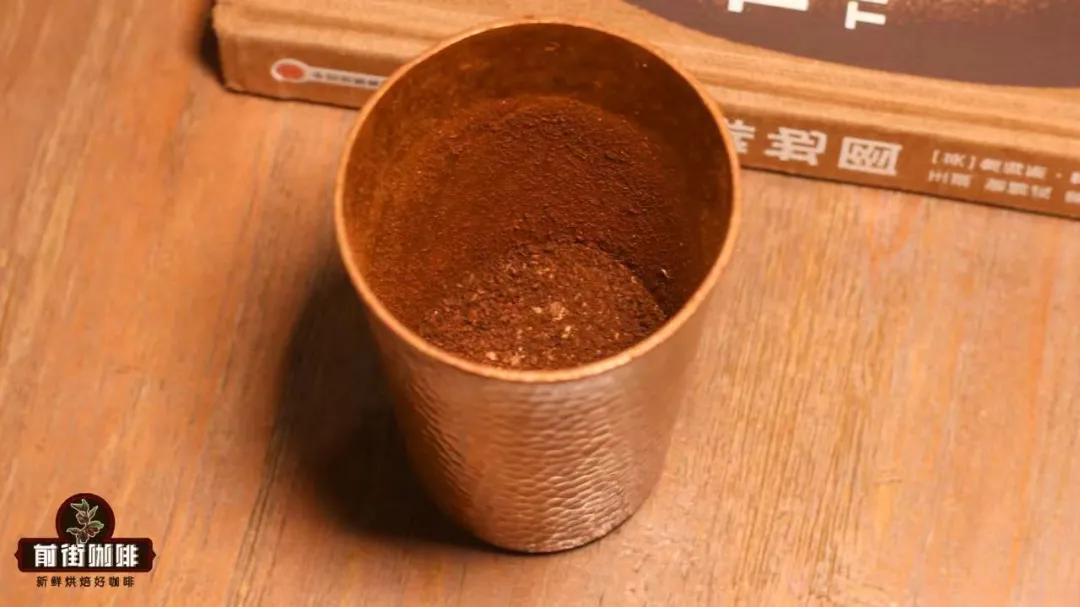
In fact, recent studies have supported the effectiveness of this technique. For example, research published in the journal *Matter* by the University of Oregon, USA, indicated that an appropriate amount of moisture can indeed improve the distribution and flowability of coffee grounds, further enhancing extraction consistency. Many coffee enthusiasts and professionals have also found through practical testing that lightly moistening beans before grinding significantly reduces clumping, leading to better pour over or espresso performance.
However, RDT is not a cure-all and has notable limitations and potential drawbacks. First, this technique is best suited for “single-dose” use—that is, grinding just one portion of coffee beans at a time. Once the bean surface gets wet, it begins a slow process of absorbing moisture, during which internal flavor compounds may gradually degrade, ultimately affecting the final aroma. Therefore, if you’re operating a high-volume café or need to pre-grind large quantities of coffee, RDT becomes less practical.
Secondly, water control is crucial. If too little water is applied, the anti-static and anti-clumping effects will be limited; but if too much water is sprayed, the bean surface may become overly damp, causing particles to stick together even more severely and form larger agglomerates—a result that could be worse than the static issue itself. Additionally, if a grinder’s burrs are constantly exposed to moisture without proper cleaning, it could accelerate oxidation or rusting of metal components, shortening equipment lifespan.
Therefore, for home users or small coffee workshops looking to try the RDT technique, it’s recommended to use a precise spray bottle to evenly mist the coffee bean surface, ensuring each bean gets slightly damp but not dripping. A simpler alternative is to follow the approach of coffee personality James Hoffmann: dip the handle of a metal spoon in water, gently stir the coffee beans for a few seconds to allow moisture to adhere evenly, then proceed with grinding. This method reduces static and clumping without the risk of over-wetting.
In summary, RDT is a simple yet effective auxiliary technique, especially suitable for pour over or espresso brewing where fine particle control is critical. However, it comes with clear limitations, including single-dose use, water control, and equipment maintenance. If you notice severe clumping of coffee grounds, consider adjusting grind size, switching grinders, or using distribution tools first—RDT can serve as an additional adjustment method to help achieve more stable extraction quality in specific scenarios.
The above content is compiled by CoffeeHunters, a coffee news website.


