







Introduction:Beijing police recently dismantled a counterfeit coffee operation hidden in a residential courtyard, where an illegal workshop was selling fake branded coffee beans, coffee powder, and syrups at extremely low prices online. The on-site conditions were filthy, with raw materials even stored next to a primitive toilet. This article details the incident and reminds consumers to be vigilant in identifying genuine products to avoid purchasing subpar goods lured by low prices.
The Beijing Xicheng District police recently cracked down on a case involving the sale of goods with counterfeit registered trademarks, seizing a coffee counterfeiting den concealed within a courtyard home. This illegal workshop sold fake well-known brand coffee beans, coffee powders, and various flavored syrups through online stores under the name "Huabei Cloud Warehouse." Their prices were far below those of official products, attracting many price-conscious consumers who ended up being scammed.
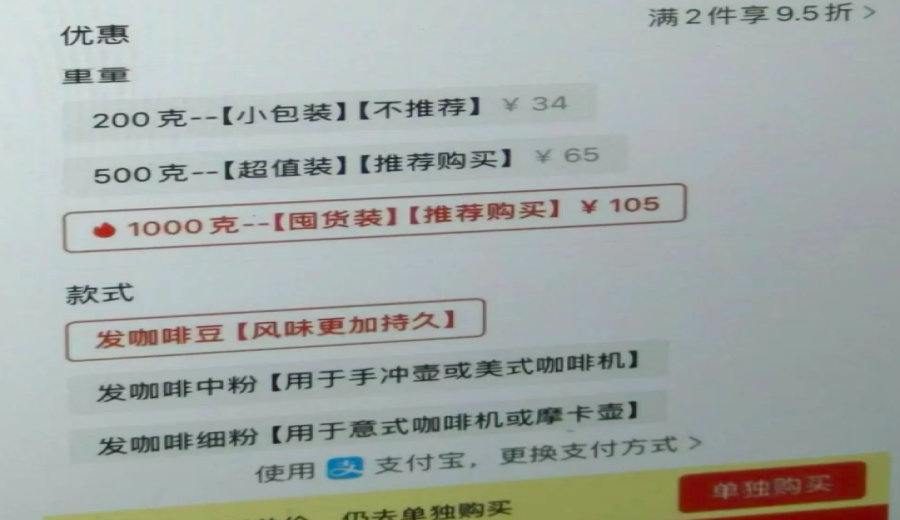
It is reported that the incident began when a consumer complained after purchasing a certain brand’s coffee and syrups from an online store, noticing unusual flavors and strange odors, suspecting them to be fake, and subsequently reporting to the police. Upon investigation, police found that the items sold on the online store claimed to be “direct from the manufacturer,” with packaging bearing the brand's logo, but their prices were vastly different from market rates. For example, 500g bags of coffee beans were sold for just 65 yuan, and 1000g bags for as low as 105 yuan—compared to the brand’s official website, where a 200g bag alone is priced at 70–80 yuan, showing a huge price gap, and the packaging specifications also varied noticeably.
After a period of surveillance and evidence collection, police finally located the production site of the fake coffee and syrups and launched a raid. Officially released footage showed that the place, which claimed to be a brand coffee bean warehouse, was actually a disorganized courtyard filled with cartons containing coffee beans, syrup raw materials, and packaged parcels ready for delivery. More shockingly, some goods were stored just a wall away from a crude primitive toilet, indicating extremely poor hygiene conditions.
According to suspects’ confessions, they purchased low-quality coffee beans, syrup ingredients, counterfeit brand labels, and packaging materials online, and used simple equipment to grind, portion, and fill the products themselves. In the footage, suspects were seen pouring poor-quality coffee beans directly into an unprotected grinder, then packaging the ground powder without any quality control procedures. Meanwhile, syrups were mixed and bottled in the open courtyard under questionable hygiene conditions.
To expand sales, the group also recruited relatives to handle tasks such as coding, labeling, filling, packaging, shipping, customer service, and online store support, forming a complete counterfeit supply chain. Aware that the products they sold were fake, suspects often opted to issue full refunds when consumers questioned product quality, choosing to settle the matter quietly to avoid further investigation.
After the exposure of this black workshop, internet users, upon seeing images of chaotically piled woven bags of coffee beans and allegedly moldy or spoiled syrups, expressed shock and disappointment. Some netizens bluntly commented, “Coffee lovers’ hearts are broken.” However, since the report did not explicitly identify the brand being counterfeited, nor clearly show the forged label information in the photos, some users began speculating based on packaging details and clues, suspecting that the imitated brand might be the widely known Starbucks.
Some consumers recalled having purchased syrup from an online store called “Xing Mou Huabei Cloud Warehouse,” and now suspect that the unused syrup at home might be among the counterfeit products from this incident, raising concerns about its impact on coffee flavor and hygiene safety. However, some observers noted that without solid evidence, speculating excessively on specific brands may lead to unnecessary misunderstandings and cause unwarranted harm to the legitimate brands.
Both industry professionals and consumers generally agree that when purchasing products like coffee beans and syrups, priority should be given to official stores or trusted regular sales channels, such as professional coffee brands with good market reputations, to avoid buying low-quality goods from unknown sources and poor production environments due to the temptation of a bargain—ultimately affecting brewing experience and health safety.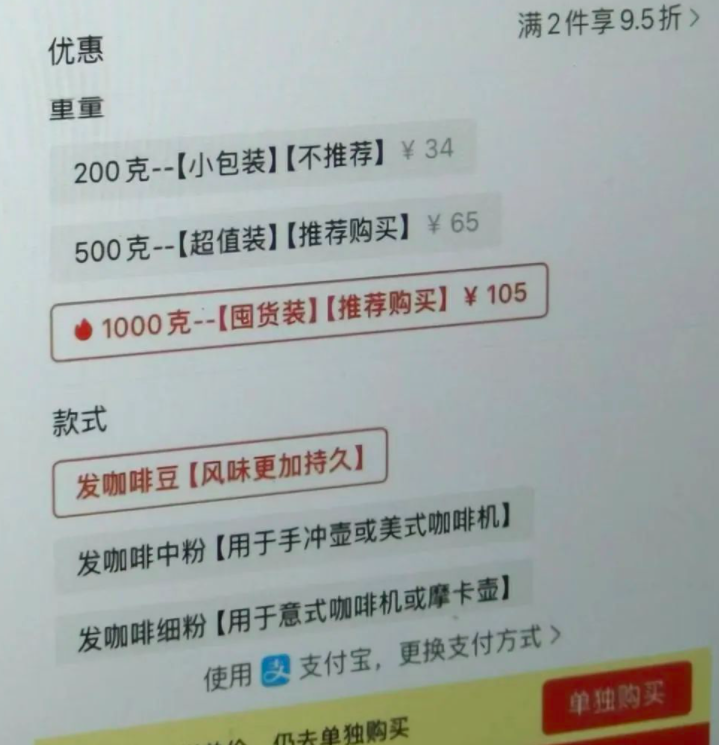
This case serves as another reminder to consumers that unusually low-priced products often carry risks. When selecting coffee-related goods, in addition to considering price, greater attention should be paid to the product’s origin and packaging details, ensuring that every cup of coffee is safe, delicious, and sourced from a trustworthy channel.
The above content is compiled by CoffeeHunters, a coffee news website.


