








Introduction:Vietnamese coffee culture is rich and diverse. Beyond the classic drip coffee, egg coffee stands out as an astonishing and distinctive beverage. A newer version that has gained popularity in recent years, known for its velvety texture and layered flavors, has been hailed as a "liquid tiramisu." This article will delve into the origins and evolution of Vietnamese egg coffee, providing a complete recipe including material selection, whipping techniques, coffee brewing parameters, and tasting insights—guiding you step-by-step to recreate this iconic exotic drink.
Vietnam’s streets offer many unforgettable coffee beverages. Among them, besides traditional drip coffee, there's also a uniquely creative coffee made with raw eggs. Recently, a new method has circulated on social media platforms, and due to its silky-smooth texture and distinctive flavor, it's been described by many who’ve tried it as a "liquid tiramisu." This comparison naturally raises curiosity—what kind of taste and aroma does this egg coffee possess to earn such high praise? This article will comprehensively introduce the history and innovative evolution of Vietnamese egg coffee, and based on current popular recipes, guide readers through making this specialty drink step by step—from ingredient prep, egg whipping, to coffee brewing—offering a detailed breakdown, and finally sharing real tasting experiences to help you deeply understand the charm of this “liquid tiramisu.”

Vietnam is not only a major coffee-producing country but also the birthplace of many innovative coffee drinks. Among the many distinctive Vietnamese coffees, drip coffee is widely known, while egg coffee is another classic beloved by travelers. This egg-based coffee has long become one of the must-try culinary experiences when visiting Vietnam. The newer methods of making egg coffee that have gone viral online have quickly sparked conversation due to their unique textures and visual appeal. Many first-time drinkers have said this coffee gives them the same delightful surprise as enjoying a slice of tiramisu, sparking curiosity about the secrets behind its preparation.
The creation of Vietnamese egg coffee is actually closely tied to the characteristics of local coffee beans. As the world’s second-largest coffee producer, Vietnam mainly grows the Robusta variety. Compared to Arabica, Robusta yields higher production, but its flavor is generally stronger. After dark roasting, its bitterness becomes more pronounced, which many find hard to accept. To counter this bitterness, Vietnamese people commonly add sugar and dairy products. But during wartime, dairy supplies were scarce, and even though sugar could somewhat soften the bitterness, it couldn't replace the smooth mouthfeel that dairy provided. Against this backdrop, someone began experimenting with adding eggs to coffee—and thus, egg coffee, a classic beverage, was accidentally created.
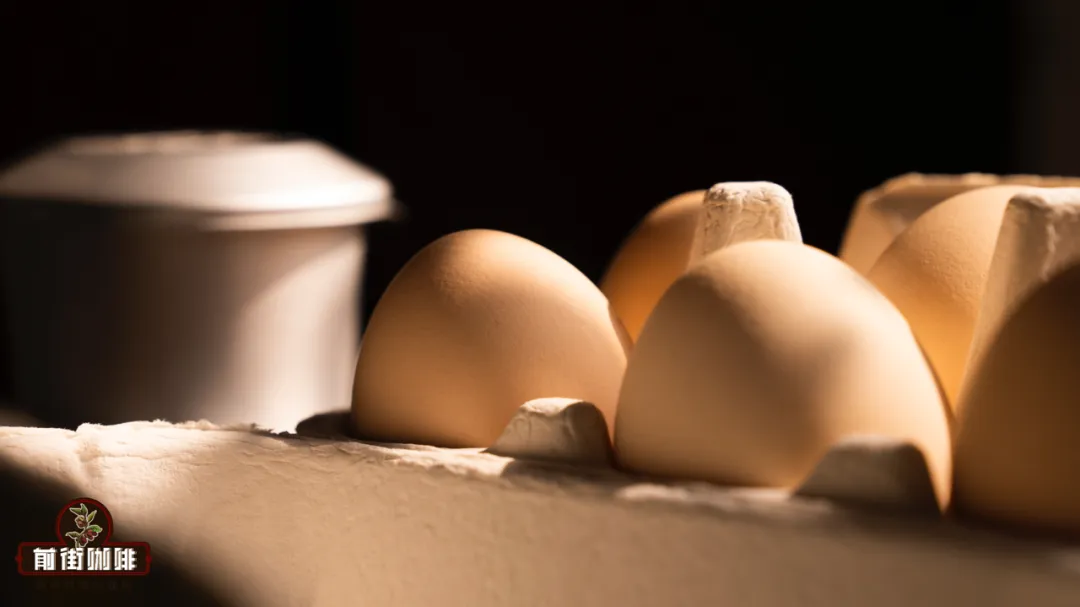
The prototype of egg coffee was developed by a bartender named Nguyen Van Giang. The original method used only egg yolks and sugar—the yolks were whipped to a creamy texture and then directly substituted for milk or sweetened condensed milk in the coffee. This creative approach not only successfully reduced the coffee’s bitterness but also delivered an unprecedentedly smooth mouthfeel. After the war, as dairy supplies gradually returned, Nguyen Van Giang further refined the recipe by adding ingredients like sweetened condensed milk and butter, which enhanced the aroma and made the texture even richer, eventually evolving into the version familiar to us today. Since then, this drink has rapidly spread across Vietnam, becoming one of the important symbols of its coffee culture.
To make this Vietnamese egg coffee, dubbed the “liquid tiramisu,” the required ingredients are not complicated, mainly including: sterile egg yolks, sweetened condensed milk, fresh cream, cocoa powder, espresso, and an appropriate amount of sugar. To ensure drinking safety, it’s especially recommended to use sterilized sterile eggs—especially when making it at home—to significantly reduce food safety risks. For the coffee part, you can choose your preferred brewing method: pour over, moka pot, AeroPress, or espresso machine. However, it's suggested to use medium-dark or dark roasted coffee beans to let the intense bitterness complement the sweet richness of the egg cream, achieving a balanced flavor. The mixing ratio of coffee to egg cream can be adjusted to personal taste. It’s advised to start with a 1:1 ratio for first-timers, then fine-tune to preference.
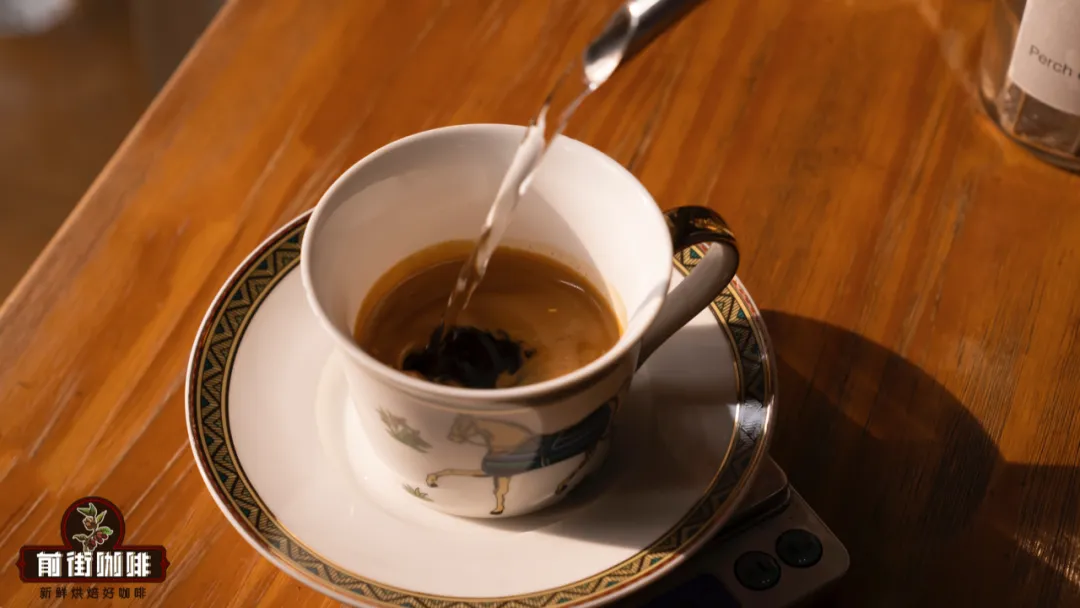
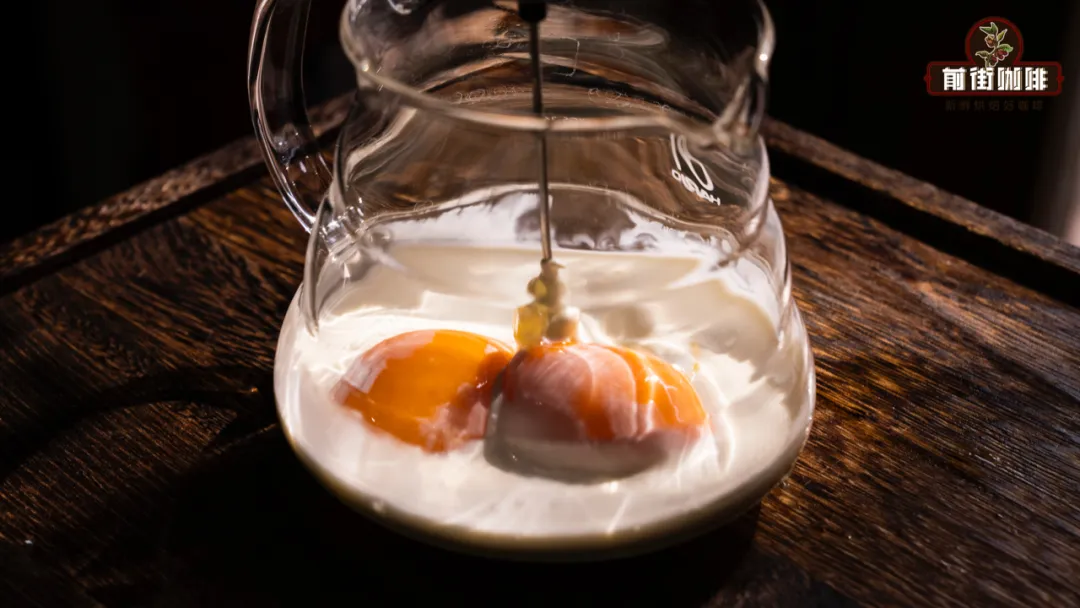
In practice, this demonstration uses espresso diluted with hot water to adjust strength. The coffee beans used are the Warm Sun blend. Brewing parameters are set to 20g of coffee grounds, extracting 40ml of espresso in 30 seconds, then adding an equal amount of hot water to dilute it to approximately 80–100ml of coffee liquid, achieving moderate strength and flavor expression. It’s important to note that since the egg cream whipping process takes time, it’s recommended to handle the egg mixture first, completing it before brewing the coffee, to avoid the egg mixture waiting too long and affecting its texture. The egg cream recipe used here is: 2 sterile egg yolks, 20ml sweetened condensed milk, 30ml fresh cream. Place all ingredients in a clean container and whisk with an electric mixer until thick and resistant.
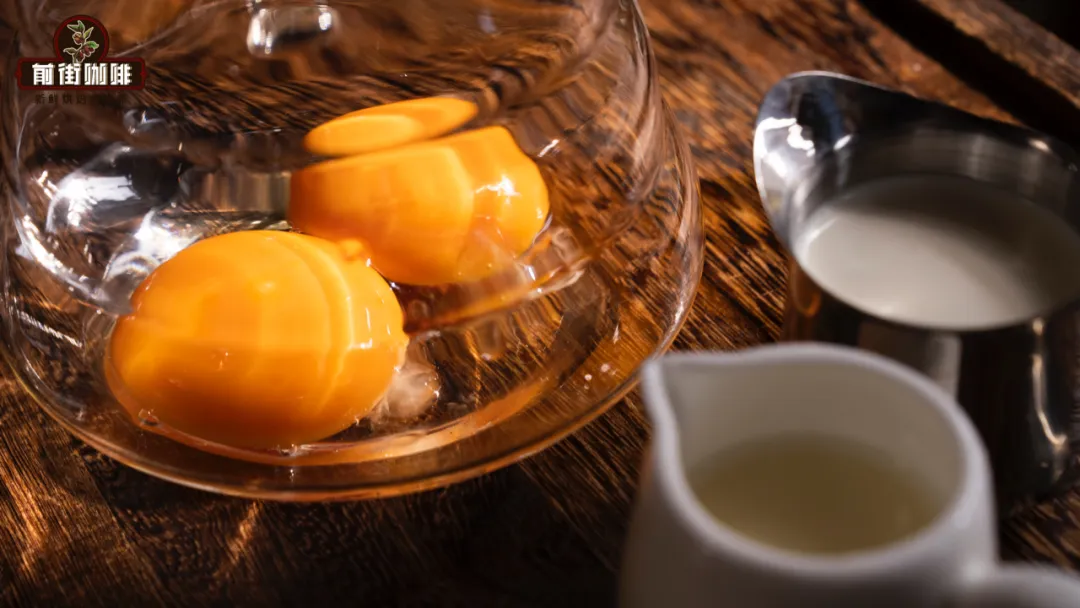
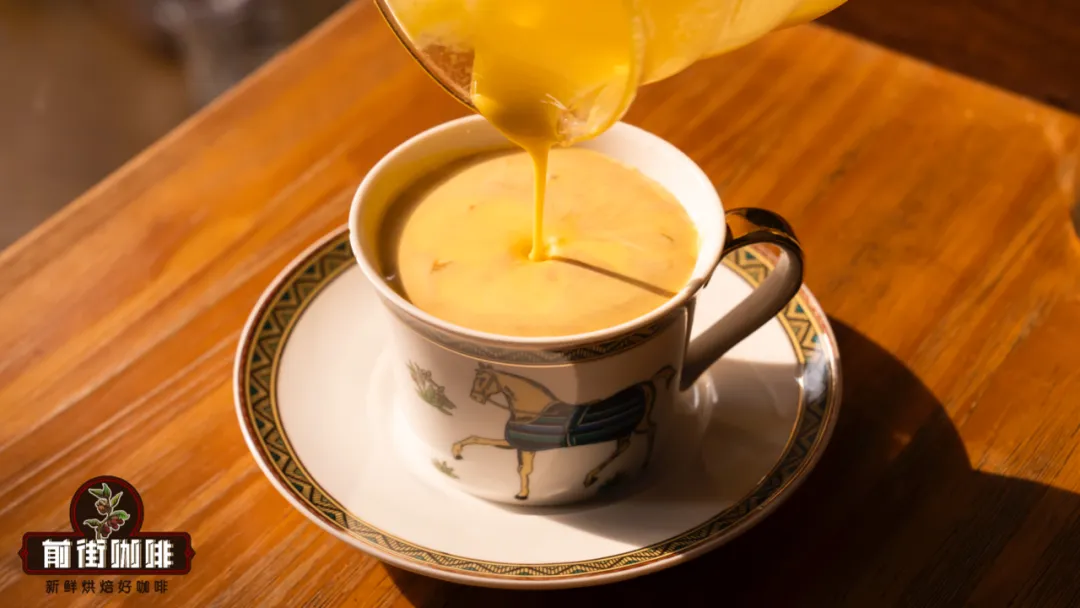
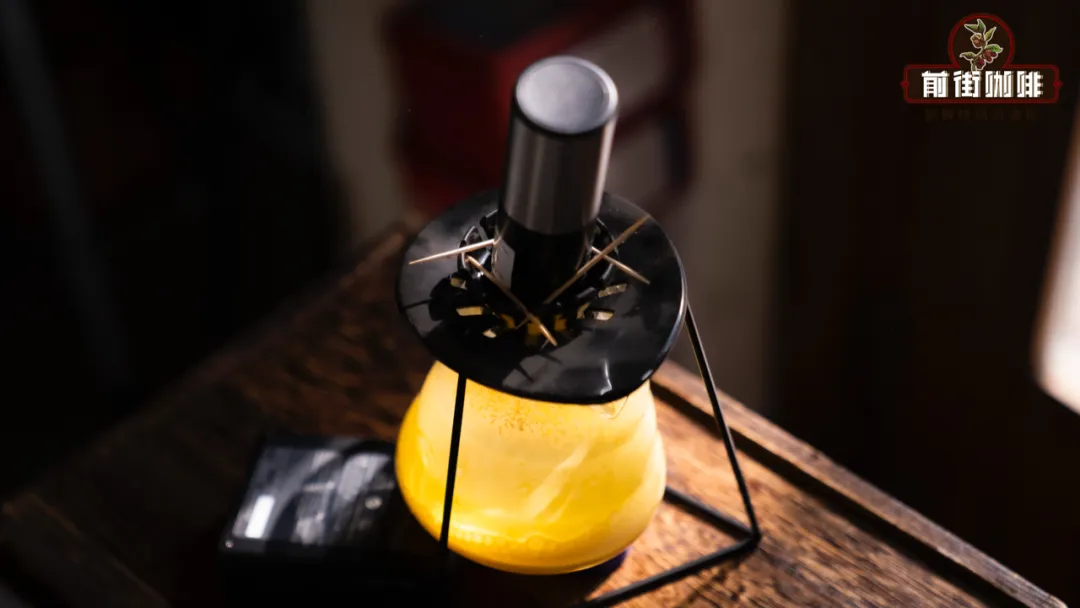
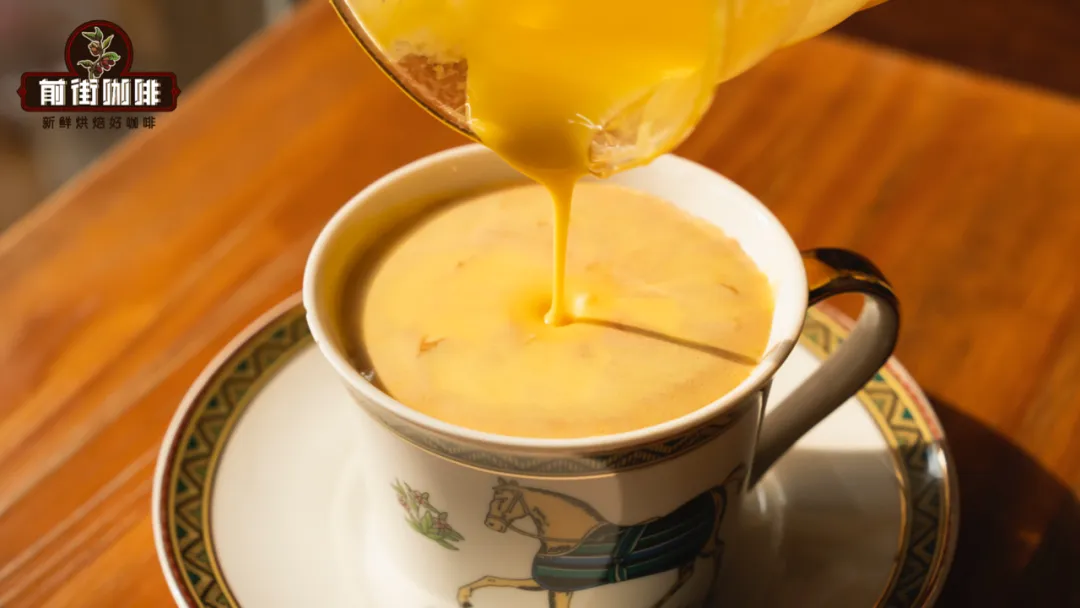
Though whipping egg mixture may seem simple, it actually requires patience and skill. Using a typical household electric mixer, it might take around ten minutes to whip the egg mixture to the desired texture. The finished egg mixture should be glossy with visible ridges, and when the whisk is lifted, the mixture should not immediately fall—it should indicate a thickness suitable for mixing with coffee. Once whipping is done, you can begin preparing the coffee liquid. Mix the previously brewed espresso with hot water in proportion. It’s recommended that the ratio of coffee liquid to egg cream be about 1.5:1—you can adjust strength to your liking. In this demonstration, approximately 120ml of coffee liquid and 80ml of egg cream were used. Pour the two into a cup in sequence; it’s advised to pour the coffee first, then gently layer the egg cream on top to achieve better layering.
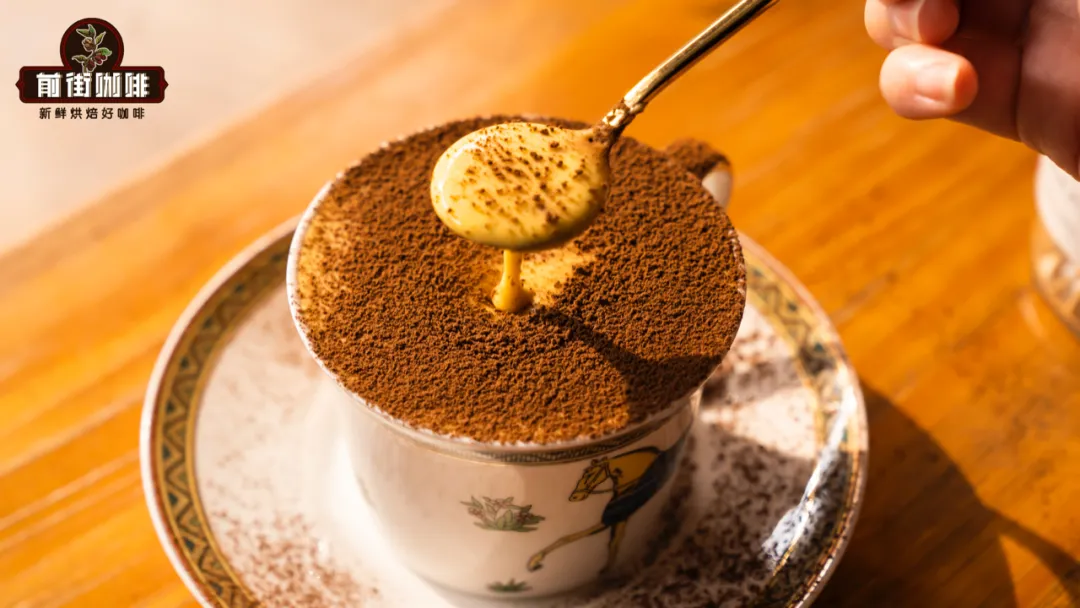
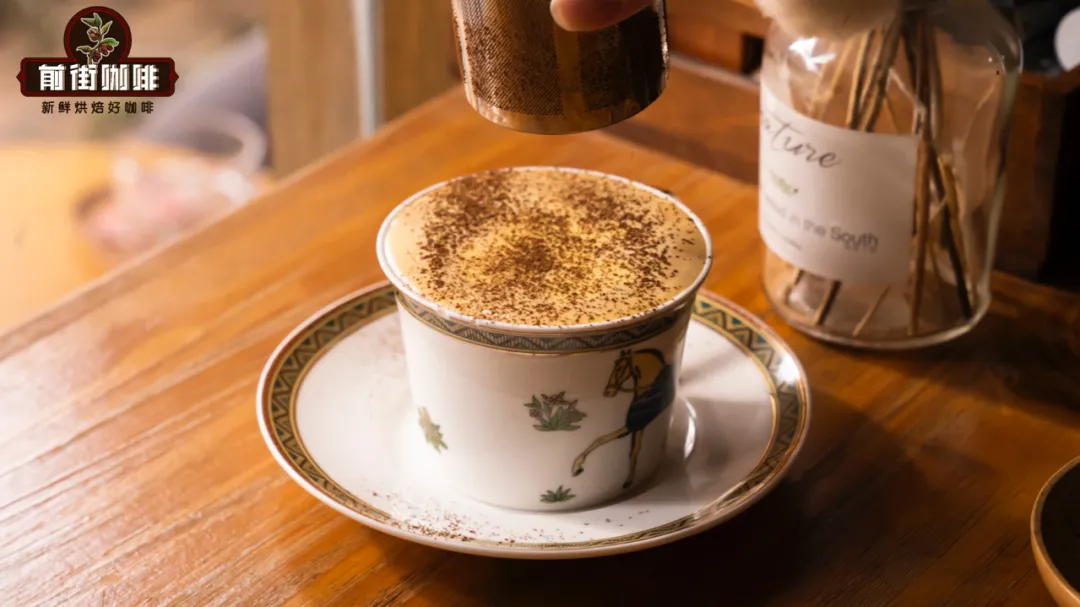
The final step—the crowning touch—is evenly sprinkling cocoa powder on the surface of the drink. Cocoa powder not only enhances the visual appeal of the beverage but its slight bitterness also complements the coffee and creaminess, elevating the overall flavor complexity. The finished Vietnamese egg coffee resembles tiramisu, boasting a rich coffee aroma and silky egg cream texture that melts in your mouth without any eggy taste. The combination of ingredients is perfectly balanced—the sweetness of condensed milk, the richness of fresh cream, the slight bitterness of cocoa powder, and the boldness of coffee together create a rich and surprising taste experience.
When actually tasting this “liquid tiramisu,” you’ll clearly notice how different it is from regular coffee. The egg cream has a delicate, silky texture that melts quickly upon entry, offering a smooth, silky sensation completely free of the common eggy smell found in traditional egg dishes. The bitterness of the coffee balances beautifully with the sweetness of condensed milk and fresh cream, while the cocoa powder’s slight bitterness adds depth to the overall flavor. This drink not only satisfies multiple visual and taste pleasures but is also a form of coffee art that blends tradition with innovation. Whether as a morning pick-me-up or an afternoon dessert alternative, it offers an unforgettable taste experience.
In summary, Vietnamese egg coffee is not just a specialty drink but also embodies the innovative spirit of Vietnamese coffee culture. From its improvised invention during wartime to becoming an internationally renowned specialty coffee today, this beverage showcases the Vietnamese passion and ingenuity for coffee. Through this detailed introduction and hands-on tutorial, readers will not only understand its historical background and evolution but can also follow the steps to easily recreate this “liquid tiramisu” at home. Whether you’re looking to challenge yourself, enrich your coffee experience, or simply try something new and exciting, this Vietnamese egg coffee is well worth a try. Just remember to prepare all ingredients and follow the instructions carefully—you too can enjoy this exotic specialty coffee at home.
The above content is compiled by CoffeeHunters, a coffee news website.


