








Introduction:Turkish coffee is renowned for its unique preparation method, not only preserving the coffee grounds but also showcasing an intense flavor through ultra-fine grinding and brewing in a copper cezve. This article delves into the science behind its unfiltered process, the grind size difference compared to espresso, the characteristics of the coffee sediment, as well as the cultural tradition of coffee fortune-telling, offering you a comprehensive understanding of this UNESCO-recognized coffee culture.
In today’s diverse world of coffee brewing methods, Turkish coffee remains committed to drinking the coffee along with its grounds. This is not due to technological backwardness, but rather stems from its unique sand-pot brewing technique, an exceptionally fine grind, and deeply rooted cultural traditions. Through deeper exploration, we will uncover the true reasons why Turkish coffee is unfiltered, and examine the science and culture behind its rich taste.
Even in an era where filtration technology is highly advanced, Turkish coffee still chooses to retain the coffee grounds. This "grounds-included" drinking style not only creates a visually surprising effect, but also becomes one of its most distinctive features. Many people, upon first encounter, are curious about this seemingly “incompletely filtered” coffee, yet it is precisely the essence of Turkish coffee.
The reason Turkish coffee is unfiltered is closely tied to its special preparation method. Rather than using common brewing or drip methods, it achieves extraction through "boiling." This technique involves placing water and extremely finely ground coffee powder together in a traditional copper pot called a "Cezve," then slowly heating it over a low flame until it reaches a near-boil. The entire process can involve either a single or multiple boils, and the final poured coffee is not only rich but also fully retains the original flavor and fine particles of the coffee grounds.

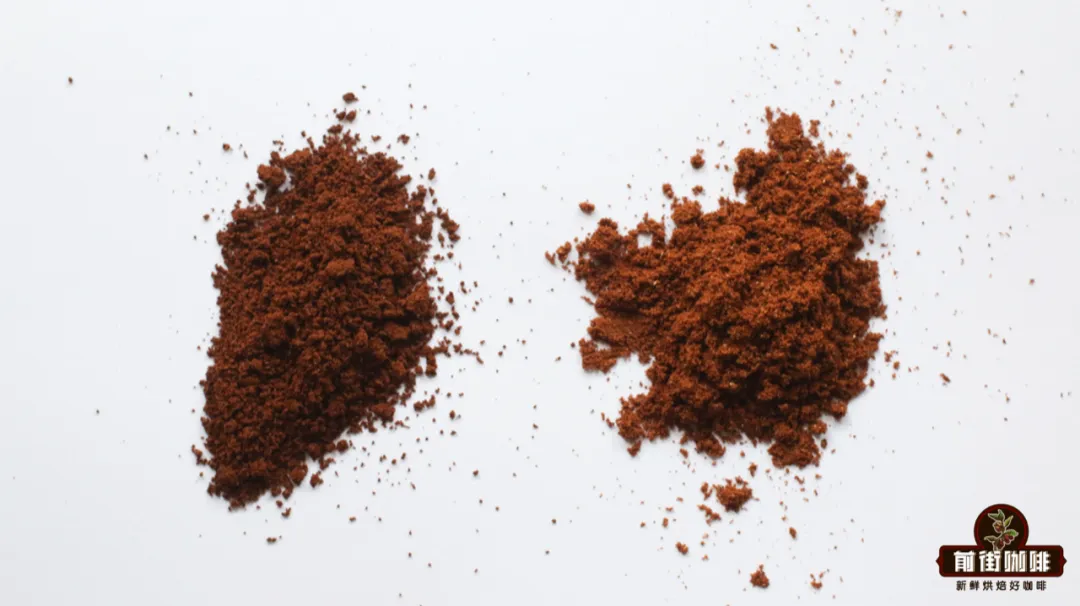
Notably, the grind size of Turkish coffee is extremely fine, even finer than that of typical espresso. Generally, espresso grounds still have a slight coarseness that can be felt, but Turkish coffee grounds are almost powdery, smooth to the touch like flour. Their particle diameter ranges between 100 to 150 microns, falling within the category of ultra-fine grinds. This is also a key reason why it can release intense flavors in a short period of time.
Due to the extremely fine grind, the coffee powder quickly absorbs water and releases aromatic compounds, thereby achieving a high concentration of extraction within a brief brewing time. When the coffee is poured from the cezve, most of the fine particles gradually settle at the bottom of the cup. Even if a small portion enters the liquid, they will quickly sink due to their higher density. Therefore, as long as you pay slight attention to the pouring angle while drinking, you won’t ingest too many coffee grounds, and the impact on taste is minimal.

Some readers may wonder, since modern filtering tools are readily available, why does Turkish coffee still insist on retaining the coffee grounds? Behind this lies a profound cultural significance. Due to the long-standing tradition of not filtering out the grounds, Turkish coffee has given rise to a highly mystical custom — coffee ground divination. After drinking the coffee, the grounds at the bottom of the cup form unique patterns. People place a plate upside down over the cup, let the residue dry, and then interpret the naturally formed designs to tell fortunes or gain insights into life events.
This custom not only adds enjoyment to the act of drinking Turkish coffee, but also makes the retention of coffee grounds an indispensable part of the ritual. Many people, during divination, also place rings or coins next to the cup, symbolizing the warding off of misfortune and the invitation of good luck. Therefore, in Turkish culture, coffee grounds are not merely residues, but also a medium that connects the past with the future.

In summary, the tradition of retaining coffee grounds in Turkish coffee is shaped by its unique brewing technique, ultra-fine grinding process, and cultural customs. It not only delivers a rich and bold taste, but also carries profound cultural meaning. If you’re looking to experience a different coffee world, why not start with a cup of authentic Turkish coffee, and immerse yourself in its unique aroma and cultural charm.
The above content is compiled by CoffeeHunters, a coffee news website.


