








Introduction:Understanding how coffee flavors change at different temperatures is key to deepening your appreciation of coffee. This article will guide you through the key tasting points across three temperature stages—high (70–50°C), medium (50–40°C), and low (40–20°C)—and explain how the cupping process helps reveal a coffee’s true quality. Whether you’re a beginner or an advanced enthusiast, you’ll learn how to systematically perceive the layers and details of coffee.
As a cup of coffee cools from freshly brewed to room temperature, its flavors and aromas subtly shift. Many people are used to drinking coffee hot, but in fact, understanding how it performs at different temperatures allows you to experience the full potential of a cup. This article will break down the three stages of coffee tasting—high, medium, and low temperature—in detail, including each stage’s appropriate temperature range, tasting focus, and how the standard cupping process can help you perceive the coffee’s nuances more objectively.
To fully appreciate a cup of coffee, you shouldn’t draw conclusions after just one sip. Truly professional tasting usually involves experiencing the coffee from high to low temperature, because different temperatures reveal different aspects of the brew—high temperatures highlight roasted and acidic notes, medium temperatures bring out sweetness and fruity tones, while lower temperatures may unveil more delicate aftertastes and spicy nuances.
High-Temperature Stage: 70–50°C, Perceiving Clear Flavor Profiles

The temperature of freshly brewed coffee usually hovers around 70°C, which marks the starting point for tasting. This stage is known as the high-temperature stage, spanning roughly 70°C down to 50°C. At this point, the coffee’s aromas are most vibrant, and acidity tends to be bright and clear, though some finer sweet and body notes may not yet be fully revealed.
It’s recommended to focus on your sense of smell and initial taste impressions at this stage: Can you detect pronounced floral, fruity, or caramel aromas, or perhaps nutty notes? Is the acidity lively upon entry, and does it leave a clear first impression? This temperature range helps establish your first layer of understanding about the coffee.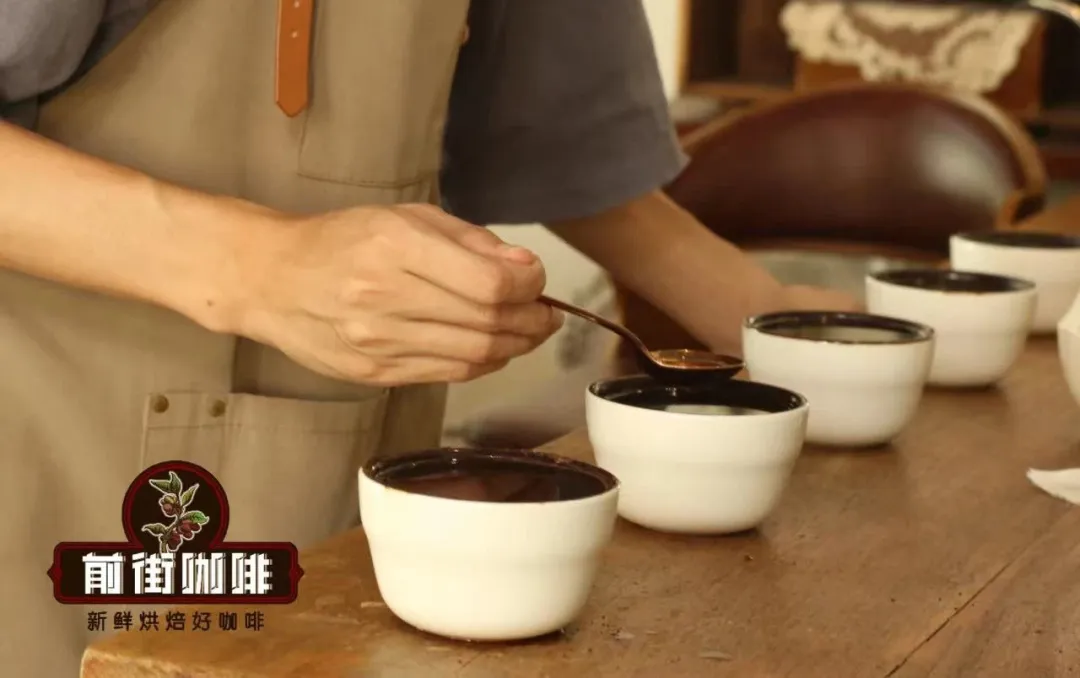
Medium-Temperature Stage: 50–40°C, Sweetness and Balance Emerge
When the coffee cools to between 50°C and 40°C, it enters the so-called medium-temperature stage. During this phase, many details masked by the higher heat—such as sweetness, fruit complexity, and body—gradually come to the forefront. This is also the temperature range that many tasters consider best for evaluating a coffee’s “balance.”
Here, you can pay special attention to whether the sweetness feels natural, how well it complements the acidity, and whether the overall mouthfeel is smooth. If the coffee features a special processing method or regional characteristics, they often become more noticeable at this stage.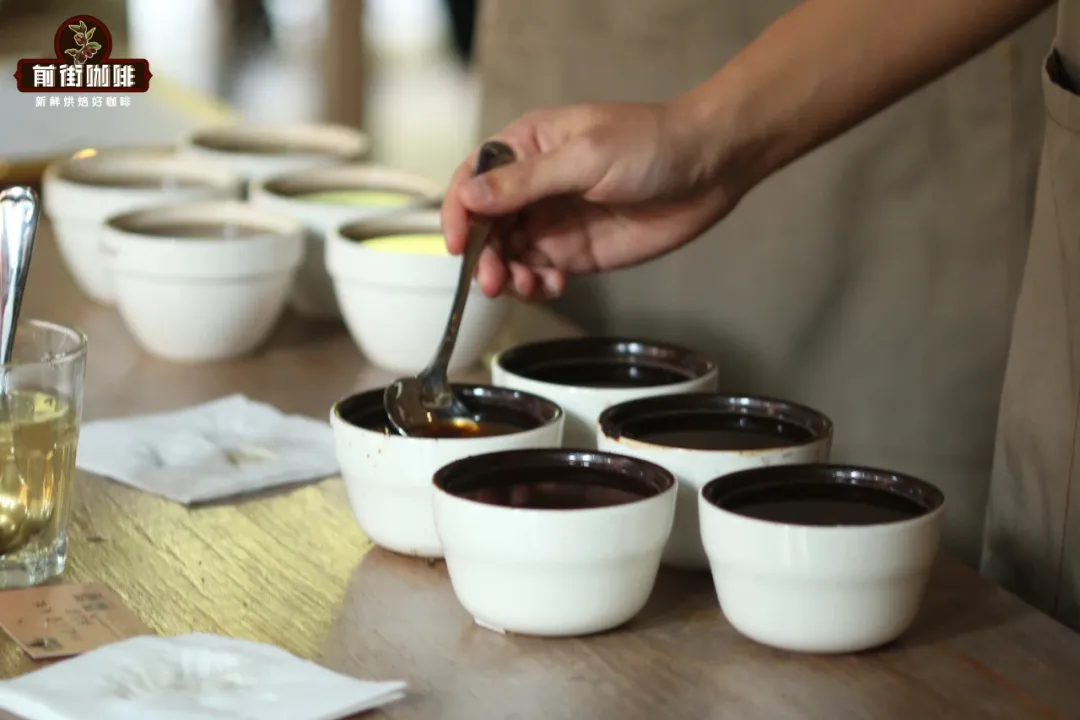
Low-Temperature Stage: 40–20°C, Aftertaste and Detail Testing
When the coffee cools below 40°C, or even approaches room temperature, we enter the low-temperature tasting stage. Here, flavors are less exuberant, but more subtle aftertastes, spicy sensations, chocolatey notes, and even some less obvious flaws (like over-fermentation or off-tastes) become easier to discern.
Some coffees actually exhibit unique flavor personalities at low temperatures—for example, certain African beans might show tea-like or floral aftertastes. Though this stage isn’t ideal for the first sip, it’s a crucial indicator for assessing a coffee’s richness of detail and the cleanliness of its aftertaste.
Cupping Process Basics: Standardized Brewing for Objective Tasting
The three-stage tasting approach described above originates from the professional cupping procedure. Cupping is a standardized coffee evaluation method designed to assess a coffee’s potential and quality in the most objective way possible. Its brewing method is simple yet rigorous: using hot water at a 1:18 to 1:20 coffee-to-water ratio, the grounds are steeped for about 4 minutes without stirring or additional pressure, minimizing human variables.
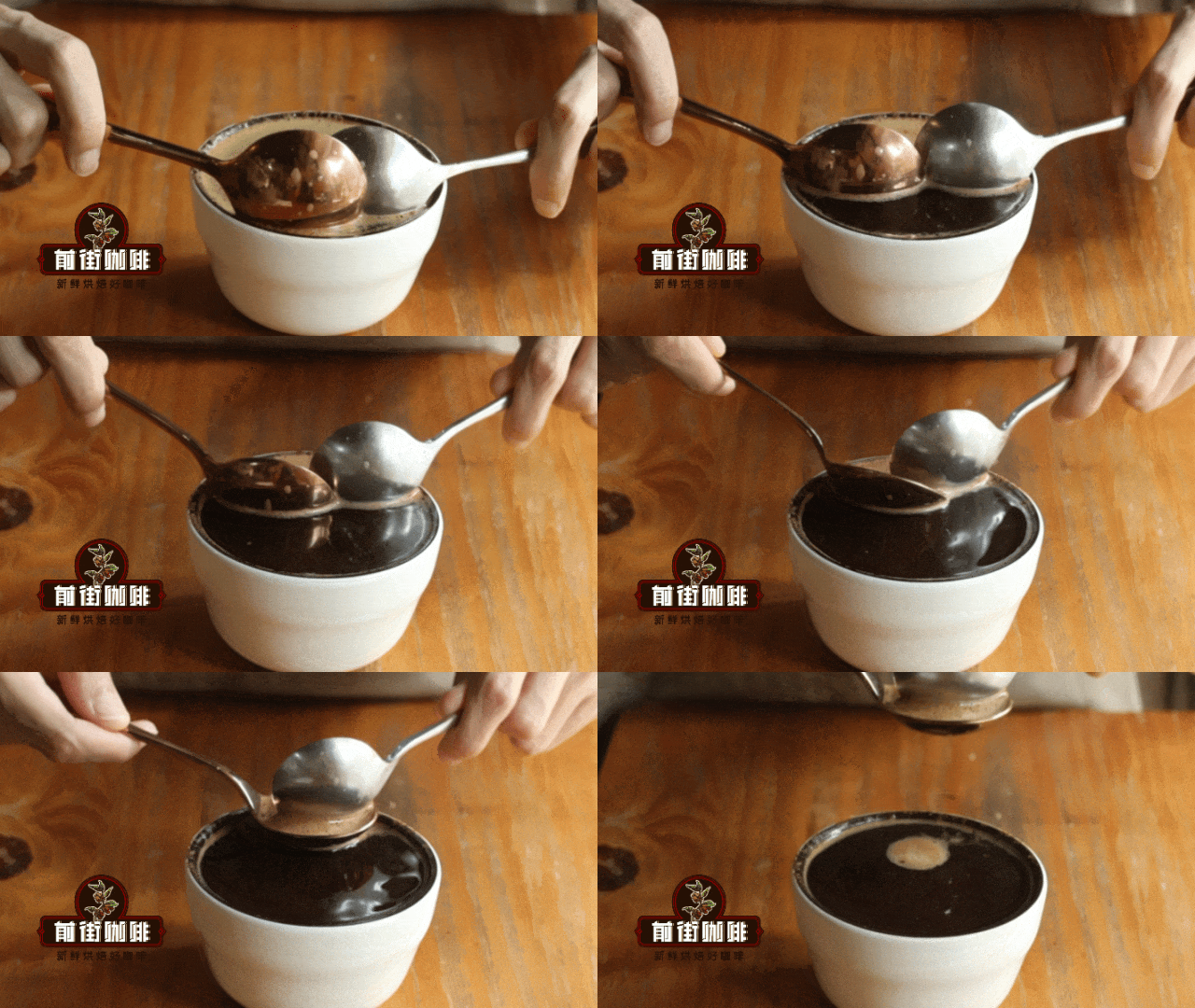
After four minutes, the taster breaks the crust of floating coffee grounds with a cupping spoon, gently skims off the surface residue, and then begins tasting from high to low temperature, noting flavor changes at each stage.
This method is widely used because it eliminates the influence of brewing technique on flavor, allowing coffees from different origins and with different processing methods to be fairly compared under the same conditions. It also helps uncover deeper potentials and unique characteristics of the coffee.
The above content is compiled by CoffeeHunters, a coffee news website.


