







Introduction:What should you do with leftover coffee beans at home — refrigerate or freeze them? What’s the difference between shelf life and best-before date? This article delves into the key factors of coffee bean storage, from light protection, temperature control, moisture prevention to oxygen resistance, guiding you step-by-step through practical methods to extend aroma, and explaining in detail the correct procedures for freezing and refrigerating, so that every brew delivers the optimal flavor.
Many coffee enthusiasts often face a common dilemma: the bags of coffee beans bought home are never fully consumed. Especially during promotional periods or after receiving gifts from friends, the stockpile of beans keeps growing, yet they’re unsure how to store them properly. Some simply toss the beans into the fridge, while others hesitate between refrigerating or freezing, worried that improper handling might ruin the original flavor. So, how should we correctly store coffee beans to prolong their best drinking window?
In truth, what we care about most isn’t whether the coffee beans have “gone bad,” but whether their aroma and flavor remain rich. Although food packaging indicates a “shelf life,” for true coffee aficionados, the more critical aspect is how to preserve that intoxicating layer of aroma — what we often call the “best-before period” — within the first few dozen days after roasting.
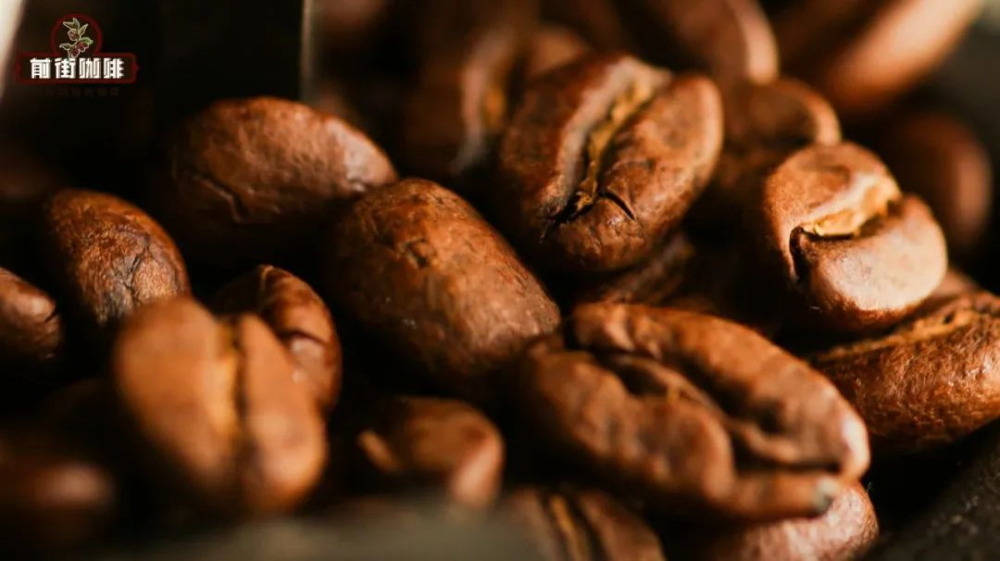
Freshly roasted coffee beans are not only rich in various aromatic compounds but also contain a large amount of carbon dioxide. These gases not only affect the brewing flow rate and extraction performance but are also a key indicator of whether the beans are at their peak flavor. For example, during a pour over, fresh beans will visibly bubble during the bloom phase, with stable water flow and easier control over extraction time; when making an espresso, they can form a golden, translucent crema with smooth flow and bold aroma. However, these characteristics typically fade gradually within about 40 to 50 days after roasting, so effectively shielding the beans from external interference before that becomes key to extending their best-before period.
So, what factors are most likely to damage coffee flavor? The answer is: strong light, high temperature, moisture, oxygen, and surrounding odors. These five “enemies” accelerate the loss of coffee aroma and can even cause the beans to absorb miscellaneous flavors from the environment, resulting in a significantly diminished taste in the brewed coffee.
Before opening the coffee bean package, we should store it in a cool, dry, and dark place, away from stoves, windows, or any areas with high heat or direct sunlight. Once opened, the situation becomes more complex because the beans are then directly exposed to air, where moisture and oxygen accelerate oxidation. If there are other foods nearby, the beans may also absorb foreign odors. Additionally, frequently opening the package leads to faster aroma dissipation, so it's recommended to reduce the number of times you open the bag and opt for a container with an airtight seal for storage.
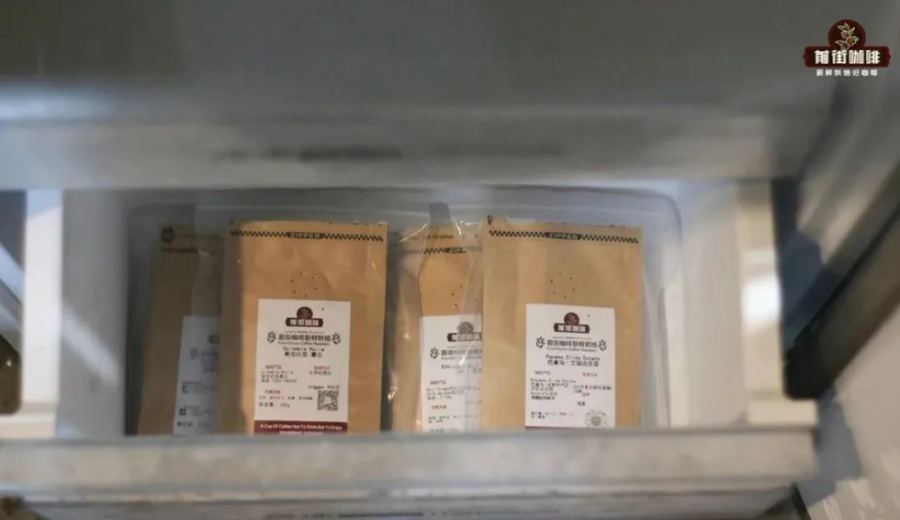
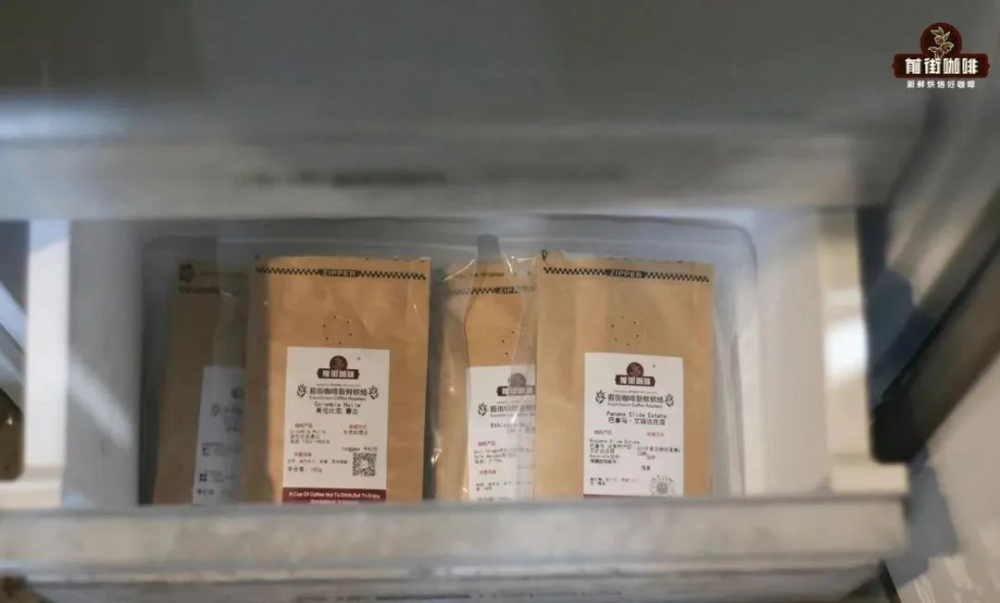
So, does storing coffee beans in the fridge effectively extend their best-before period? According to research by Swiss scientist SAMO SMRKE, freezing conditions can reduce the internal degassing rate of coffee beans to 1/12.5 of the normal rate, which means it significantly slows down the loss of aroma. In theory, this does help “postpone” the end of the best-before period. Therefore, if you purchase a large quantity of roasted beans at once and wish to still enjoy flavorful coffee three or four months later, freezing is a relatively safe option.
But be aware, low temperature isn’t a cure-all. Even in sub-zero environments, coffee beans will still slowly lose aroma, and if not handled properly — for example, if the seal isn’t tight — the beans may become damp, lose gas, or even absorb odors from other foods in the fridge, making the coffee unpleasant to drink. Therefore, if you decide to freeze your beans, be sure to implement proper sealing measures beforehand.
Here are some practical tips for refrigeration or freezing: First, place the coffee beans in a completely sealed bag, preferably vacuum-sealed, to avoid residual air, then put it in the freezer. Second, when you need to use the beans, never open the frozen bag immediately; allow it to thaw gradually back to room temperature to prevent condensation from causing the beans to get damp. Lastly, it’s recommended to pre-portion the beans according to each use, storing each portion separately in airtight packages. This not only reduces the number of freeze-thaw cycles but also ensures that each time you use the beans, they’re in the best possible condition.
Additionally, once coffee beans have been thawed, it’s not advised to refreeze them, as repeated temperature changes accelerate flavor degradation. If you’ve bought an overly large quantity of beans, consider planning the portions from the start, sealing and storing them in small airtight packages in the cold, so you only need to take out the amount you need each time — convenient and quality-preserving.
In summary, there’s no absolutely perfect way to store coffee beans, but as long as you adhere to the five principles — light protection, temperature control, moisture prevention, oxygen resistance, and odor isolation — and adjust your storage strategy based on your own consumption pace, you can effectively prolong the best-before period of your coffee, ensuring each pour over showcases the full depth and flavor it’s meant to have. Don’t let momentary buying impulses lead to overstocking; buy in moderation and store properly to truly enjoy the beauty of coffee.
The above content is compiled by CoffeeHunters, a coffee news website.


