







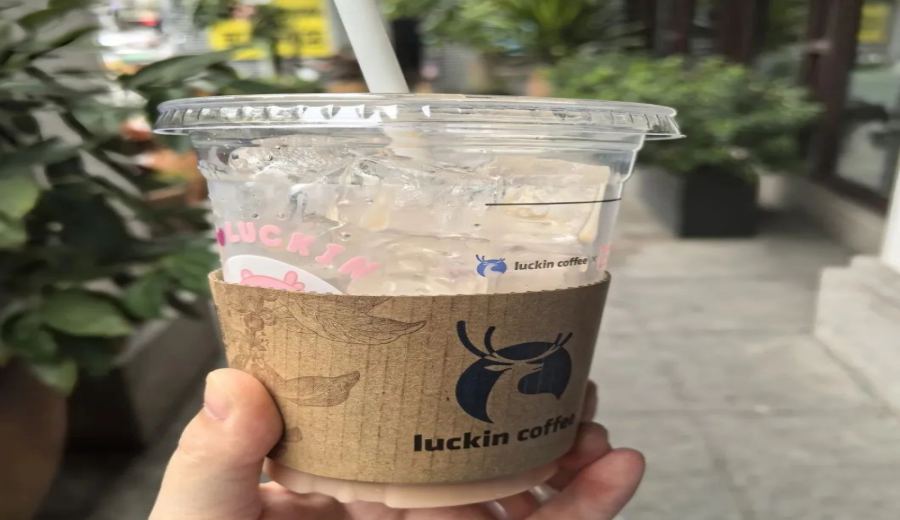
Introduction:Luckin Coffee recently launched several new cold beverages, including Grape Iced Cold Brew Americano, Light Coffee Lemon Tea, and more. The ordering page clearly states that these drinks do not support requests for no ice or less ice. However, many customers still habitually leave notes asking for reduced ice, putting baristas in a dilemma: following the rules leads to negative reviews, while making unauthorized adjustments risks complaints. This article delves into the reasons behind this ice quantity controversy and offers practical advice on ordering and preparing these drinks.
In recent years, Luckin Coffee has continuously introduced innovative cold drinks, such as Grape Iced Cold Brew Americano, Light Coffee Lemon Tea, Watermelon Cold Brew, and Plum Soda Americano. These new products, listed on both the official website and the mini-program ordering pages, specify only two temperature options: "Iced" and "Hot." A small note also clarifies, "To ensure flavor and taste, no-ice/reduced-ice requests are not supported. Thank you for your understanding." This means that, according to official standards, these drinks do not accept any customer requests for less or no ice.
However, many consumers have yet to notice these details and continue their past ordering habits by leaving notes in the comments section asking for "less ice," "no ice," or even specifying the exact number of ice cubes they want removed. When they pick up their drinks, they often find them still filled with ice, with the liquid level noticeably lower, leading to dissatisfaction and negative reviews.
In response, frontline staff express considerable frustration. It is understood that Luckin strictly regulates several types of cold drinks—including cold brew series, iced shaken series, light coffee series, sparkling series, and Rin tea—prohibiting any unauthorized adjustments to ice quantity or recipe, even when faced with specific customer requests. If caught on camera scooping out ice or adding extra ingredients, employees may face internal point deductions or warnings at best, and fines at worst.
Yet in reality, many customers still routinely request "no ice." When baristas follow the rules and serve a drink full of ice, it often leads to complaints and even direct negative feedback. Some staff, when confronted with unhappy customers, choose to explain company policy and suggest canceling the order or picking a different drink; others, to avoid negative reviews, secretly scoop out some ice and top up the drink to maintain the liquid level, though this also carries risks.
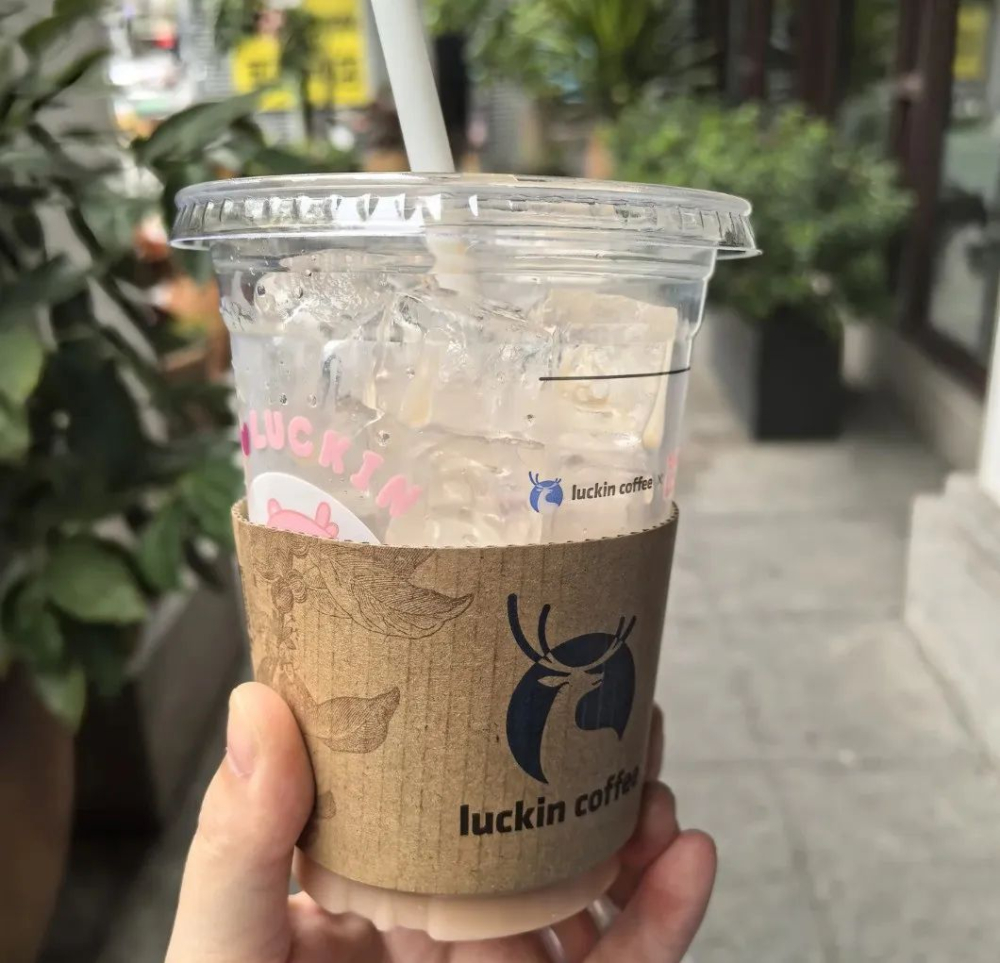
An insider revealed that such "non-standard operations," while temporarily appeasing some customers, can easily lead to conflicts between stores. If a customer successfully gets a "no ice" or "less ice" adjustment at one location, they may continue to order the same way next time. But if they visit a different store where staff follow the rules, the customer may lodge a complaint or even threaten a low rating when their expectations aren’t met, putting unnecessary pressure on the serving staff.
From a professional perspective, ice quantity significantly affects the overall taste of a drink. Take cold brew coffee, for example: ice not only cools the beverage but also gradually melts over time, further diluting the concentration and impacting flavor expression. As a result, many specialty coffee shops carefully calculate the ice-to-liquid ratio when designing iced drinks to ensure optimal flavor release and taste balance. However, chain brands like Luckin, which need to balance efficiency and consistent quality, adopt more uniform preparation standards, making it difficult to accommodate every customer’s individual preferences.
Industry insiders suggest that when ordering cold drinks, consumers should first pay attention to the drink descriptions. If they see a note saying "no-ice/reduced-ice requests are not supported," it’s advisable to adjust expectations or opt for other hot drinks where ice quantity can be adjusted. If ice level is a major concern, they might also prioritize drink categories that allow adjustments or simply communicate with staff in-store to understand the actual flexibility.
Overall, this "ice quantity dispute" highlights the tension between standardized operations and personalized customer demands in chain coffee brands. For baristas, balancing adherence to company policies with managing customer dissatisfaction becomes a daily service challenge. For consumers, understanding drink characteristics and preparation limitations can also lead to a smoother and more pleasant ordering experience.
The above content is compiled by CoffeeHunters, a coffee news website.


