







Introduction:Have you ever heard that drinking coffee from different colored cups can affect how sweet or acidic it tastes? This actually ties into an intriguing psychological phenomenon known as the "color-flavor synesthesia effect." In this article, we conduct practical tests to analyze why cup color doesn’t change the essential flavors of coffee but can still influence your taste perception. We also explore the practical value and common misconceptions around professional coffee tasting cups to help you enjoy each cup more scientifically.
A coffee enthusiast once shared an interesting discovery with us: he read online that simply switching the color of a coffee cup could alter how a particular coffee’s flavors are perceived. For example, sipping from a cup of a certain hue made the coffee seem sweeter, while another color accentuated the acidity. Intrigued, he decided to test this claim himself, so we helped him carry out a simple yet enlightening experiment.
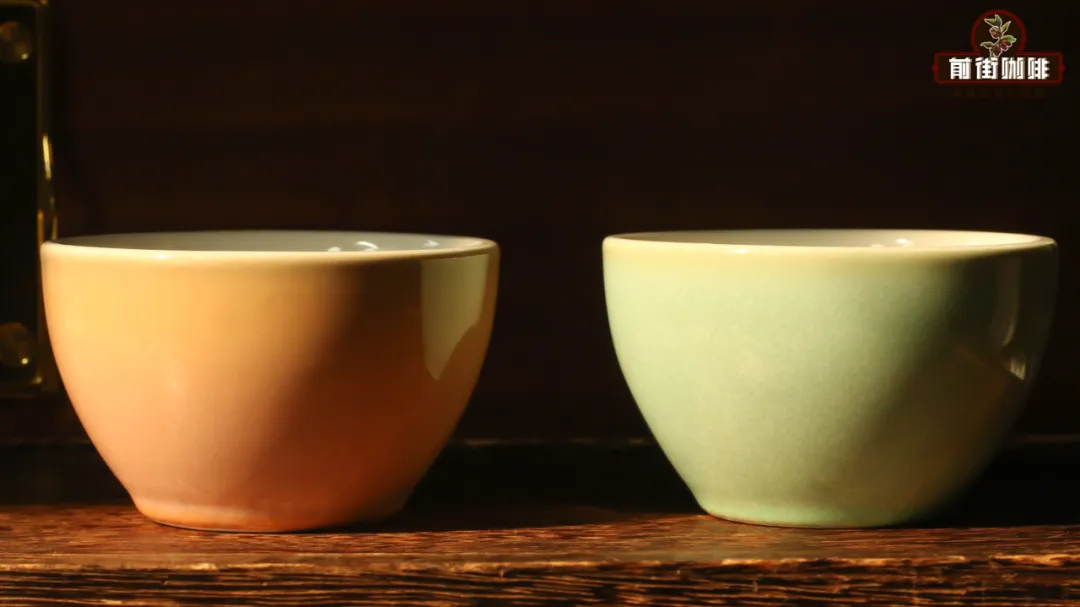
The process was straightforward: the same coffee was poured into two cups of distinctly different colors, and he tasted them blindly, describing any flavor differences. The results were surprising and confirmed our expectations—he didn’t notice any significant change in flavor. This outcome isn’t surprising from a scientific standpoint since the color of a cup has no ability to alter the chemical composition of the coffee, and therefore can’t directly impact its actual taste.
However, the story doesn’t end there. While cup color can’t directly change how coffee tastes, it can subconsciously affect our perception and judgment of its flavor. This is a phenomenon known in psychology as the "color-flavor synesthesia effect," where visual stimuli subtly interfere with or guide our taste experience. For instance, a dark-colored cup might evoke associations with richness and bitterness, thereby intensifying those sensations, whereas a light or transparent cup may make the coffee seem more refreshing or sweet.
Although this psychological influence is subtle, it can lead to real differences in how we perceive the coffee during everyday drinking. As a result, choosing an appropriate cup color isn’t just about aesthetics—it can indirectly affect your overall evaluation and enjoyment of a cup of coffee.

Speaking of professional tasting, many coffee enthusiasts may have heard of the term "coffee tasting cup." These cups usually have specific design parameters such as consistent capacity, rim angle, body height, and rim-to-body ratio, which are said to provide the most neutral drinking environment and help tasters capture the nuanced flavors of coffee more accurately. But here’s the question: for everyday consumers, is investing in such professional-grade cups really worth it?
In fact, the original intention behind designing coffee tasting cups is to ensure that all participants or judges in international coffee competitions or professional cuppings evaluate under the same conditions, minimizing the interference of vessel variables on flavor judgment. These cups typically meet standards set by the SCA (Specialty Coffee Association), such as a capacity of around 200–250ml, slightly flared rims to help concentrate aromas, and body shapes that aid in balancing the presentation of acidity, sweetness, and bitterness.
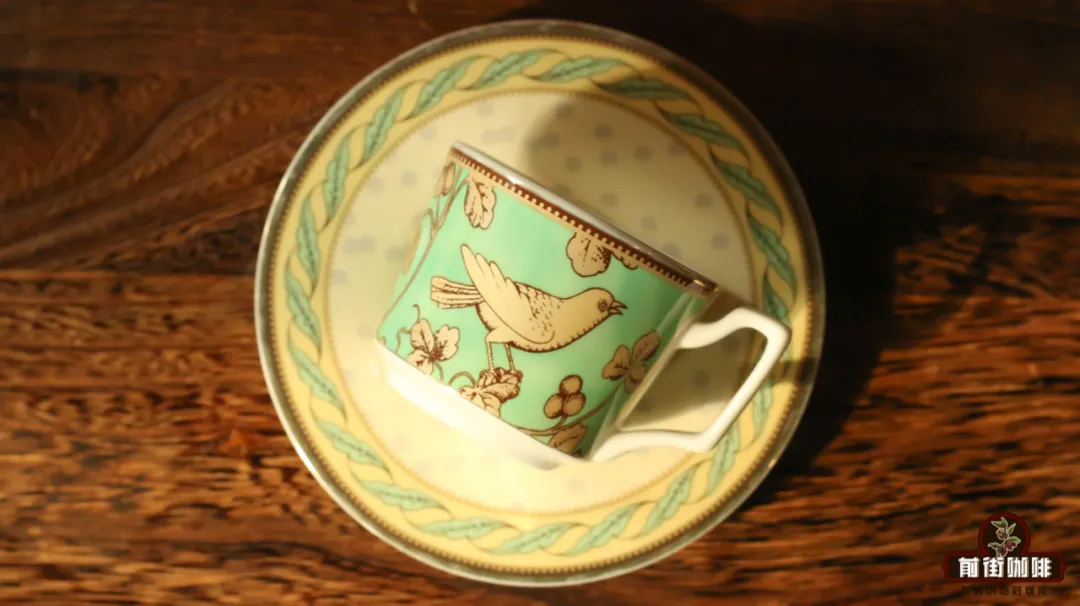
For daily brewing and drinking, while there’s no need to purchase professional tasting cups, choosing a well-designed cup can indeed enhance the overall drinking experience. For example, a rim designed to fit the shape of your lips can help the coffee flow more smoothly upon sipping; an appropriate capacity and cup height can help concentrate aromas, making it easier to discern the coffee’s delicate scent layers. Additionally, the material of the cup (such as ceramic, glass, or plastic) affects insulation and mouthfeel—practical details worth considering when making a choice.

Overall, while cup color doesn’t magically change the essence of the coffee, through psychological synesthesia effects, it can indeed influence how we perceive its flavors. Once you understand the principles behind this, you might start paying more attention to the subtle differences brought by various cup colors during your next coffee session, or even try using cups of different hues in varying settings to find the combination that best complements your favorite coffee profile.
As for coffee tasting cups, if you’re an advanced enthusiast who frequently conducts home cuppings or has very high demands for flavor detail, investing in a set of professional-standard tasting cups does hold value. But for most lovers of coffee, selecting a daily-use cup that is thoughtfully designed, comfortable to use, and enhances the aroma of your coffee is more than enough to boost your drinking pleasure—there’s no need to obsess over the so-called "professional holy grail" at the expense of simply enjoying the coffee itself.
In summary, from psychology to practical purchasing, choosing a coffee cup is far more nuanced than one might think. Whether you’re seeking scientific explanations or simply aiming to make your daily coffee time more enjoyable, understanding the subtle relationship between cups and flavors can help you know coffee better—and enjoy it even more.
The above content is compiled by CoffeeHunters, a coffee news website.


