








Introduction:Are the coffee beans you just bought home suddenly bulging in their packaging, making you worry if they’ve gone bad? In fact, this is often a normal part of post-roasting degassing, but if there’s an off smell, it’s time to be cautious. This article dives deep into the science behind coffee bean degassing, the function of one-way valves, and why dark roast beans are more likely to cause packaging to puff up. Learn how to quickly assess whether your beans are still fresh enough to brew by checking their smell and the state of the packaging — and avoid accidentally drinking stale coffee.
When you open a bag of coffee beans and find it puffed up like a balloon, have you ever wondered if it’s gone bad? Many coffee lovers have encountered this situation and immediately worry that the beans may have been sitting around too long and spoiled. In truth, puffed-up coffee bags aren’t necessarily a sign of spoilage — they’re usually the result of carbon dioxide being naturally released after roasting. However, if you also detect a musty or sour odor, then it’s really time to be on alert. Below, we’ll explain in detail the scientific principles behind coffee bean degassing, how one-way exhaust valves work, and why dark roasted coffee beans are more prone to causing packaging to bloat. This will help you accurately determine whether your beans are still good for brewing.

When people see packaged food swelling, they often instinctively think of gases produced by microbial activity — and indeed, this is a common cause of food spoilage. Coffee beans can also spoil due to improper storage conditions, often caused by mold or bacteria growth, typically accompanied by a strong, pungent musty or sour smell. But if your coffee beans themselves don’t have any unusual odors, then the swollen packaging is most likely just the normal “degassing” process after roasting, not a quality issue.
During the roasting process, coffee beans undergo Maillard reactions and caramelization, chemical changes that break down organic compounds inside the beans and recombine them. This process releases a large amount of carbon dioxide and other volatile gases, and these gases continue to be emitted from inside the beans even after roasting has ended. Especially within the first 72 hours after roasting, the rate of degassing peaks, which is the main reason why coffee bags puff up.
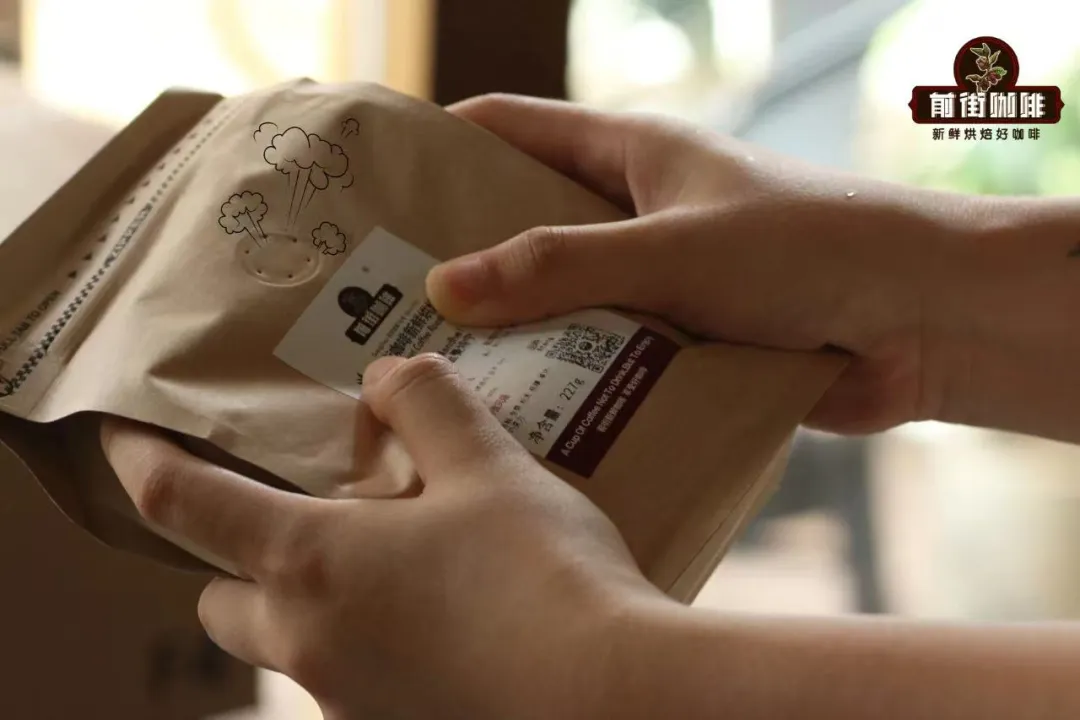
To prevent packaging from bursting due to gas buildup during transport, most coffee packages are designed with one-way exhaust valves. These valves allow internal gases to escape outward while blocking outside oxygen from entering. They prevent carbon dioxide from rupturing the packaging and reduce the oxidation of coffee beans due to oxygen exposure. As a result, coffee bags equipped with one-way valves usually don’t easily swell — for example, many commonly available coffee beans on the market often maintain a flat appearance. But why do some packages still obviously bulge? The key lies in the fact that certain coffee beans release gases at such a rapid rate in a short period of time that it exceeds the valve’s exhaust capacity, leading to gas accumulation and packaging expansion. This is particularly common with dark roast beans.
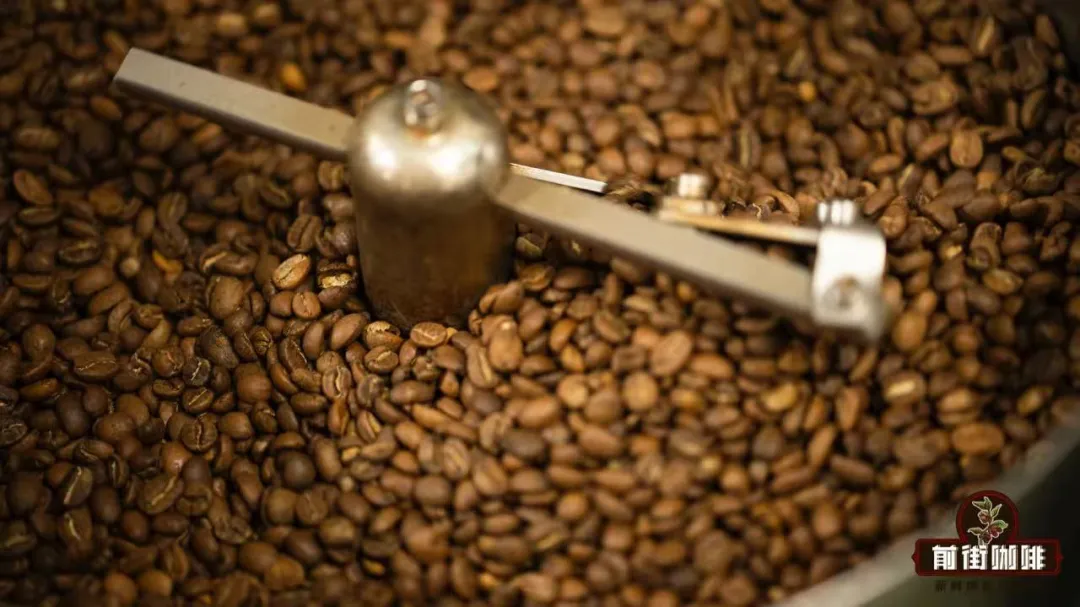
The amount of carbon dioxide generated inside coffee beans is closely related to the degree of roasting. The darker the roast, the more intense the Maillard reaction and caramelization, resulting in naturally more carbon dioxide. In addition, dark roasting also causes more significant expansion and rupture of the coffee bean cell structure, allowing internal gases to escape more easily. The combination of these two factors means that dark roast beans release a large amount of gas in a short time after roasting, making them more prone to bag swelling. (The left image shows sealed dark roast beans, the right image shows sealed light roast beans — the difference is clearly visible.)
Overall, a puffed-up coffee bean package is mostly a normal phenomenon and doesn’t necessarily mean the beans are spoiled or stale (though this possibility can’t be completely ruled out, it’s relatively low). When coffee beans are dark roasted or the packaging lacks a one-way exhaust valve, bag swelling is more common. To determine if your coffee beans are still safe to drink, it’s recommended to first check if the packaging has any obvious off smells, then observe the degree of bag swelling and whether the exhaust valve is functioning normally — this way, you can avoid drinking lower-quality coffee.
The above content is compiled by CoffeeHunters, a coffee news website.


