







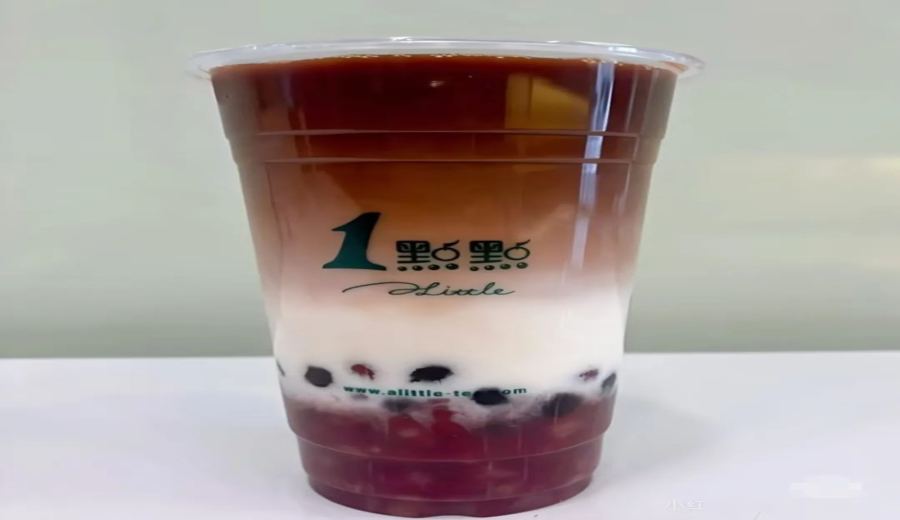
Introduction:Recently, 1 Point launched a new drink called "Flowing Sand Pu’er," claiming to combine Yunnan-aged Pu’er milk tea with hand-crushed red bean paste to create a unique flowing sand texture. However, many consumers found that what they actually received was a cup of distinctly separated red beans at the bottom—far from the advertised experience. This article delves into consumer feedback, barista procedures, and offers tips on identification and purchasing to help you avoid similar disappointments.
1 Point recently introduced a new beverage named "Flowing Sand Pu’er," featuring a base of Yunnan-aged Pu’er milk tea paired with hand-crushed red bean paste. The brand claims this drink delivers a creamy, flowing sand texture vastly different from regular red bean milk tea, attracting many red bean enthusiasts to give it a try.
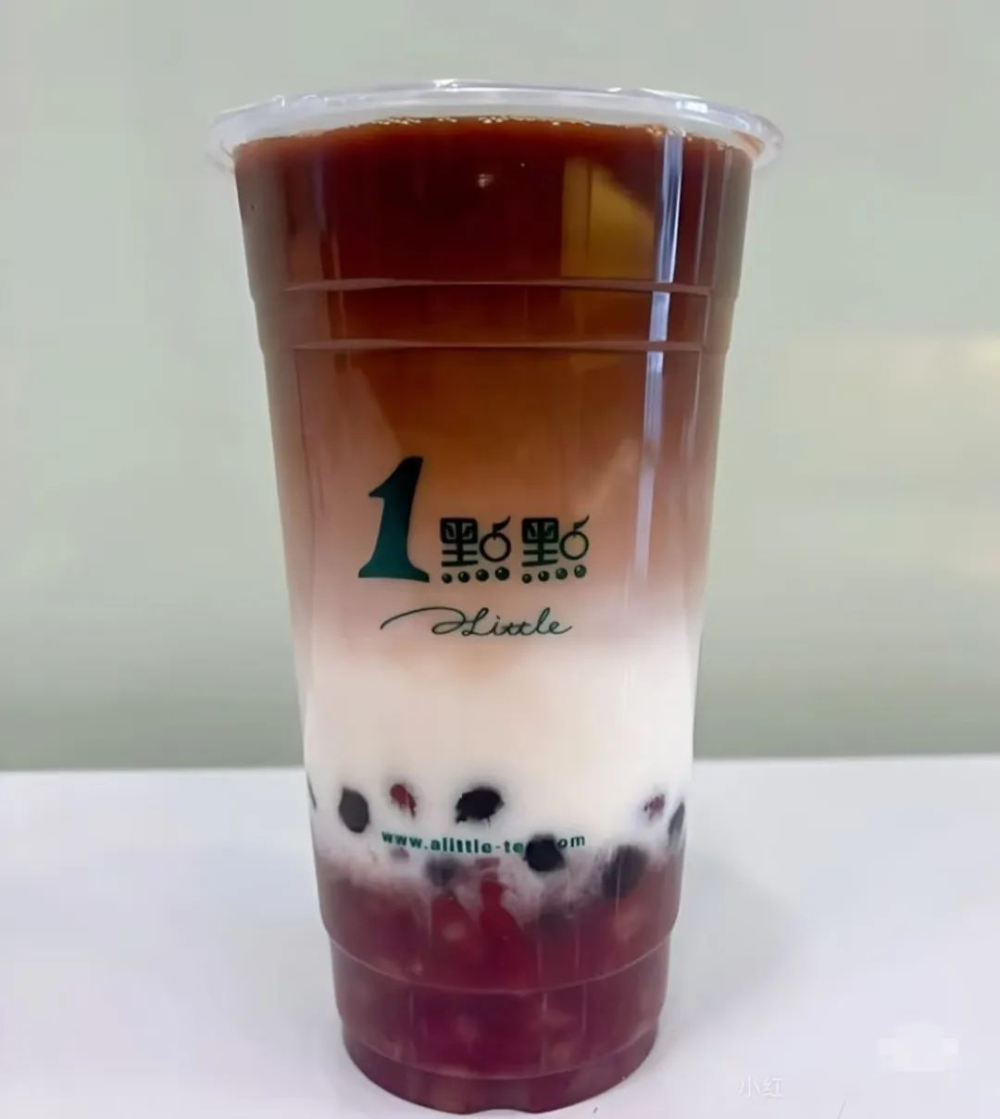
Based on early consumer feedback, some did indeed enjoy the rich flavor resulting from the blend of red bean paste and Pu’er milk tea, with the sweet aroma of red beans dispersing in the mouth, offering a smooth texture and no cloudiness—making it a popular choice for repeat purchases. However, many others were left disappointed, stating that the drink they received looked nothing like the promotional images.
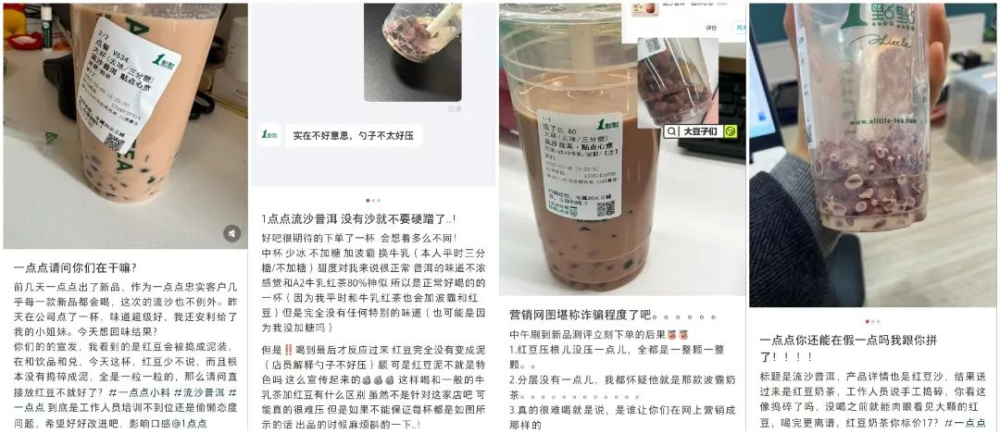
Numerous consumers shared their "buyer’s photos" on social platforms, showing clearly separated, granular red beans at the bottom of the cup—completely lacking the advertised "flowing sand" texture and more resembling "red bean porridge." This issue was not isolated, with many reporting similar experiences and even suspecting that the wrong toppings had been added.
In response to the wave of negative reviews, a 1 Point barista explained that the red bean paste is made from pre-made red bean toppings. During preparation, the beans are scooped into the cup and manually pressed at least five times before the prepared Pu’er milk tea is poured in. However, the barista also admitted that the process does not strictly require the final product to have a "flowing sand" appearance—only that the beans are mashed at least five times—so due to busyness, this step might be overlooked, leading to inadequately crushed beans in some drinks.
An insider further revealed that while the brand recommends manually pressing the red bean topping in each "Flowing Sand Pu’er" at least five times, in practice, due to high order volumes or rushed processes, staff may only complete the basic addition and neglect the finer details of mashing to achieve the flowing sand effect. As a result, many customers end up with drinks that still contain noticeable red bean granules, even bits of red bean skins, negatively affecting the overall taste experience.
Faced with numerous customer complaints, 1 Point’s official customer service quickly responded, apologizing for the situation and stating that the issue had been reported internally for review. However, many consumers feel that since the brand heavily promotes the "flowing sand" red bean texture in its marketing, it should ensure consistent standards in production—rather than leaving it up to chance whether customers receive the expected product.
This incident also serves as a reminder to consumers that when purchasing drinks with special texture descriptions, they should maintain reasonable expectations and may proactively ask baristas about the preparation method or observe the drink’s appearance to reduce instances of receiving something different from what was expected. If texture is particularly important, it’s advisable to confirm on-site or opt for more consistently reliable options.
In summary, while the creative concept behind 1 Point’s "Flowing Sand Pu’er" is commendable, there remains room for improvement in standardization and quality control during execution. As consumers enjoy the new drink, they should also pay attention to whether the actual product meets expectations to avoid disappointment.
The above content is compiled by CoffeeHunters, a coffee news website.


