







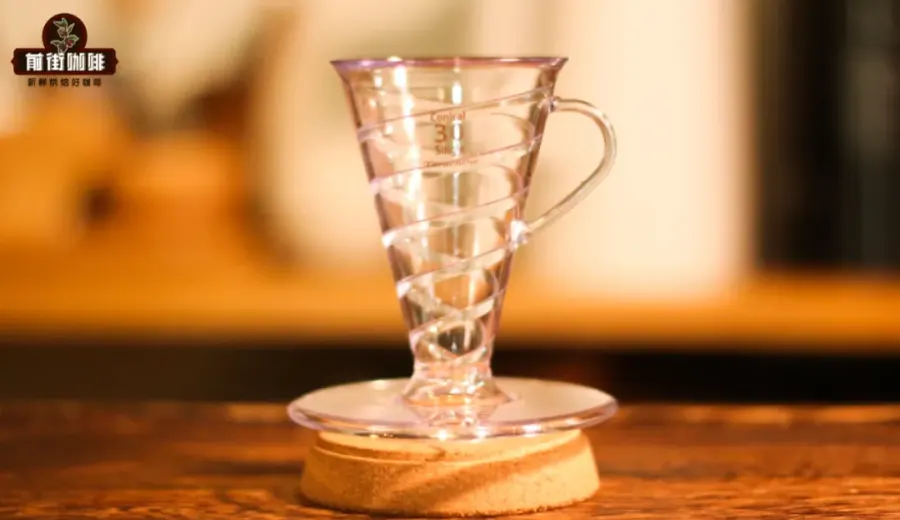
Introduction:Although the V30 and V60 may look similar in shape, their differences in cone angle lead to completely distinct brewing results. This article takes an in-depth look at the structural design principles of these two Japanese-made conical drippers. By comparing key parameters such as bed depth and water flow speed, it helps you understand why the V30 can extract richer coffee flavors, and provides a practical V30 pour over guide to assist coffee enthusiasts in choosing the right tool based on their needs.
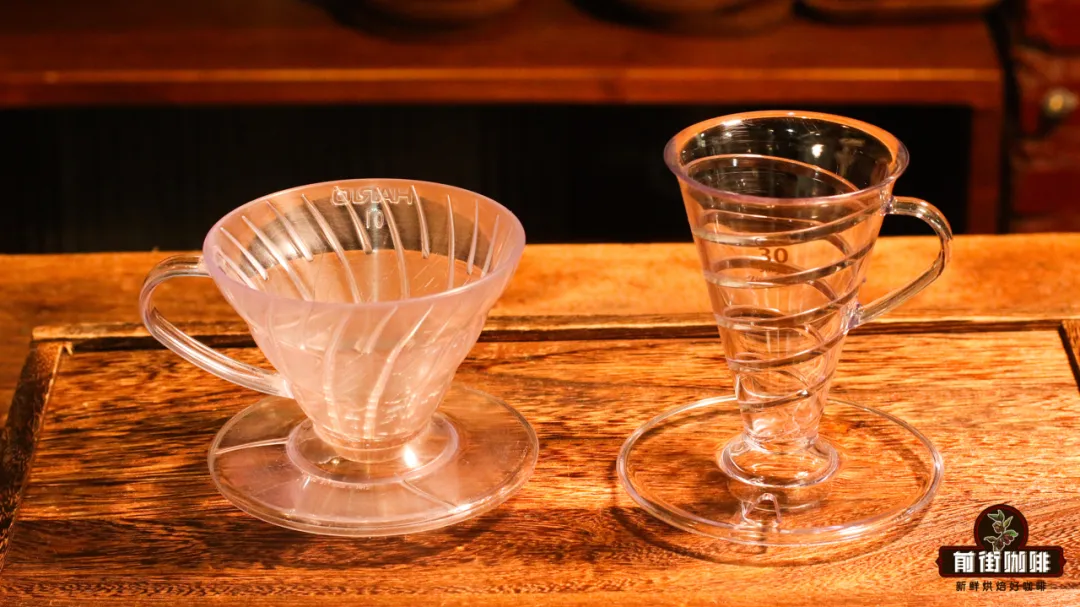
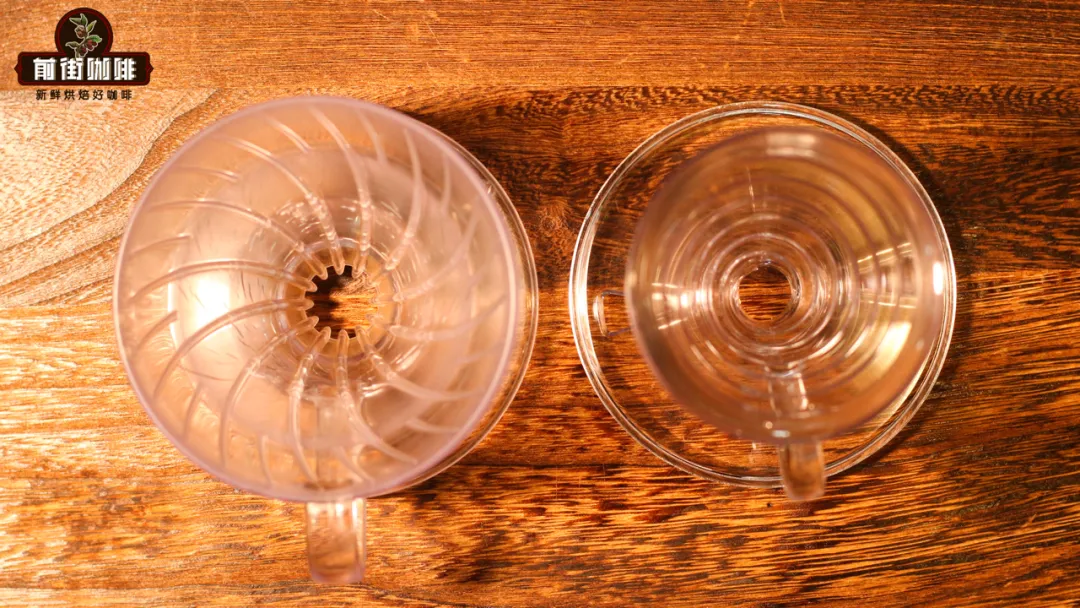
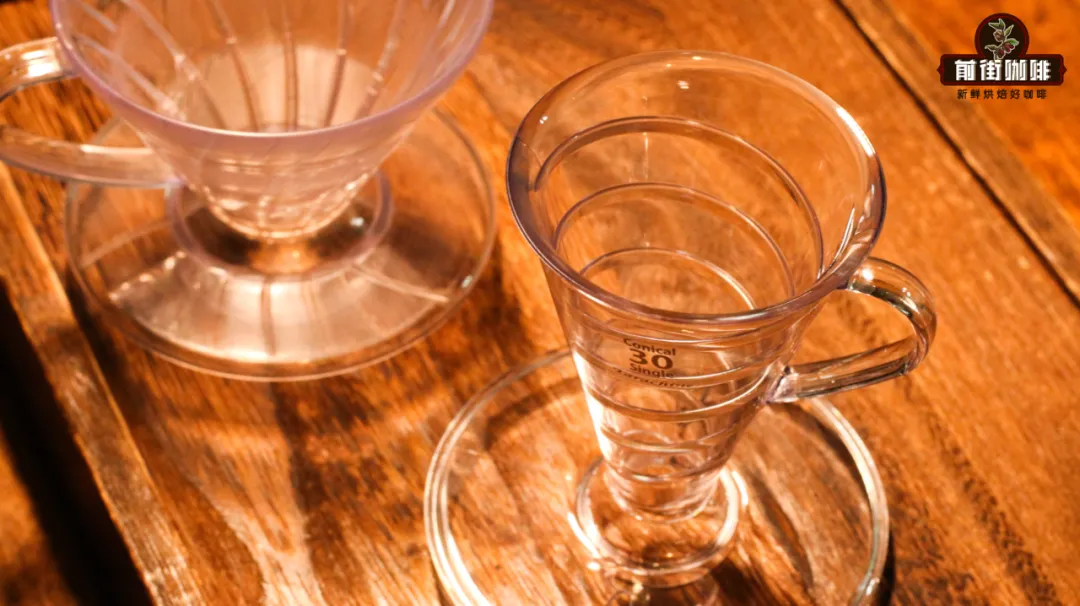
In the world of pour over coffee, the V60 and V30 conical drippers are often compared, but many coffee lovers are actually unaware of their fundamental differences. Though they look similar and are both made in Japan, the V60 is produced by Hario, while the V30 is made by Tarachine Conical. The two differ significantly in design philosophy and actual brewing performance.
Their naming directly reflects their design core: the "60" in V60 refers to the 60-degree angle between the cone wall and the base, while the "30" in V30 comes from its smaller 30-degree cone angle. This seemingly minor angular difference actually results incompletely different bed depths and water flow paths.
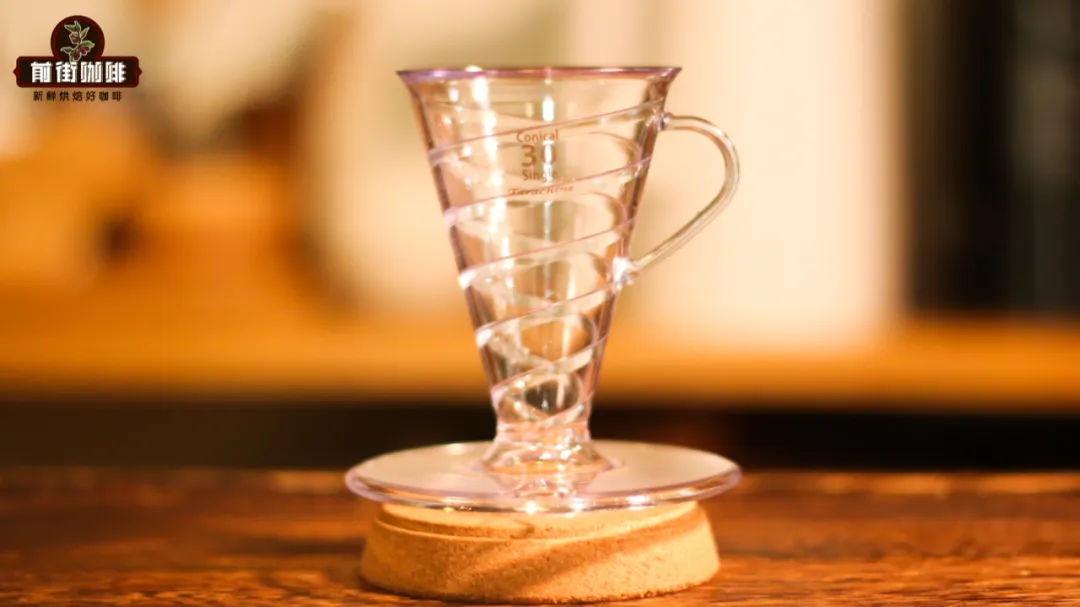
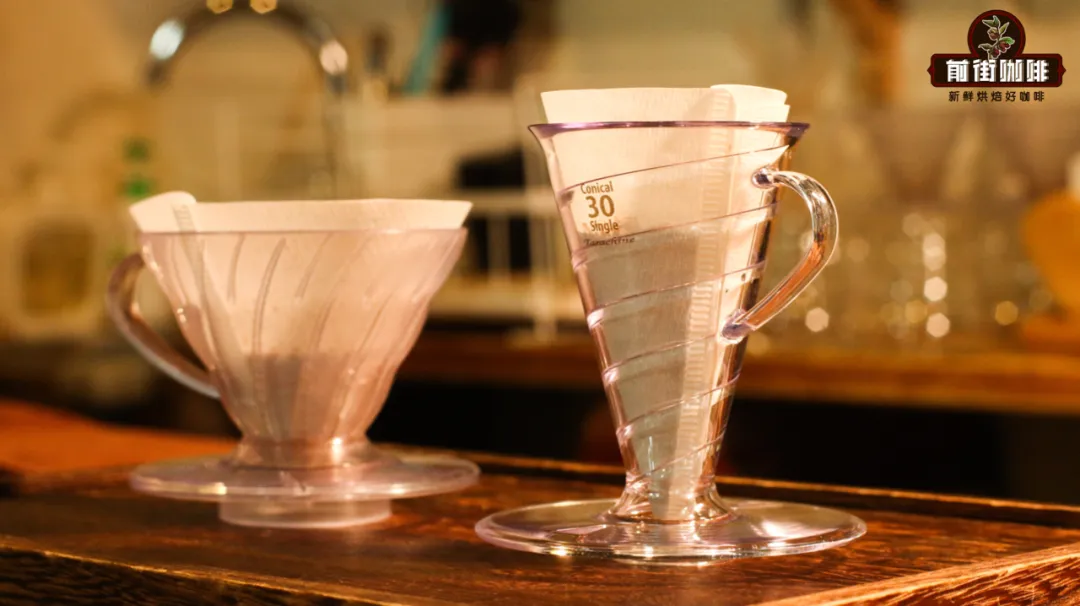
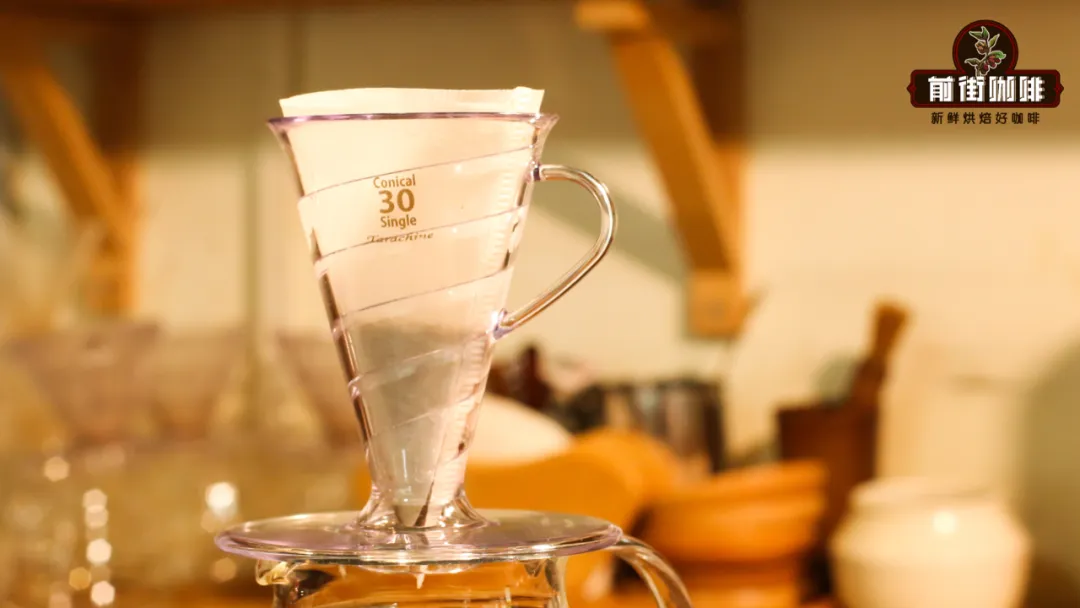
When using the same amount of coffee grounds (for example, 15 grams), the V30’s smaller cone angle causes the coffee grounds to naturally pile up into a taller bed. Since each layer of coffee has a smaller contact surface area, the resulting bed depth is noticeably thicker than that of the V60. This structural difference directly impacts the evenness of coffee extraction and flavor expression.
The thicker bed in the V30 means there is less space between coffee particles, causing water to flow through more slowly, which helps extend the extraction time and allows more flavor compounds to be released. For brewers who prefer a richer taste or want to emphasize the body of the coffee, the V30 can deliver a fuller drinking experience.
In contrast, the V60’s larger 60-degree cone angle creates a more spacious bed, allowing water to pass through the coffee grounds more quickly. This design highlights the acidity and aromatic characteristics of the coffee, making it suitable for brewing styles that pursue bright and vibrant flavors. Both drippers have their strengths — the key lies in understanding their characteristics and selecting the right one based on the coffee bean profile and personal taste preferences.
From a practical brewing perspective, special attention should be paid to pouring speed and technique when using the V30. Due to the thicker bed, it’s recommended to use a slower and steadier pour to avoid over-extraction or uneven extraction caused by poor water flow. Typically, the total brew time should be controlled between 2 minutes and 2 minutes 30 seconds, with fine adjustments possible depending on the roast level and grind size of the coffee beans.
In terms of grind size, the V30 generally works better with a slightly coarser grind (between medium-fine and medium), which helps balance the resistance created by the thicker bed and ensures the flow rate isn’t too slow. If the brew time is too long, you can try adjusting to a slightly coarser grind; conversely, if the extraction is too fast and leads to underdeveloped flavors, a slightly finer grind can be used.
Another practical tip is the preheating step. When using the V30, it’s essential to fully preheat the dripper and server. This not only stabilizes the brewing temperature but also reduces any negative impact from temperature fluctuations on flavor. It’s recommended to rinse the dripper and server with hot water and discard the water — this step also helps remove any potential paper taste from the filter.
For beginners, the V30 offers the advantage of a relatively forgiving margin for error. The thicker bed can buffer minor mistakes, such as uneven pouring or slight grind inconsistencies, and still produce a reasonably balanced cup. However, to fully unlock the V30’s potential, understanding its design principles and accordingly adjusting your brewing parameters remains essential.
In summary, the choice between the V30 and V60 depends on the coffee flavor profile you’re aiming for. The V30 is ideal for coffee lovers who enjoy a rich body and full-bodied taste, while the V60 better highlights bright acidity and vibrant aromas. By understanding the structural differences of these two drippers and their real effects on extraction, you can make a more precise choice based on the coffee bean characteristics and your own taste preferences.
The above content is compiled by CoffeeHunters, a coffee news website.


