







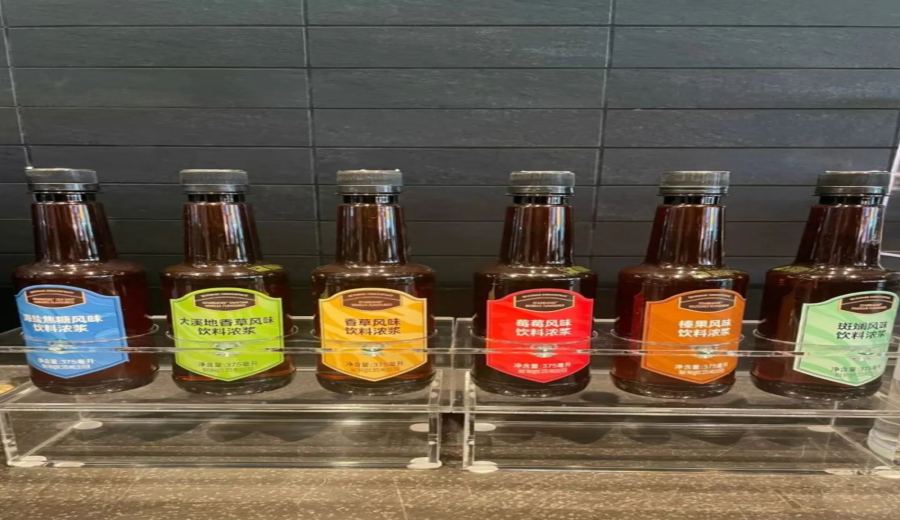
Introduction:Starbucks has recently updated its sweetness selection system, replacing the traditional method of adjusting syrup pumps with a new structure divided into three main categories: "Classic Sugar," "Zero-Calorie Sweetener," and "No Added Sugar." These are further subdivided into two levels: "Less Sweet" and "Standard Sweet." While this new system makes it easier for those managing their sugar intake, it has also caused discomfort among customers and staff accustomed to customizing sweetness levels. This article provides an in-depth analysis of the new sweetness options, real-world ordering differences, and genuine feedback from users and staff to help you more smoothly order coffee with your desired level of sweetness.
Starbucks has recently launched a major overhaul of its sweetness selection system in the Chinese market, shifting from the previous free adjustment of syrup pump counts to a more structured approach that separates "flavor" and "sweetness" options. This update aims to offer clearer control over sweetness, especially catering to customers seeking reduced or low-sugar options. However, its official rollout has sparked considerable discussion and adaptation challenges.
Under the old ordering system, customers could freely choose how many pumps of flavored syrup to add based on personal preference—for example, one pump of vanilla, one pump of hazelnut, or even a mix—to create a uniquely tailored coffee flavor. This flexible adjustment allowed many customers to precisely manage the balance between sweetness and flavor in their drinks.
However, the new system eliminates the option to freely adjust pump counts, instead categorizing sweetness into three main types: "Classic Sugar," "Zero-Calorie Sweetener," and "No Added Sugar," which are further divided into "Less Sweet" and "Standard Sweet" levels. While this change makes it easier for health-conscious or sugar-reducing customers to choose, it has also left long-time users who relied on precise pump-based customization feeling confused.
Many customers have reported that the new system’s options seem more complicated, and the actual perceived sweetness of "Less Sweet" and "Standard Sweet" often differs from expectations. For instance, some users mentioned, "I ordered the ‘Less Sugar’ version of the Yuanyang, but it turned out very sweet," or "The Salted Ice Tea was still too sweet even when I chose Less Sweet," indicating a possible discrepancy between the labeled sweetness levels and actual taste.
For long-term customers who relied on pump counts to adjust sweetness, the new system’s options lack intuitiveness and are no longer as straightforward as the old "X pumps of sugar" method. Some consumers have bluntly stated that selecting sweetness under the new system feels like doing reading comprehension—requiring time to understand the real meaning behind each option—which reduces ordering efficiency and accuracy.
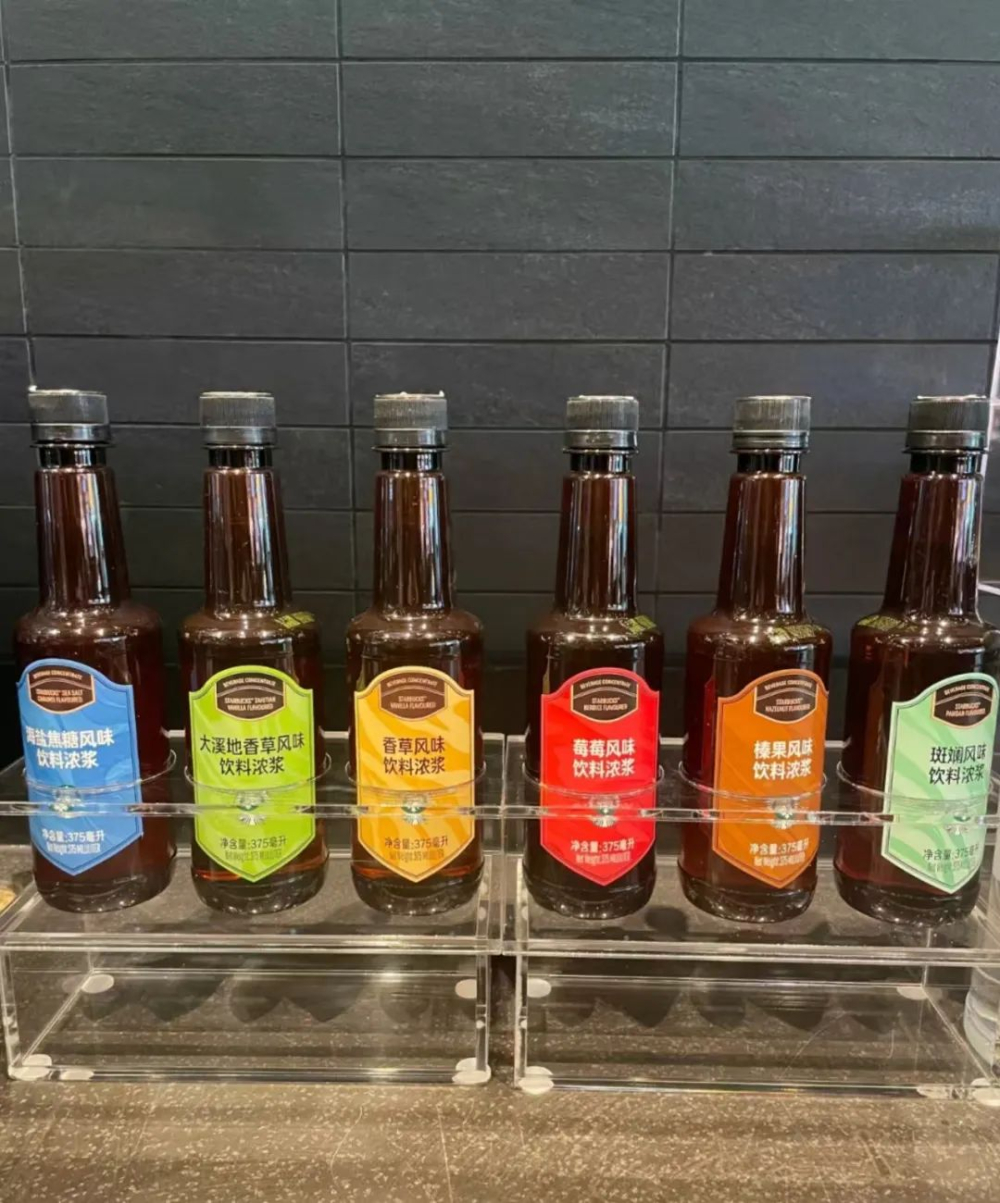
Not only are customers having trouble adapting, but Starbucks staff also face new challenges. With the addition of zero-calorie sweeteners and various flavored syrups, the label information for each drink has become more complicated. Staff now need to confirm additional details such as the type of sweetness, whether sugar is added, and the specific sweetness level when preparing drinks, increasing operational complexity and the risk of errors.
Some staff members noted that what is called "Less Sweet" is essentially just one pump less than the "Standard Sweet" level, a concept that isn’t hard to grasp. However, in practice, because the base syrup requirements vary for each drink—and with the new labeling system not yet fully familiar—staff often need to double-check repeatedly, with some even joking, "Ever since we switched the syrup system, I don’t even know how to make coffee anymore."
Overall, while Starbucks’ updated sweetness system is well-intentioned, aiming to provide healthier choices and clearer sweetness grading, its practical execution still needs refinement. For customers, it’s recommended to familiarize yourself with the actual differences between "Less Sweet" and "Standard Sweet" before ordering, and if needed, ask staff about the specific sweetness experience. For baristas, more time is also required to become familiar with the new labels and procedures to reduce preparation errors and communication costs.
Whether Starbucks will further adjust the presentation of sweetness options or restore some degree of customization flexibility based on user feedback remains to be seen. For customers seeking a personalized coffee experience, striking a balance between health and taste remains a shared challenge for both the brand and its patrons.
The above content is compiled by CoffeeHunters, a coffee news website.


