







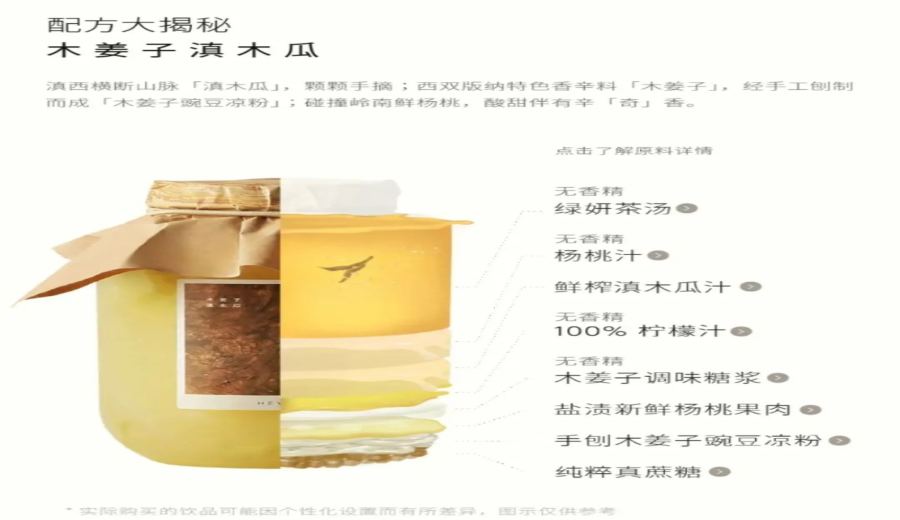
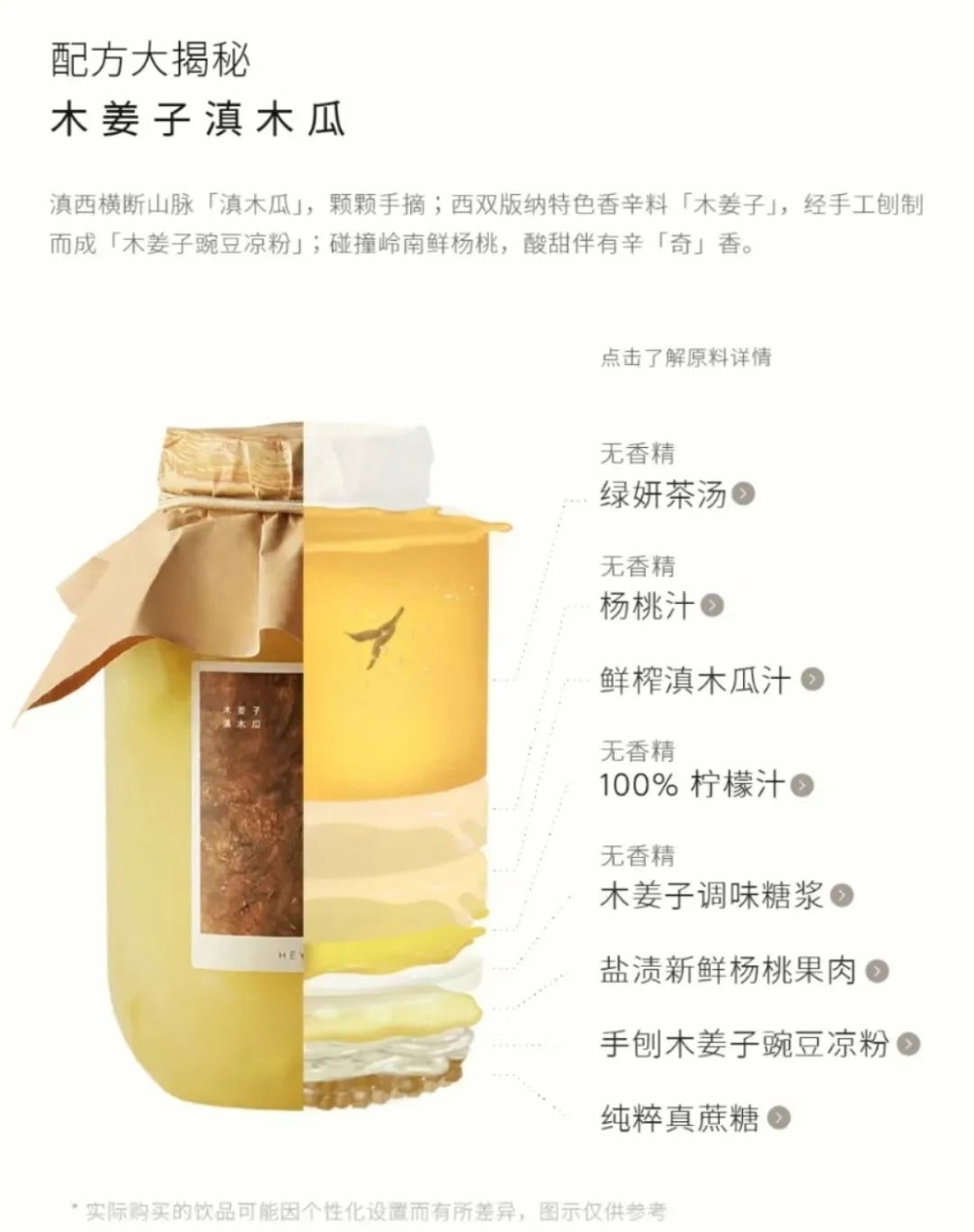
Introduction:Heytea recently launched a seasonal limited-edition drink, “Sichuan Pepper & Yunnan Sour Papaya,” combining sour papaya from western Yunnan, Sichuan pepper from Xishuangbanna, star fruit from the Lingnan region, and a special Sichuan pepper pea jelly. It boasts a unique flavor profile that weaves together sweet and sour notes. However, the drink has received mixed reviews since its release, with some finding the sourness overly intense, while others feel the sweetness overwhelms the fruity aroma. This article analyzes the characteristics of this new product and the possible gap between expectation and experience, examining its actual flavor performance, fresh fruit properties, and individual taste differences to help readers decide whether it’s worth trying.
Heytea’s newly released seasonal limited-edition drink, “Sichuan Pepper & Yunnan Sour Papaya,” is based on the uniquely sour papaya native to western Yunnan, paired with the spicy aromatic Sichuan pepper from Xishuangbanna, fresh star fruit from the Lingnan region, and a specially made Sichuan pepper pea jelly. It claims to deliver a richly layered sweet and sour experience. However, shortly after its launch, online discussions quickly polarized. Some consumers described its sourness as “penetrating,” while others said even the low-sugar version still had sweetness that overpowered the fruitiness. Some even felt the overall flavor was far from what they expected from Yunnan papaya and Sichuan pepper.
Yunnan sour papaya, also simply called sour papaya, is relatively common in Yunnan and is known for its high acidity. It is usually used in cooking or brewing, and rarely consumed fresh. Sichuan pepper is a pungent spice with a refreshing aroma, reminiscent of a mix between lemon and camphor. For those unfamiliar with this ingredient, its taste can seem unusual at first. Combining these two strongly flavored ingredients is, for many beverage enthusiasts, an intriguing experiment in itself.
However, actual tasting feedback has been diverse and even contradictory. Some consumers, upon their first try, noticed a pronounced sourness, which became even more prominent after a few sips, making it hard to adjust to. Others specifically chose the “extra less sugar” version, hoping to enjoy a more distinct fruit acidity, but found the sweetness still dominated, with the sourness becoming less noticeable. As for those who opted for the no-sugar version, they generally reported that the drink was overall too sweet, and the uniquely sour fragrance of Yunnan sour papaya didn’t come through as expected, leading to some disappointment.
Interestingly, beyond the polarized sweet-and-sour reviews, this drink has also been described in various ways such as “no-sugar salty lemon seven,” “flat soda water,” and “spicy hot-and-sour noodles cooked with orange juice.” This shows how its flavor impacted different people’s palates in completely distinct ways. Some reviews pointed out that they had hoped to experience the unique pairing of Yunnan papaya and Sichuan pepper through this drink, but in reality, the aromas of both were rather muted, while the star fruit flavor stood out more prominently.
In response to such varied feedback, experienced beverage enthusiasts speculate that differences in the harvest batches of fresh fruits may be a key factor influencing the final flavor. The maturity, acidity, and aroma concentration of Yunnan sour papaya and Sichuan pepper can vary between batches, leading to flavor discrepancies for the same drink across different regions or time periods. Additionally, individual tolerance to sourness varies greatly—those who enjoy sour flavors might find even the no-sugar version not sour enough, while those unaccustomed to sourness may find the combination of sweet and sour off-putting after just one sip.
Overall, Heytea’s “Sichuan Pepper & Yunnan Sour Papaya” is a uniquely flavored and challenging seasonal limited-edition drink. If you’re interested in sweet-and-sour taste profiles or distinctive spices, it’s worth trying for yourself. However, it’s recommended to choose a sweetness level that suits your preference for acidity, and to approach the experience with an open mind, ready for potential flavor surprises or disappointments. After all, the actual performance of the drink often depends closely on individual taste preferences and the condition of the fresh fruits at the time.
The above content is compiled by CoffeeHunters, a coffee news website.


