







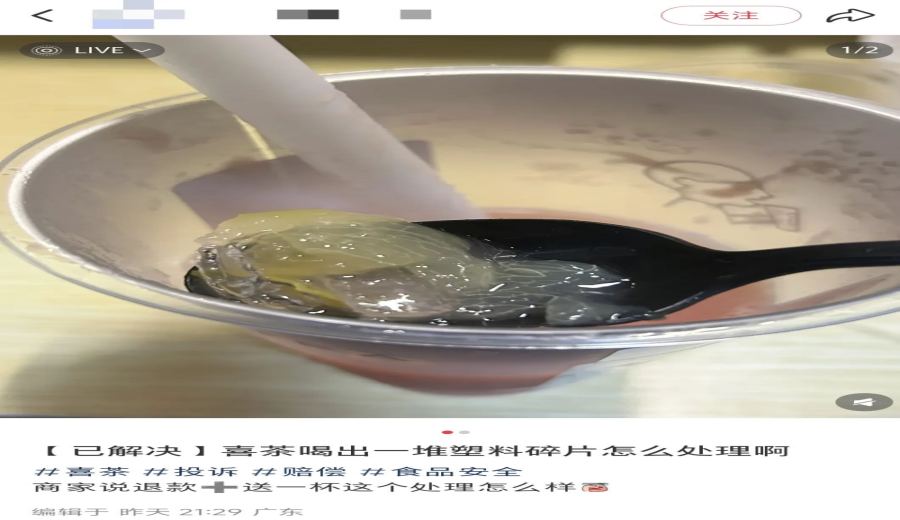
Introduction:The well-known beverage brand Heytea has recently been embroiled in a food safety controversy after a consumer found numerous unidentified plastic fragments in its popular "Mulberry Grape" drink, sparking concerns over the quality control of freshly made beverages. This article delves into the incident, the brand's response, explores avenues for consumer rights protection, and reminds beverage businesses to strengthen operational procedures to ensure food safety.
Recently, a consumer shared a shocking experience on social media: while ordering Heytea’s popular “Mulberry Grape” drink, they discovered multiple pieces of plastic debris in the beverage. According to their description, they bit into something clearly foreign upon their first sip, and subsequently found several unidentifiable plastic fragments at the bottom of the cup. The incident quickly sparked heated discussion online.
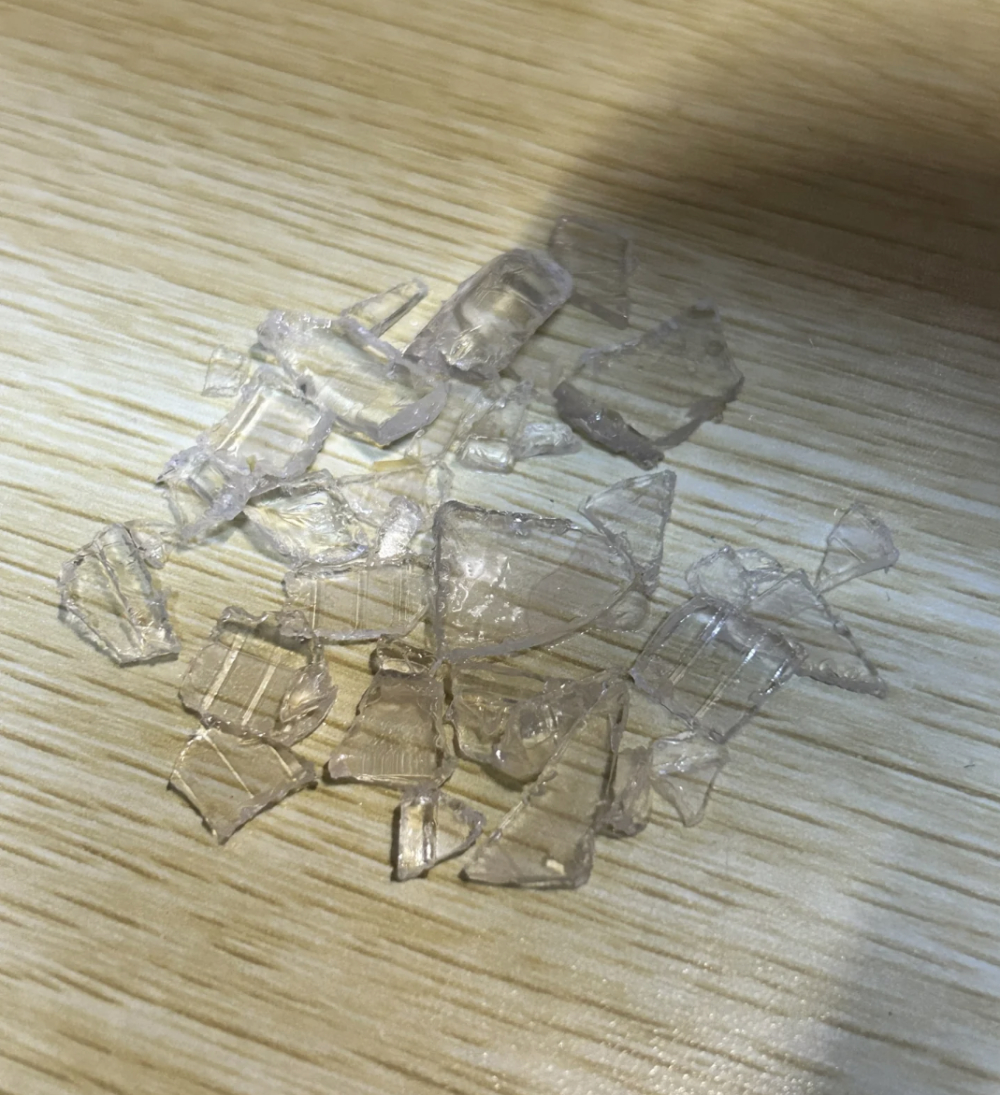
The consumer noted that at first, they thought it was a single piece of plastic, but as they continued drinking, they found multiple pieces of plastic debris of unknown origin at the bottom of the cup. Photos show that these plastic fragments were mostly irregular and transparent, mixed with the grape pulp and ice in the drink, and were particularly easy to mistake for ice under light refraction.
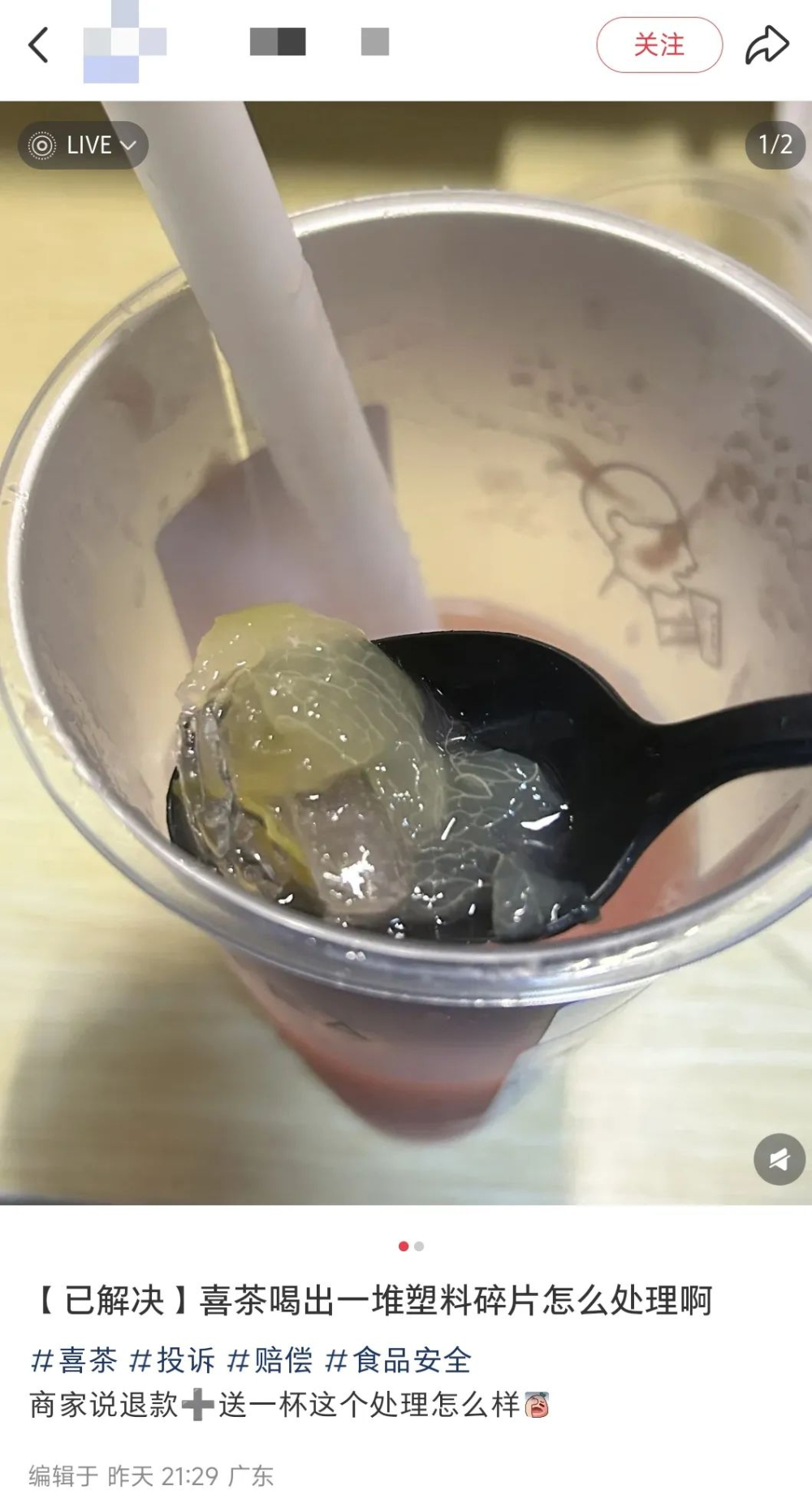
After the incident, the consumer immediately reported it to the store, where the initial response from the staff was that an internal investigation could not confirm the exact source of the plastic fragments, but they offered a full refund for the original order and an additional free drink as compensation. This initial handling solution quickly drew widespread commentary online, with many believing it did not adequately address the food safety concerns.
Further observation revealed that some of the plastic fragments had markings resembling measurement scales on their surfaces. Coupled with the material characteristics described by the consumer, several industry professionals familiar with beverage preparation speculated that these foreign objects were very likely from parts of common store equipment, such as the lid of a shaker bottle. The speculation is that during the preparation process, a staff member accidentally allowed a part of the bottle lid to mix into the fruit and ice mixture, which then shattered into multiple pieces under the high-speed rotation of the blender and went unnoticed until the drink was sealed and served.
In the face of this food safety incident, netizens have expressed widespread concern, especially regarding the potential health risks if consumers had not noticed and accidentally consumed the plastic fragments. Most opinions hold that this is a fairly serious food safety issue, and that the brand’s compensation solution of only offering a refund and a free drink shows a clear lack of sincerity.
After further negotiation between the consumer and the business, the brand eventually agreed to compensate the consumer ten times the original order amount. This outcome has drawn wide attention online and once again highlights the importance of quality control and crisis management for freshly made beverage businesses.
In addition to reminding consumers to pay attention to beverage hygiene, this incident also serves as a wake-up call for the industry. Professionals suggest that strict equipment inspection procedures should be implemented during beverage preparation, especially for frequently used items such as shaker bottles—each component should be thoroughly inspected before each use to prevent similar incidents of foreign objects being mixed in. At the same time, consumers should also develop the habit of inspecting the appearance of their drinks before drinking, and if any abnormalities are found, preserve evidence and communicate with the business promptly.
The above content is compiled by CoffeeHunters, a coffee news website.


