







Introduction:What exactly is the difference between hot pour over and cold pour over? From brew ratios and grind settings to final flavor profiles, we break down the core differences between these two brewing methods in one go. This article, through practical parameter comparisons and experimental data, dives deep into why hot brewing is more conducive to flavor extraction, why cold brewing requires adjustments in water volume and grind size, and also uncovers the reasoning behind some coffee shops charging extra for iced pours—helping you find your ideal way to enjoy coffee.
When selecting a pour over coffee, many people struggle with whether to go for hot or iced. In reality, these two brewing methods differ significantly in terms of parameter settings, flavor presentation, and extraction efficiency. To clarify things further, we conducted a comparative experiment, analyzing everything from brew parameters, powder-to-water ratio, and grind size to final extraction yield and flavor expression, breaking down the distinctions between hot and cold pour over while explaining why iced versions require reduced water and finer grind, as well as why some shops charge more for them.
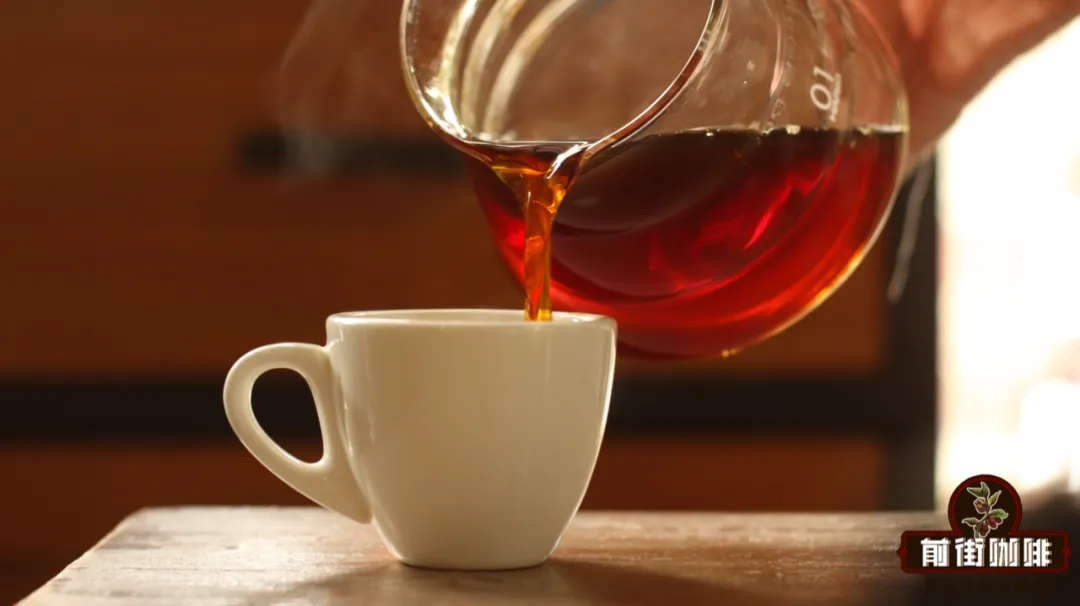
Many coffee enthusiasts tend to prefer hot pour over when enjoying hand-brewed coffee. The reason is simple: hot brewing can more fully present the layered flavors of coffee, making its acidity, sweetness, bitterness, saltiness, and aroma more vivid and balanced. If you wish to deeply experience the unique character of a particular coffee bean, hot brewing is usually the better choice.
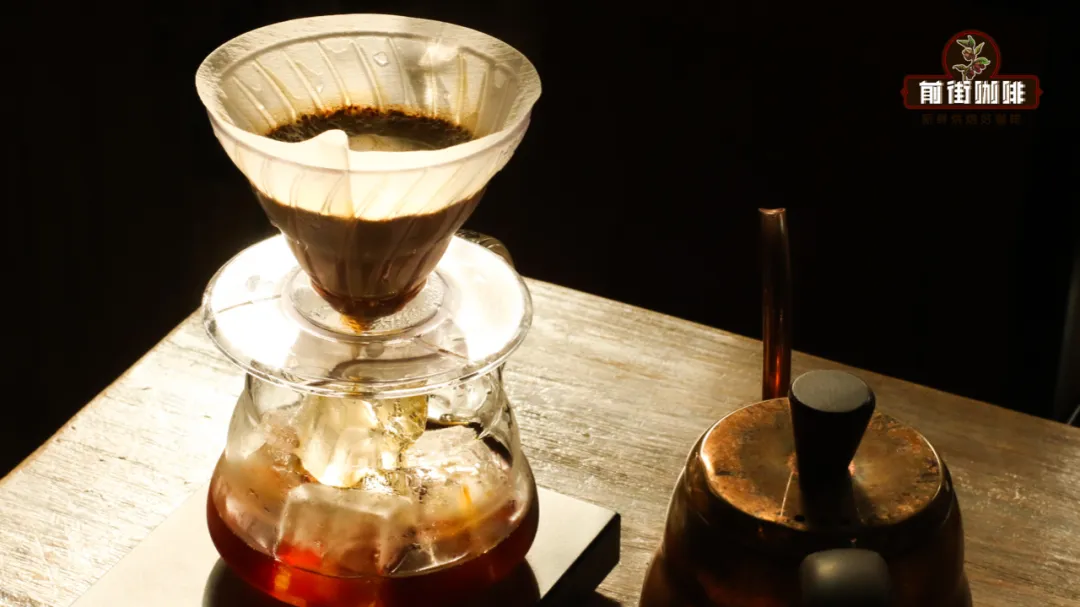
In this experiment, we used two common pour over brewing methods: hot pour over and cold pour over, carefully documenting all relevant brewing parameters. For the hot pour over, we used 15 grams of coffee beans ground to a 10 setting on the Ek43 grinder, with a water temperature of 92°C, a powder-to-water ratio of 1:15 (i.e., 15 grams of coffee to 225 ml of hot water), and a total brewing time of about 2 minutes. The cold pour over was adjusted to use 15 grams of coffee, ground to a 9.5 setting on the Ek43, also using 92°C hot water, but the powder-to-water ratio was changed to 1:10 (15 grams of coffee to 150 ml of hot water), with an additional ice-to-powder ratio of 1:6 (i.e., 15 grams of coffee with 90 grams of ice, which does not fully melt), and the overall brewing time was also around 2 minutes.
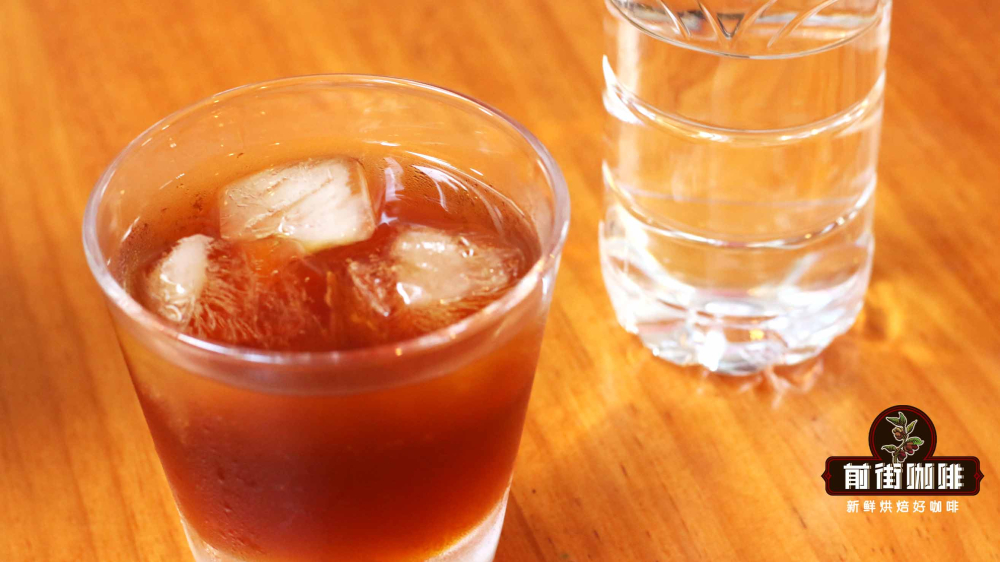
Looking at these two sets of parameters, the most obvious difference lies in the water volume and grind size. Cold pour over uses less water because it relies on ice to rapidly lower the temperature, so the total pouring volume must be reduced to maintain appropriate coffee concentration—otherwise, once the ice melts, the coffee can easily become too weak and lacking in flavor.
However, reducing the water volume also leads to a drop in coffee extraction efficiency, meaning some flavor compounds may not be fully drawn out. To address this, the grind size for cold pour over is slightly finer to increase the contact area between coffee grounds and water, thereby improving overall extraction yield. It can be said that the difference in water volume is the key factor causing variations in both parameters and flavor between the two methods.
Since pour over coffee does not have the high-pressure extraction environment of an espresso machine and relies solely on drip filtration, insufficient water volume makes it difficult to effectively extract aromatic compounds and acidic-sweet components from the coffee. To more直观ly demonstrate this difference, we specially designed a control experiment: using the same coffee beans, we brewed with both 1:15 and 1:10 powder-to-water ratios—the only difference being that the 1:10 group did not use ice but was later diluted with hot water, so that both cups ended up with similar final temperature and concentration, thus highlighting the flavor gap caused by different water volumes.
The experiment used a single-origin Yirgacheffe bean from the Guodingding Cooperative, which boasts bright jasmine floral notes along with lemon, honey, and green tea undertones—making it highly suitable for comparing flavor variations brought by different brewing methods. Additionally, medium-to-light roasted beans such as Huakui, Strawberry Candy, Xizha, and Daduyi, known for their rich floral and fruity aromas, are often recommended for cold pour over—not only showcasing a refreshing sweet-tart profile but even delivering a juice-like mouthfeel.
After brewing, we measured the liquid weight of both pots. The results showed that the 1:15 powder-to-water brew had a final liquid weight of 195 ml, while the 1:10 version measured 120 ml. We then took samples from each for extraction yield testing and diluted the 1:10 brew with 70 ml of 65°C hot water to match the concentration of the 1:15 brew. Finally, we invited café customers to participate in a blind taste test and flavor evaluation.
The experimental results were quite clear: the 1:15 brew achieved an extraction yield of 20.6%, with a rich flavor profile, balanced and vibrant sweet-tart notes, primarily featuring citrus, strawberry, cream, and berry tones, and a honey-like sweetness with distinct aftertaste in the finish; whereas the 1:10 brew, though with an extraction yield of 18.1%, displayed more pronounced acidity and sweetness, the overall flavor complexity was slightly weaker, with almost no bitterness perceived and lacking a lingering sweet finish. Nevertheless, this cup still fell within the range of enjoyable flavors.
During the customer blind taste test, the vast majority chose the 1:15 brew, considering it more full-bodied, balanced, and layered in flavor. This shows that although both are drinkable, hot pour over indeed outperforms in terms of overall flavor completeness and expressive power.
Some might ask: if insufficient water volume leads to incomplete extraction, could adjusting the grind even finer or increasing the water temperature make up for it? Theoretically possible, but in practice, overly fine grinding introduces another issue—increased fines. While fines enhance extraction efficiency due to their larger surface area, they also accelerate the dissolution of bitter compounds and impurities, often leading to a rough mouthfeel or even unpleasant astringent sensations.
One test showed that when the grind was adjusted to a 7 setting on the Ek43 (finer), with other parameters unchanged, the 1:10 brew’s extraction yield could reach the golden cup range of 20%, but in actual tasting, there were almost no clear flavors—instead, it was dominated by bitterness and off-notes. Therefore, most cafés only make minor adjustments to hot pour over when preparing cold pour over, avoiding sacrificing stability and taste balance in pursuit of extreme flavor.
Some shops opt to increase coffee bean quantity to improve extraction completeness, thereby raising the total water volume—though this also increases costs, making it a less popular approach. This also explains why some coffee shops charge extra for iced pour over—due to the need for more precise adjustments and higher ingredient costs.
In summary, if you’re after a pour over coffee with full-bodied flavor and distinct layers, hot brewing is undoubtedly the better option. Sufficient water volume not only effectively extracts a wide range of flavor compounds from the coffee, but also allows its acidity, sweetness, bitterness, saltiness, and aroma to be fully expressed, delivering a richer and more satisfying taste experience.
The above content is compiled by CoffeeHunters, a coffee news website.


