








Introduction:Many people assume that dark roast coffee should be completely devoid of acidity, but this is actually a common misconception. This article delves into the reasons why dark roast coffee can still exhibit acidity, analyzing the changes in acidic compounds during the roasting process and why these acids are not easily detected. Understanding these details can help you make more precise judgments about flavor when selecting and brewing dark roast beans.
A common belief among many coffee enthusiasts is that dark roast coffee should have no acidity at all. However, when tasting, they occasionally notice a slight tanginess, which often leads to confusion or even suspicion of under-roasting. In fact, dark roast coffee does still contain acidity—it’s just that these acidic notes are usually overshadowed by intense bitterness and smoky or chocolatey aromas, making them hard to perceive.
It’s often said, “The lighter the roast, the more acidic the coffee; the darker the roast, the more bitter.” While this statement is generally accurate, it can also lead people to wrongly believe that dark roast coffee is entirely free of acidity. In reality, whether acidity is present depends on multiple factors, including the chemical composition of the green beans, the chemical reactions during roasting, and the mechanisms of final flavor perception.

The acidity in coffee mainly comes from two sources: naturally occurring organic acids in green beans—such as chlorogenic acid, citric acid, and malic acid—and acetic acid (i.e., vinegar acid) produced by the caramelization of sugars during roasting. In the early stages of roasting, these organic acids have not yet broken down significantly, so light roasts typically exhibit pronounced acidity and a fresh flavor profile.
As the roast level deepens, especially entering the medium-dark to second crack stages, the organic acids in the beans gradually decompose and transform, causing acidity to naturally decline. However, this doesn’t mean acidity disappears entirely. Even in dark roasts, some organic acids remain, and the caramelization process can also generate new acetic acid—all of which influence the final flavor.

So why do we often fail to detect noticeable acidity when drinking dark roast coffee? The key lies in the bitter compounds produced during dark roasting and the dominant role of intense aromas. Dark roasting generates a large amount of carbonized and caramelized substances, resulting in a strong bitter taste. Human sensitivity to bitterness is usually higher than to acidity, so faint acidic notes can easily go unnoticed.
Additionally, dark roast coffee is often accompanied by rich aromas such as smoky, chocolatey, and caramel notes. These aromas stimulate the olfactory senses first, further suppressing our attention to acidity. In other words, acidity isn’t absent—it’s simply masked by stronger taste and aroma experiences.

However, there are cases where we can still detect acidity in dark roast coffee. For example, if the coffee beans themselves come from varieties with naturally higher acidity, they may retain a certain degree of sourness even after dark roasting. Alternatively, if brewing results in under-extraction, failing to fully dissolve enough flavor compounds, the acidity may become more noticeable.
Moreover, individual taste sensitivity varies. Some coffee lovers are particularly sensitive to acidity and can clearly discern even trace amounts. Therefore, if you perceive acidity in a cup of dark roast coffee, don’t doubt your palate—it’s often the result of multiple factors interacting together.
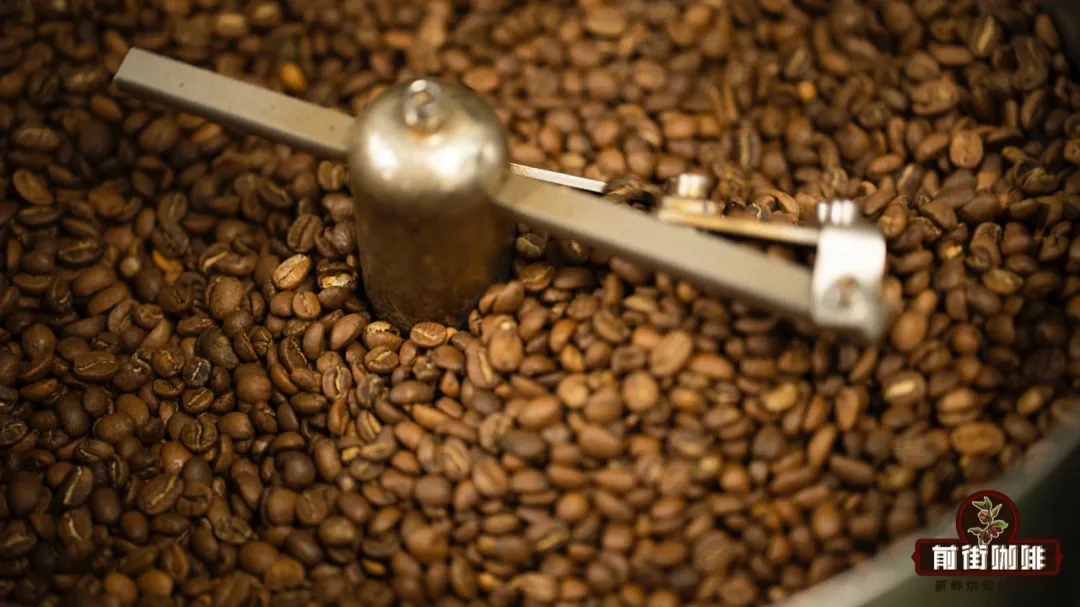
In summary, dark roast coffee is not entirely free of acidity; rather, its acidity is relatively low and easily overshadowed by other flavors. Understanding the changes in acidity and bitterness during roasting, as well as the various conditions that affect flavor perception, can help you more comprehensively grasp a coffee’s flavor profile. This knowledge allows you to make better choices when selecting beans or adjusting brewing parameters.

The next time you enjoy a cup of dark roast coffee, take a moment to carefully savor its layers—you might just discover those subtle acidic notes hidden behind the bitterness and aromas, further enriching your coffee experience.

The above content is compiled by CoffeeHunters, a coffee news website.


