







Introduction:When Luckin Coffee employees discovered that a new label printer could connect to mobile phones to print images, humorous memes and creative stickers quickly sparked heated discussions within the community. However, this "personalization experiment" was soon shut down by the company, with the printer's use restricted once again to order numbers and expiration tags. What does this incident reveal about brand management thinking? And why do consumers have such an affinity for fun labels? This article takes a deep dive into the realities and contradictions behind the event.
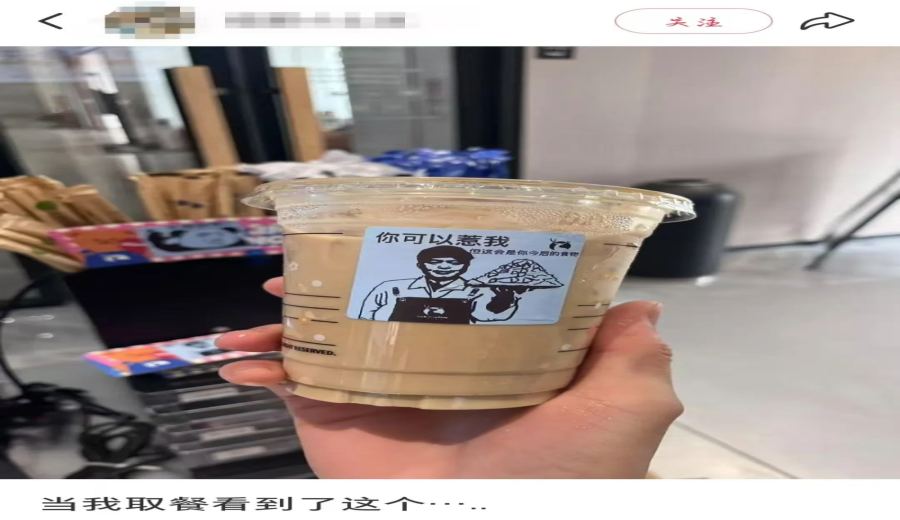
Recently, many customers noticed something unusual with their Luckin Coffee takeaway cups — the usual blue labels, which typically display order numbers and drink details, were replaced with meme images of office workers holding ice cubes or custom-designed patterns full of humor. These creative labels were not officially designed but stemmed from a "hidden feature" of a new label printer that employees accidentally discovered.
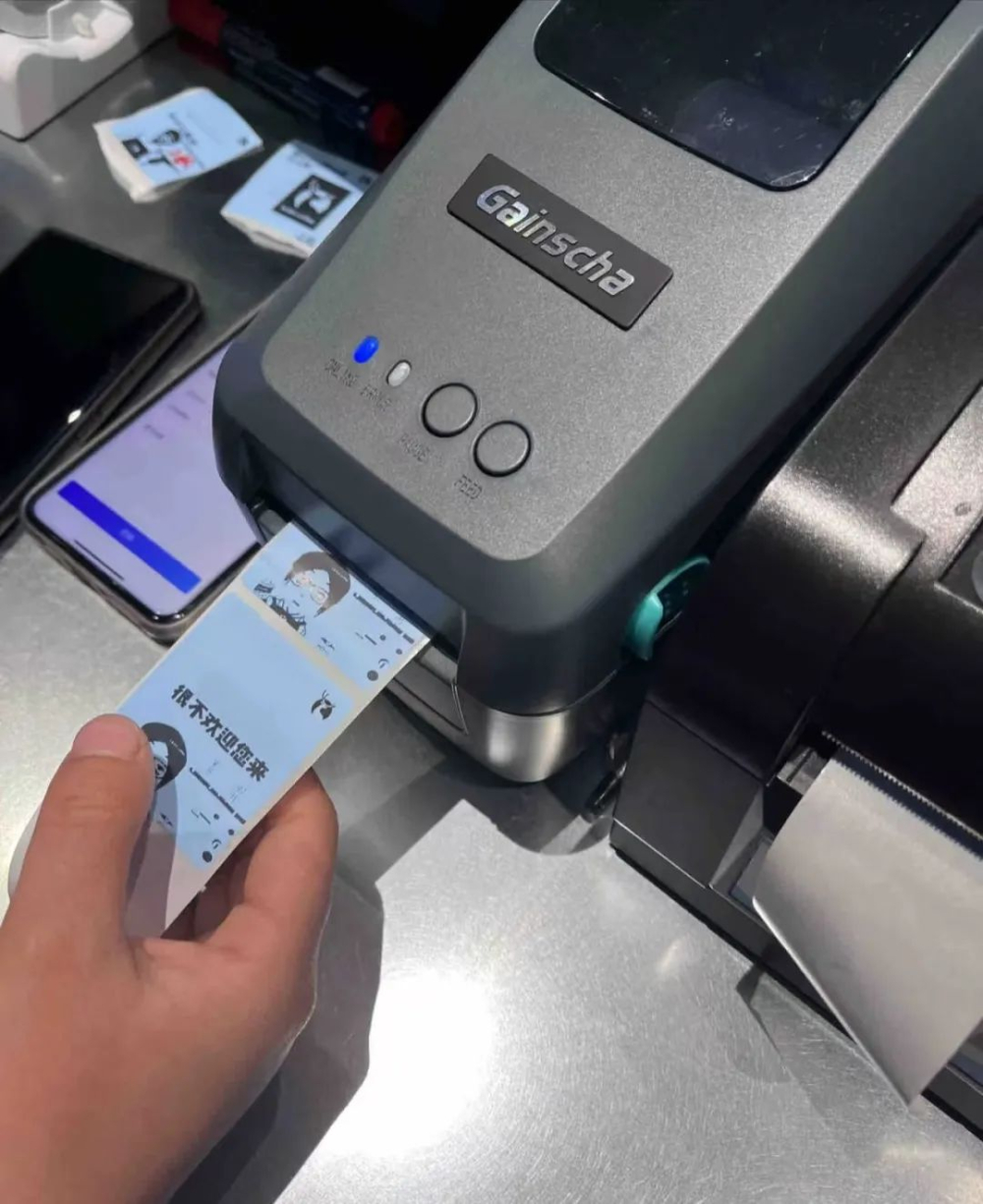
It is understood that Luckin recently replaced the previous labels with smaller-sized ones for its stores and distributed corresponding printing equipment. During testing, some staff tried connecting the printer to a mobile app and unexpectedly found that they could directly print images from their photo albums. This function quickly became an "outlet for creativity" among employees, and from memes to personalized designs, various stickers began appearing on takeaway cups, bar equipment, and even staff aprons.
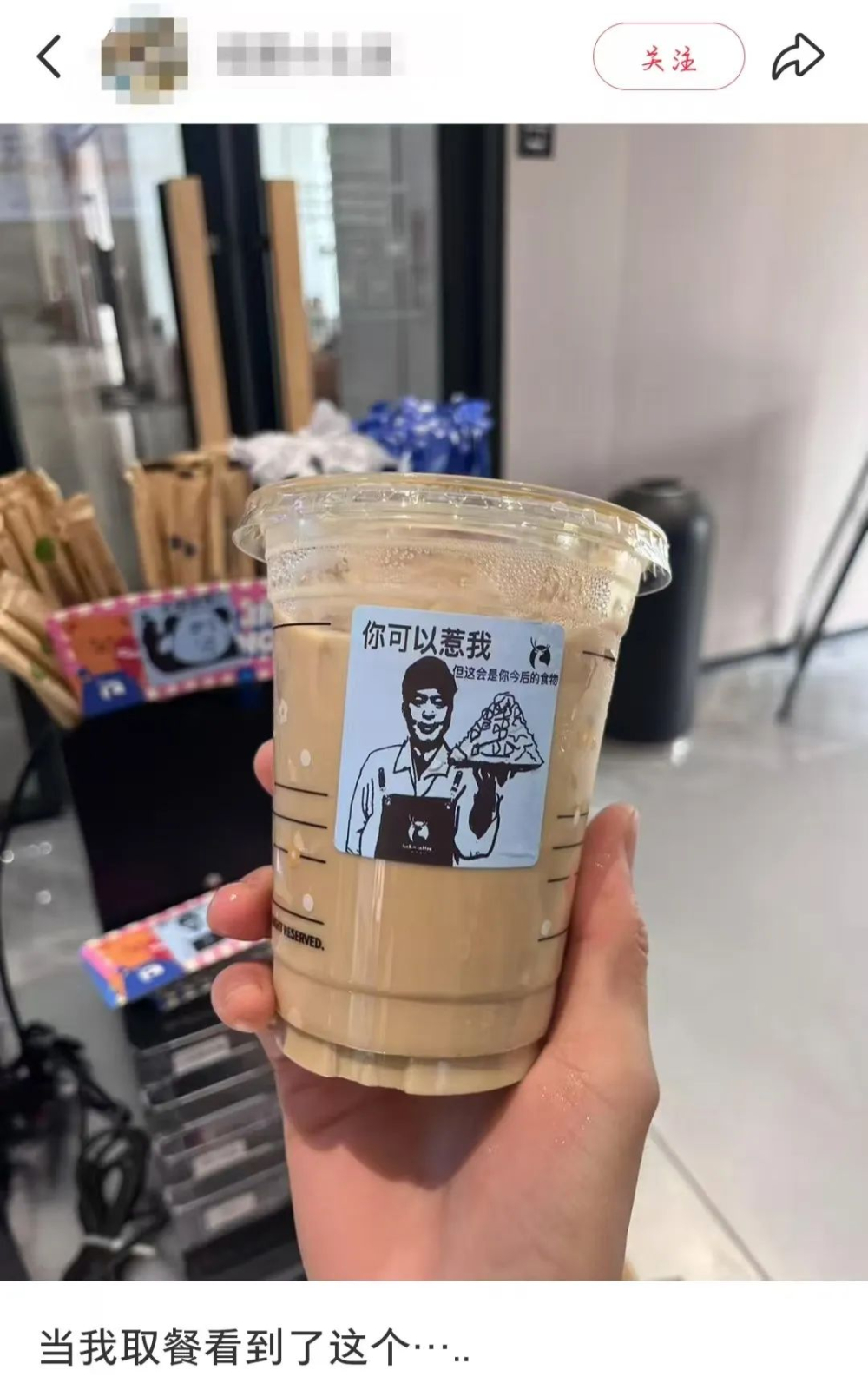
One customer, upon receiving a drink with a funny meme sticker, was so intrigued that they shared a photo on social media, quickly drawing the attention of netizens. Many fans said these playful labels added an element of surprise to their daily coffee runs, with comments like “I look forward to seeing what design I’ll get each day” and “This kind of creativity makes me want to visit more often.” However, some consumers pointed out that if the label content was too “abstract,” it might not be suitable for formal occasions, such as business meetings or group orders.
As related posts on social media multiplied, Luckin’s management acted swiftly, explicitly requiring that the label printers be used only for printing order numbers and expiration tags, and instructing employees to immediately delete any related content from social platforms. While this move curbed the spread of unofficial labels, it also left many customers who had been looking forward to personalized services feeling disappointed.
Industry observers noted that practices similar to Starbucks employees drawing by hand or Heytea offering customizable labels have become ways to enhance a brand’s approachability and customer loyalty. However, Luckin’s decision to strictly control the use of labels reflects the brand’s balancing act between “standardized service” and “employee creative expression.”
It is worth noting that fully opening up personalized label printing could also increase the workload for staff and affect service efficiency. Especially during peak hours, if every customer requested a special design, it could place significant pressure on existing workflows. In addition, the acceptability of sticker content varies from person to person, so how to balance creativity with broad applicability is also a key consideration for the brand.
This “label controversy” triggered by a cup of coffee not only allowed consumers to see a more human side of the brand, but also highlighted the challenges companies face in balancing management flexibility with image consistency. For customers who love creativity, there may still be opportunities in the future to encounter personalized labels that bring a smile during special moments.
The above content is compiled by CoffeeHunters, a coffee news website.


