







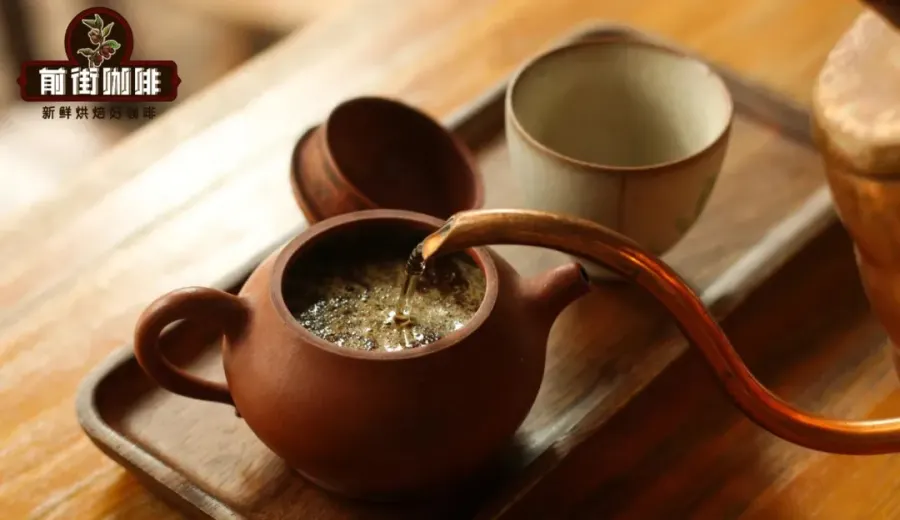
Introduction:Have you ever wondered if you could make a concentrated tea using coffee extraction methods? This article presents a real-world test where we used an espresso machine with different types of tea, adjusting grind size, coffee-to-water ratio, and extraction time to successfully brew a highly concentrated tea. In addition to documenting the complete workflow and key parameters, we also provide a detailed analysis of the similarities and differences in extraction principles between tea and coffee. We share practical issues encountered during testing—such as grinder cleaning and portafilter clogging—and offer improvement suggestions, so you can understand the feasibility and limitations of this interesting experiment.
The extraction principles of coffee and tea actually share many similarities. Since espresso machines can extract highly concentrated coffee in a short time under high pressure, could the same method be used to brew a “concentrated tea”? The industry conducted a full-scale test, documenting the actual process of using a coffee machine to brew tea—from tea selection and grinder adjustments to precise control of coffee-to-water ratio and extraction time. The results proved that, with the right parameters, a coffee machine can indeed produce tea with concentration comparable to espresso, but not without challenges such as difficult grinder cleaning, tea particles clogging, and even affecting portafilter functionality.
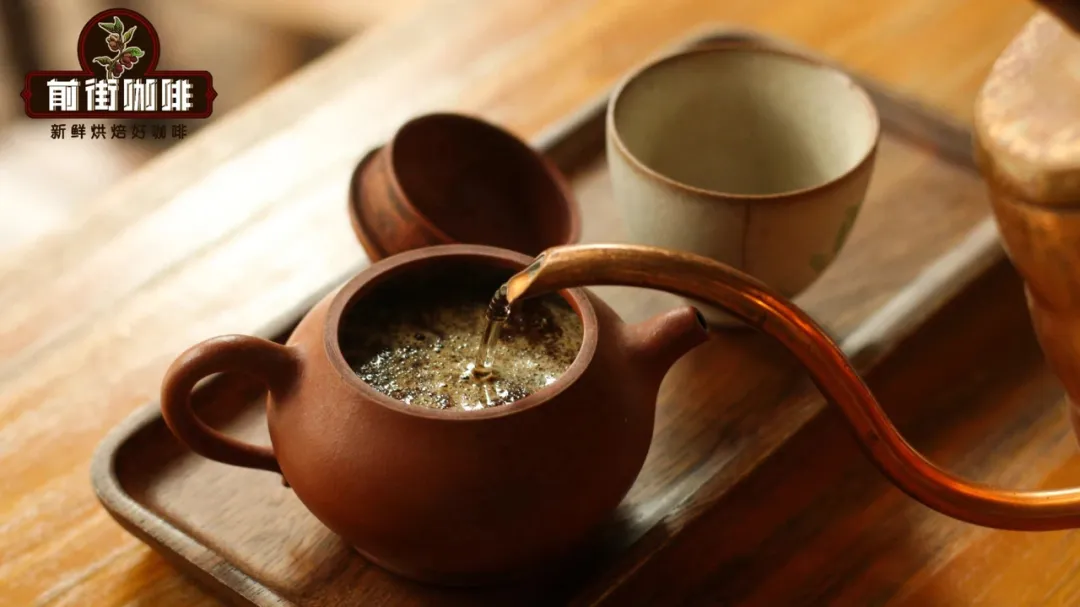
Although the brewing methods for coffee and tea may seem very different, their extraction principles are actually interchangeable. Many regular coffee drinkers might have had this thought: “What would it taste like if I put tea leaves into a coffee machine and extracted them like making an espresso?” In fact, the reason a coffee machine can brew espresso is that it uses high pressure to efficiently dissolve flavor compounds from coffee in a very short time using a small amount of water. Due to the small water volume but high solute content, the resulting coffee liquid is not only highly concentrated but can also serve as the base for various specialty coffee drinks.

So, can tea also achieve a highly concentrated “concentrated tea” through similar high-pressure extraction? The answer is yes, but it is not recommended to directly apply coffee extraction logic. The reason lies in the significant differences in physical properties and chemical reactions between tea leaves and coffee beans. For example, tea leaves rapidly expand when exposed to hot water. If you use the standard coffee machine coffee-to-water ratio and grind size, it’s likely that sufficient pressure won’t build up, leading to insufficient extraction concentration. Therefore, to brew truly robust tea using a coffee machine, adjustments need to be made according to the characteristics of the tea.
Firstly, simply placing tea leaves directly into the coffee portafilter for extraction will almost certainly not yield a highly concentrated tea. The gaps between tea leaves are too large, preventing the coffee machine from generating enough pressure, and the resulting tea may only be slightly more concentrated than traditional brewing methods. To effectively release the flavor compounds from the tea leaves, the first step is to grind the tea thoroughly, increasing its total surface area in contact with water. This principle aligns with Fick’s law of diffusion: the rate at which a substance dissolves is proportional to its contact area with the solvent.
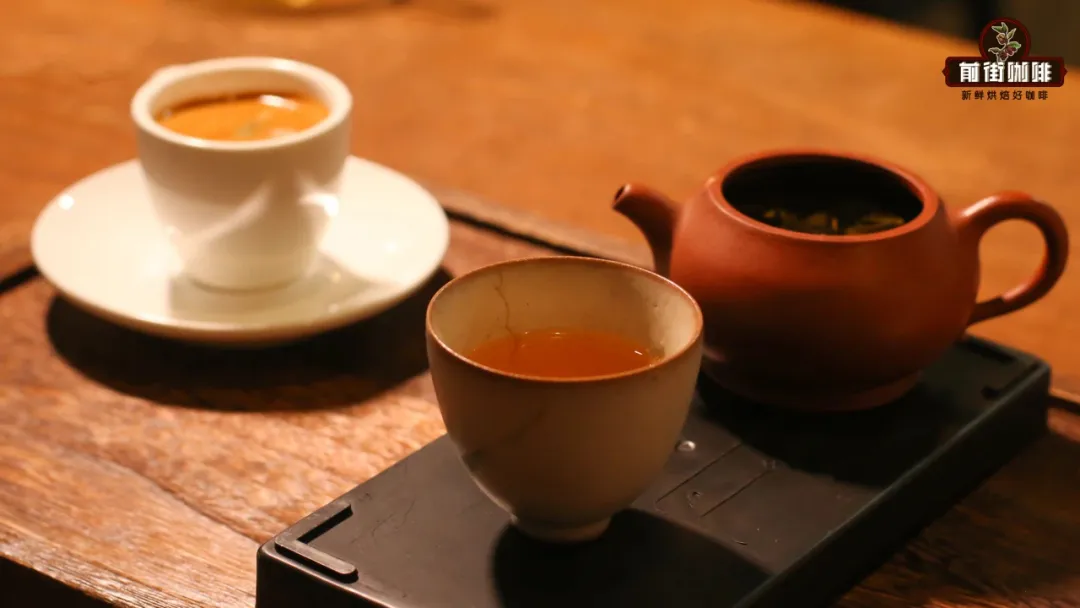
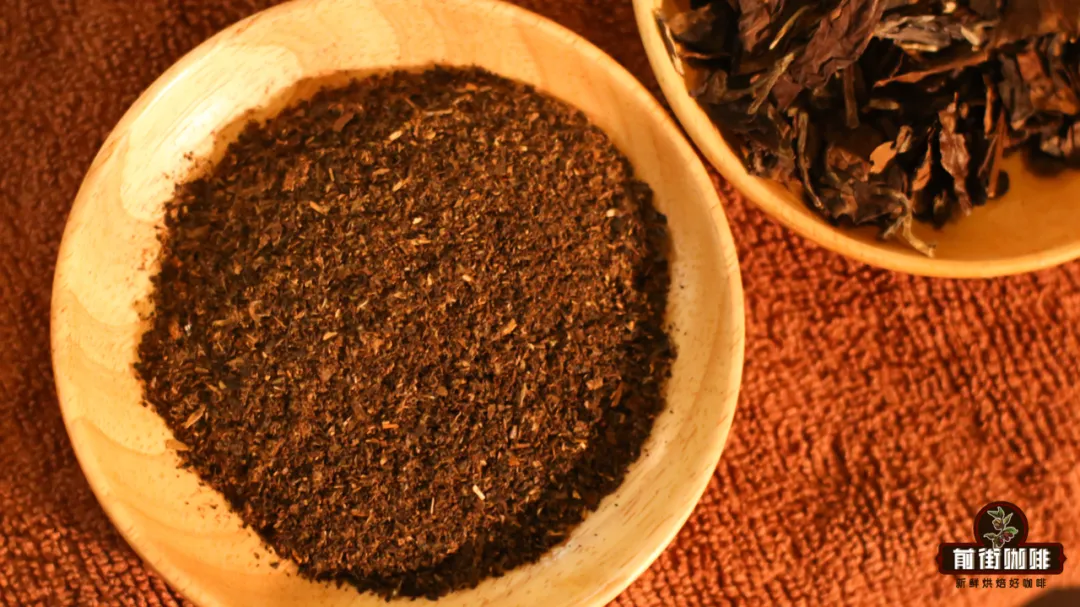
During the industry’s first attempt at this method, the finest grind setting (0) on the EK43 grinder was used, paired with a single-shot portafilter to minimize material waste. For the tea, an available aged white tea from the shop was selected. After grinding 10 grams of tea, it was placed in the portafilter, lightly tamped, and then extracted. The result showed an extremely fast flow rate—less than 20 seconds to extract 100 ml of tea—although the color was darker than typical brewed tea, the overall concentration still did not meet expectations, indicating the grind size needed further adjustment.
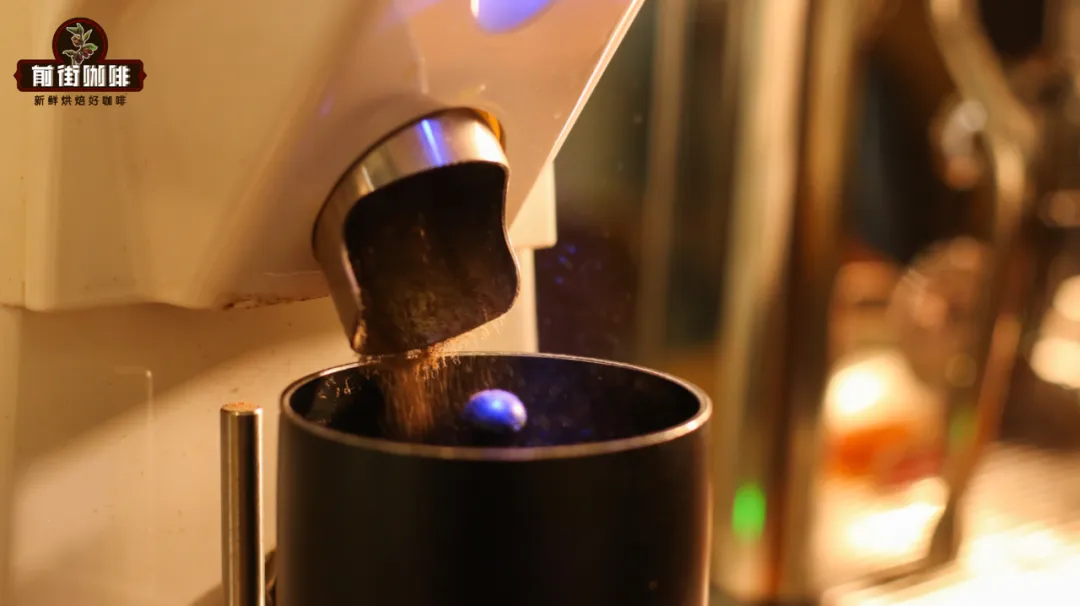
Since 0 is the finest setting on the EK43, the next step was to use a Galileo Q18 espresso grinder, adjusting the grind size to 1.2. However, because tea leaves have a larger flake structure and the intake of espresso grinders is typically designed quite small, some tea leaves couldn’t enter the grinding zone smoothly. The only solution to this issue was to manually crush the tea leaves first and then pour them into the grinder for fine grinding. Although this step increased operational complexity, it did effectively improve the fineness of the tea grind.
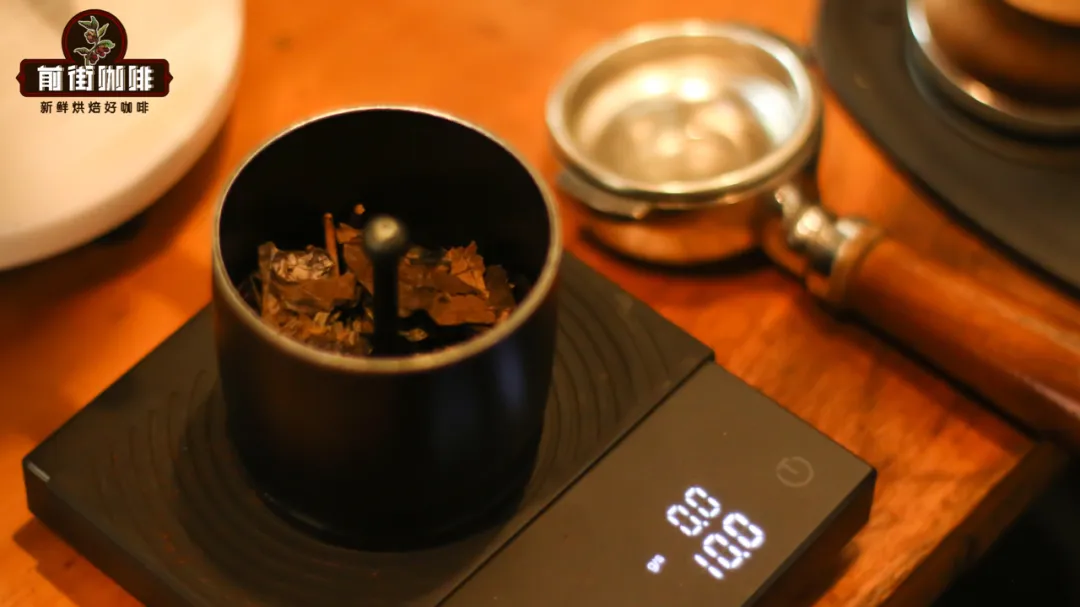
In the second extraction after adjustment, the flow rate was noticeably slower than the first, with the overall extraction time around 30 seconds, maintaining a pressure of about 6 bar, and extracting 100 ml of tea. Although the tea color deepened further, the concentration still didn’t reach the ideal level. Based on experience, it was decided to further refine the grind size by reducing the setting by five notches, switching from a single-shot to a 20-gram double-shot portafilter, and increasing the tea amount to 18 grams. The coffee-to-water ratio used this time was 1:3.5, with a target extraction of 63 ml of tea.

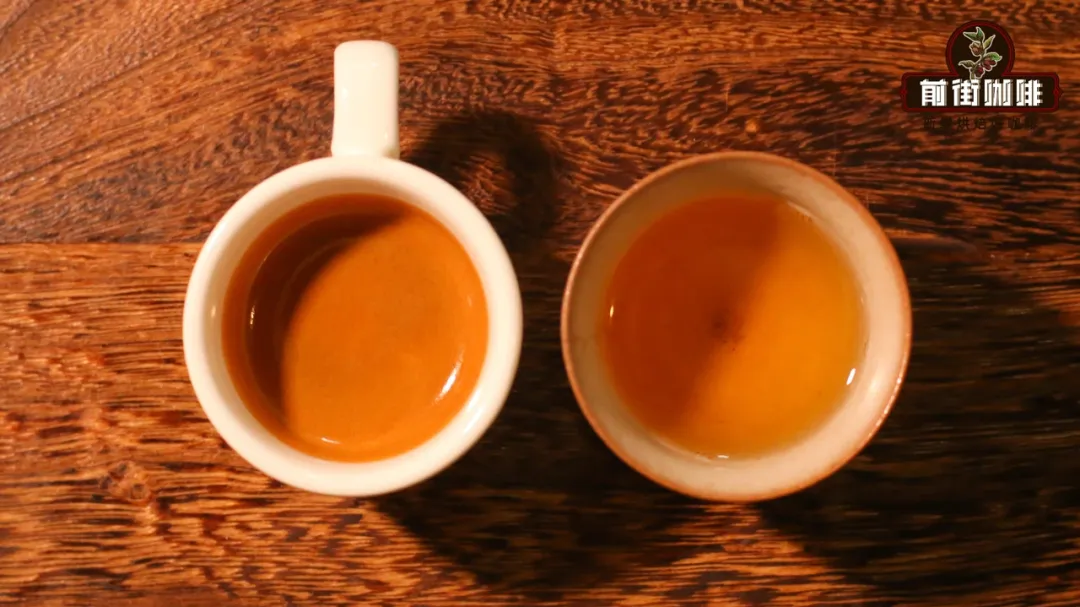
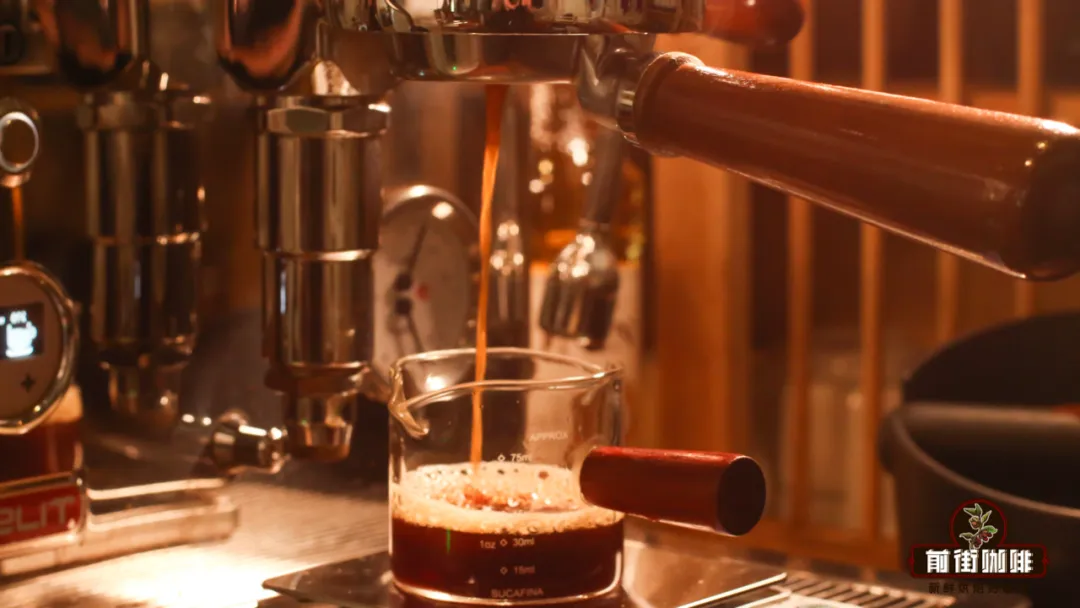
During this extraction, the flow rate significantly slowed, with the pressure gauge showing 10 bar, and visible foam forming on the surface of the coffee bed (similar to crema). As the tea absorbed water and expanded, the flow rate gradually decreased, and the extraction was stopped at approximately 32 seconds, successfully achieving the targeted yield of concentrated tea. Visually, the tea had a deep color and noticeably higher concentration.
After tasting, this highly concentrated tea delivered a pleasant surprise—the intensity was comparable to a standard espresso. Due to the chemical properties of the tea itself, even at high concentrations, it did not exhibit the common sourness or burnt bitterness of coffee, though there may have been slight astringency. The overall balance remained good. To enhance the drinking experience, this concentrated tea was further blended with milk to make a “tea latte” at a ratio of 30 ml tea to 180 ml milk, suitable for both hot and cold. The results showed that the tea flavor remained distinct against the milk, with a rich mouthfeel and harmonious flavor profile.
However, although the coffee machine can indeed brew high-quality concentrated tea, the test also revealed some practical issues. Firstly, cleaning the grinder after grinding tea is quite difficult—tea particles tend to get stuck in the burrs and exit areas, affecting subsequent coffee grinding. Additionally, due to the small particle size of tea fines, some particles can pass through the portafilter, compromising the purity of the final brew. More seriously, the fine holes in the portafilter may become clogged with tea particles, requiring extra time for thorough cleaning. Therefore, unless you’re keen on experimentation and willing to handle the subsequent tedious cleaning, it’s advisable to consider using professional tea brewing tools to avoid unnecessary hassle.
In summary, by adjusting grind size, controlling coffee-to-water ratio and extraction time, a coffee machine can indeed produce a tea with concentration close to that of espresso, with flavor performance that is no less impressive. However, due to the fundamental differences between tea leaves and coffee beans, if you aim to consistently and conveniently produce high-quality concentrated tea, it’s still recommended to use specialized tea brewing equipment—or at least be mentally prepared for the cleaning and operational challenges.
The above content is compiled by CoffeeHunters, a coffee news website.


